By HAN News Desk
JOHANNESBURG / WASHINGTON — South Africa has agreed not to interfere with a controversial U.S. program aimed at resettling white South Africans, despite rejecting claims that they face persecution, according to an internal meeting brief obtained by Reuters.
The commitment was made during a closed-door meeting on Dec. 23, following a sharp escalation in diplomatic tensions between Pretoria and Washington. The tensions intensified after South African authorities raided a U.S.-run refugee registration facility in Johannesburg, briefly detaining American officials and arresting local contractors working with the program.
According to the meeting summary, South African officials told their U.S. counterparts that they strongly reject allegations of a “genocide” against white South Africans, but said they would not obstruct individuals who wish to emigrate, nor would they block the U.S. refugee initiative.
The program was launched under former U.S. President Donald Trump, who largely suspended global refugee admissions while granting special priority to Afrikaners, arguing they face racial discrimination. The South African government has repeatedly dismissed those claims as baseless and misleading.
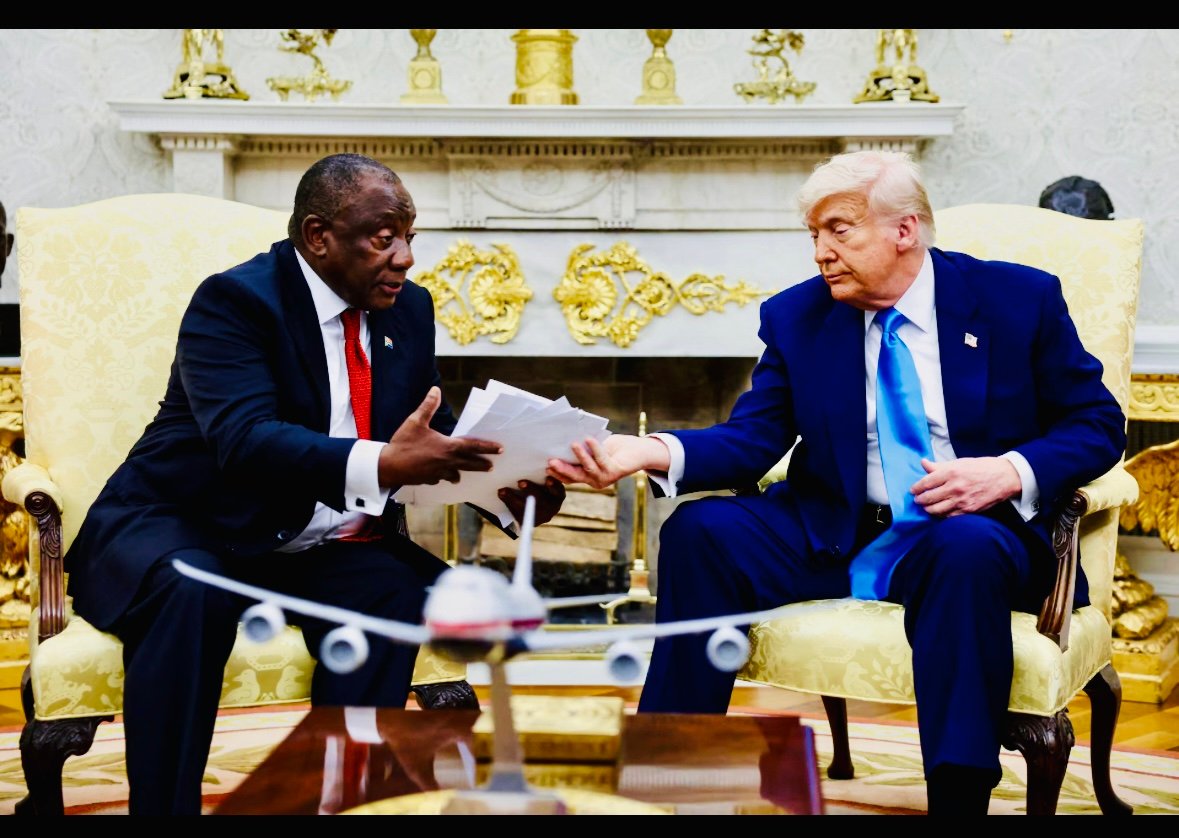
Relations between Washington and Pretoria have deteriorated in recent months, particularly after Trump publicly challenged President Cyril Ramaphosa over the genocide allegations. The dispute deepened further when the United States barred South Africa from participating in upcoming G20 meetings, a move Pretoria described as punitive.
Despite the December raid, the U.S. State Department said refugee processing operations remain ongoing. It added that more Afrikaners arrived in the United States in December than in any previous month, with even higher numbers expected in January.
South Africa’s Department of International Relations and Cooperation, however, denied holding any formal negotiations with Washington regarding the refugee program.
The issue remains politically sensitive, highlighting growing strains between the two countries over race, migration policy, and broader geopolitical disagreements.