By HAN News Desk
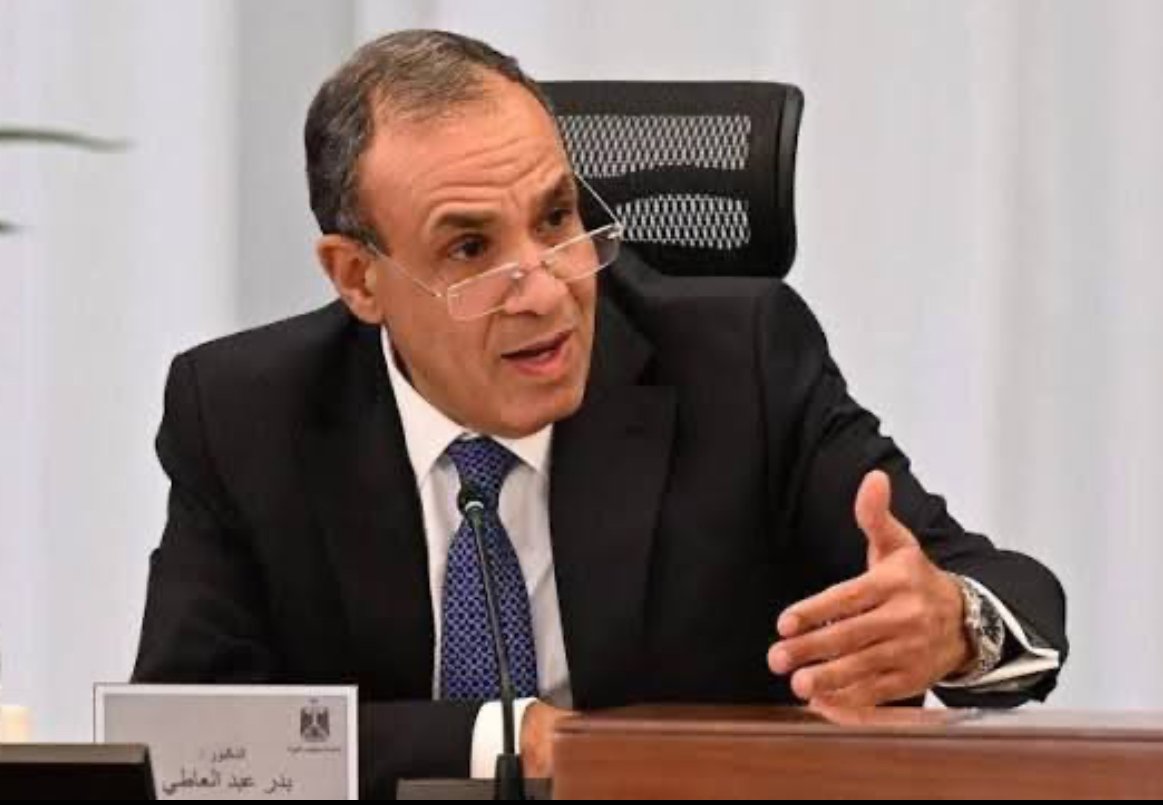
CAIRO — Egypt’s foreign minister, Badr Abdel Ati, has reiterated Cairo’s firm rejection of any unilateral recognition of Somaliland or any other territory as separate from the Federal Republic of Somalia, warning that such a move would pose a serious threat to regional and international peace and security.
Speaking during recent diplomatic engagements, Abdel Ati stressed that Egypt’s position is grounded in respect for Somalia’s sovereignty, unity, and territorial integrity, principles he said are enshrined in international law and the African Union’s foundational frameworks.
He cautioned that attempts to alter Somalia’s political status without the consent of its federal government could further destabilize the Horn of Africa, a region already facing complex security and humanitarian challenges.
Egypt’s stance aligns with a growing international consensus supporting Somalia’s federal government, as Mogadishu continues to rally diplomatic backing against efforts to recognize Somaliland outside a negotiated national process. Somali officials have repeatedly argued that any recognition without federal approval undermines ongoing state-building efforts and risks reigniting political tensions.
According to diplomatic sources, Cairo has conveyed its concerns to regional and international partners, emphasizing that external involvement in Somalia’s internal affairs — particularly initiatives perceived to be linked to Israeli diplomatic or strategic interests — could escalate geopolitical rivalries in the Red Sea and Horn of Africa corridors.
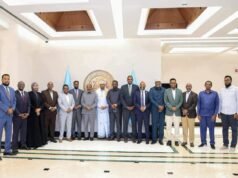
The issue was also addressed during a recent high-level meeting of Muslim-majority countries held in Saudi Arabia, where participating states jointly rejected any move by the United States, Israel, or other actors to recognize Somaliland independently. The meeting reaffirmed collective support for Somalia’s internationally recognized government and called for adherence to United Nations resolutions affirming Somalia’s territorial unity.
Analysts say the coordinated response from Arab and Muslim nations reflects heightened concern over the strategic importance of the Horn of Africa, particularly amid competition over maritime routes, ports, and military access along the Red Sea and Gulf of Aden.
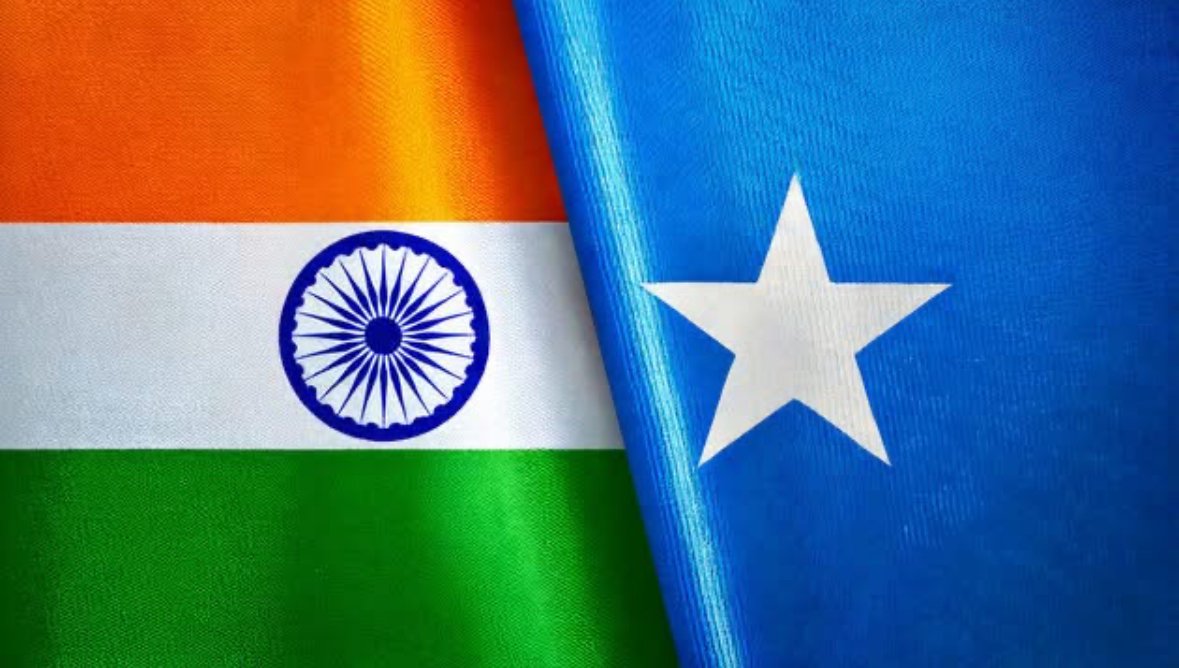
For Somalia’s federal government, the developments mark what officials describe as a significant diplomatic gain. In recent months, Mogadishu has intensified its engagement with regional blocs, the African Union, and key international partners to counter any recognition initiatives targeting Somaliland.
While Somaliland has maintained de facto self-rule since 1991, it has not received formal international recognition. Successive Somali governments have insisted that the issue must be resolved through inclusive dialogue within a unified Somali state, rather than through unilateral declarations or external endorsements.
Diplomatic observers note that the firm stance taken by Egypt and other allies is likely to further complicate any near-term prospects for international recognition of Somaliland, reinforcing the prevailing global position that Somalia’s future must be determined through constitutional and political processes agreed upon by Somalis themselves.