By HAN News Desk
MOGADISHU — Turkey and Somalia have significantly expanded their security and defense cooperation in recent years, strengthening Ankara’s role as a key military partner to the Horn of Africa nation as regional competition intensifies.
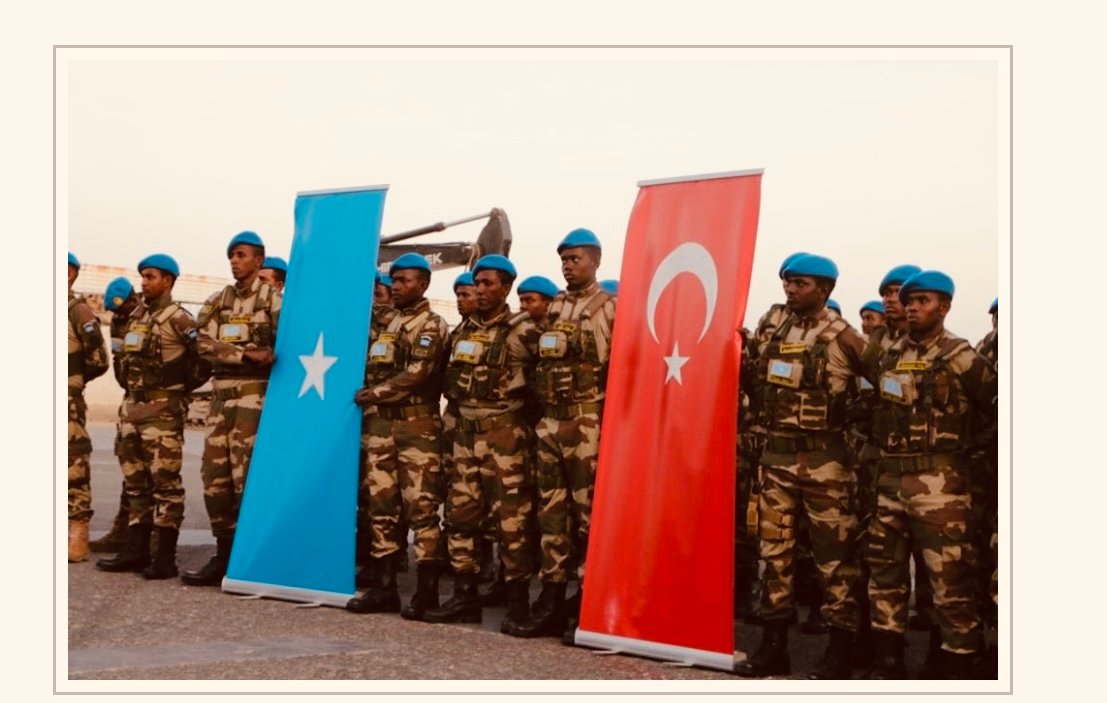
Turkey has operated a long-term military training facility in Mogadishu — Camp TURKSOM — since 2017. The base serves as Ankara’s largest overseas military installation and is used to train Somali national forces, including elite units, under a bilateral defense agreement aimed at rebuilding Somalia’s security institutions after decades of conflict.
In February 2024, the two governments signed a 10-year defense and economic cooperation framework, formalizing Turkey’s role in modernizing Somalia’s armed forces and enhancing maritime security. The agreement includes provisions that could enable Turkey to help equip and train a Somali navy capable of protecting the country’s extensive exclusive economic zone and enforcing sovereignty over its territorial waters.
The deepening partnership comes as geopolitical competition increases across the Horn of Africa and the Red Sea corridor, a region critical to global trade. Analysts say Turkey’s growing interest in northeastern Somalia reflects its strategic focus on securing shipping routes through the Gulf of Aden, as well as countering the expanding influence of other regional and international powers.
Turkey has also extended its naval deployments in the Gulf of Aden and surrounding waters, citing ongoing threats from piracy, arms smuggling, and organized maritime crime.
The Somali federal government has not publicly disclosed the scope or number of additional Turkish military facilities planned outside Mogadishu. Neither Ankara nor Mogadishu has formally confirmed reports of base construction in Laasqoray or Xudun, towns located in Somalia’s northern regions. However, local officials and regional media outlets say defense infrastructure work has accelerated in Puntland-administered areas, with Turkish military engineers involved.
The expansion of cooperation takes place amid persistent security challenges in Somalia. Islamist militant groups, including al-Shabab and Islamic State affiliates, continue to operate in remote and sparsely populated regions. Somali forces, backed by international partners, have carried out joint operations aimed at dismantling insurgent networks and restoring stability, though attacks remain a regular threat.
Turkish officials say their long-term engagement is intended to support Somalia’s federal government in building a professional, self-sustaining national army and strengthening state institutions. Beyond defense, Ankara and Mogadishu have discussed broader infrastructure cooperation, including coastal facilities and potential high-technology projects along Somalia’s eastern coastline.
As Turkey broadens its security role, analysts say the partnership is likely to influence regional power dynamics and highlights Somalia’s growing strategic importance along the Red Sea–Indian Ocean corridor.