By HAN News Desk
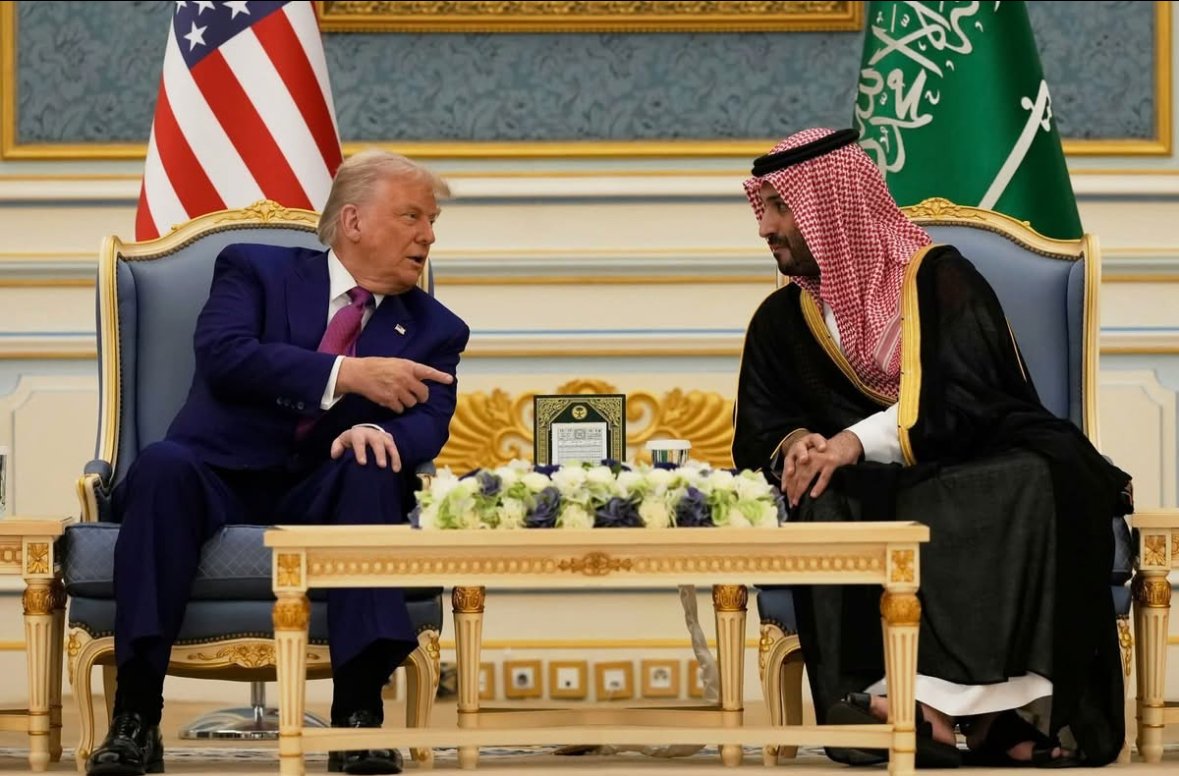
WASHINGTON — The United States has approved a major arms sale to Saudi Arabia valued at approximately $9 billion, including more than 730 Patriot Advanced Capability-3 (PAC-3) air defense missiles, in a move aimed at strengthening the kingdom’s ability to counter aerial threats and reinforce regional security partnerships.
U.S. officials said the sale, cleared through the Foreign Military Sales (FMS) program, is being fast-tracked for implementation. The Patriot system is among the most advanced air and missile defense platforms in the world, designed to intercept ballistic missiles, cruise missiles, aircraft, and drones.
Saudi Arabia has faced repeated aerial threats in recent years, particularly from missile and drone attacks launched from Yemen by Houthi forces. Critical infrastructure, including oil facilities, airports, and major cities, have been targeted, prompting Riyadh to invest heavily in modernizing and expanding its air defense shield. The PAC-3 interceptor missiles are specifically designed to defeat incoming ballistic threats at high altitude and speed, making them a key component in layered air defense strategies used by U.S. allies worldwide. Defense analysts say the delivery of such a large number of interceptors signals Saudi Arabia’s intention to significantly expand its defensive coverage across strategic regions of the country.
Washington views the deal as part of its broader effort to bolster the security of Gulf allies amid escalating regional instability. The United States maintains long-standing defense partnerships with Gulf states and sees advanced air defense cooperation as essential to protecting shared strategic interests, including maritime security, energy infrastructure, and regional stability. The Pentagon has repeatedly emphasized the importance of integrated air and missile defense networks among U.S. partners in the Middle East to counter evolving threats from both state and non-state actors.
The arms sale comes at a time of increasing political and strategic rivalry within the Gulf region, particularly between Saudi Arabia and the United Arab Emirates. While both nations remain key U.S. partners and cooperate on many security issues, tensions have surfaced in recent years over regional influence, foreign policy approaches, and economic competition. Observers note that both Riyadh and Abu Dhabi have significantly expanded their military procurement programs and pursued new regional alliances, reflecting a broader competition for leadership and influence in the Gulf and wider Middle East.
Security experts warn that the acceleration of arms acquisitions by Gulf states could intensify an already active arms race in the region. Neighboring countries may feel compelled to upgrade their own defense capabilities in response, potentially altering the military balance across the Middle East. At the same time, proponents argue that enhanced air defense systems serve primarily as deterrents, aimed at preventing attacks rather than enabling offensive operations.
The approval of the Patriot missile sale underscores how the Gulf remains a central arena for strategic military cooperation between the United States and its allies, even as geopolitical rivalries and security challenges continue to evolve.