By HAN News Desk
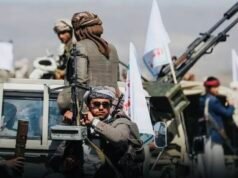
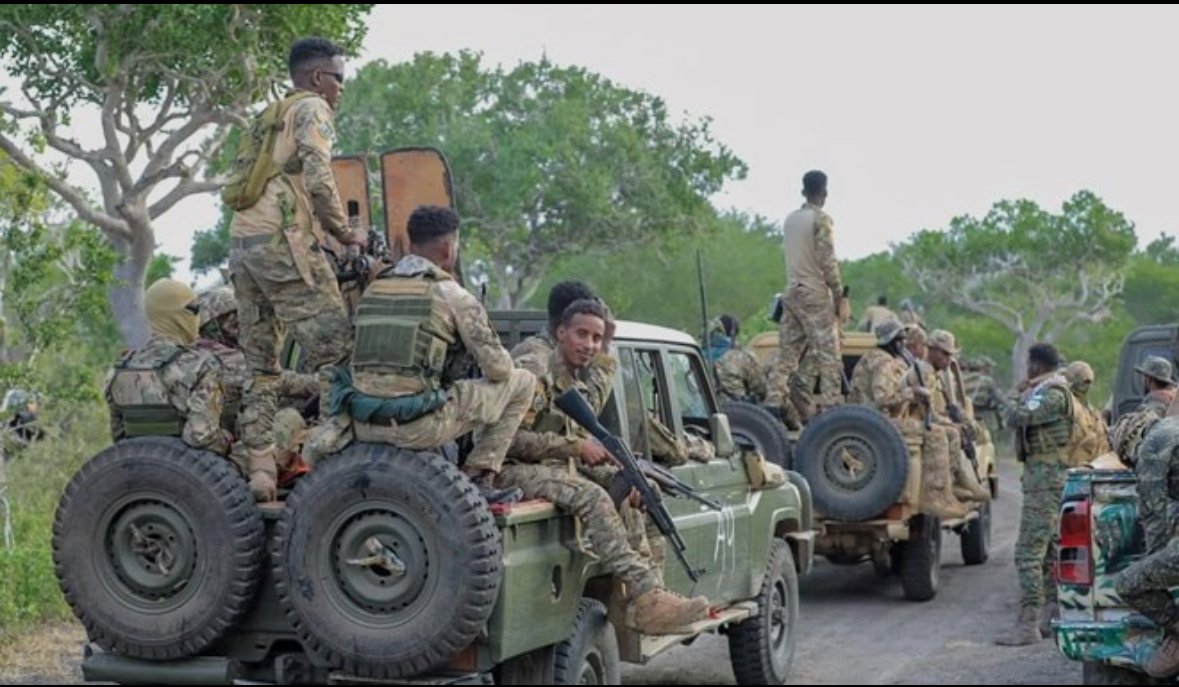
MOGADISHU — Somalia has intensified its long-running campaign against al-Shabab, the al-Qaida-linked insurgent group that has destabilized the country for nearly two decades. Backed by expanded U.S. airstrikes and intelligence support, Somali forces say they have regained territory, disrupted bomb-making networks, and targeted senior militant leaders.
The renewed push comes at a pivotal moment. As the African Union Transition Mission in Somalia (ATMIS) steadily draws down, Somali authorities are assuming primary responsibility for national security. The success—or failure—of this transition will shape the country’s stability for years to come.
How Somalia Reached This Point
Al-Shabab emerged in the mid-2000s as the militant wing of the Islamic Courts Union before formally aligning with al-Qaeda. At its peak, the group controlled large swaths of southern and central Somalia, including parts of the capital, Mogadishu.]
African Union peacekeepers pushed the group out of Mogadishu in 2011. But al-Shabab adapted, shifting to asymmetric tactics: suicide bombings, guerrilla attacks, assassinations, and extortion networks that continue to generate millions of dollars annually, according to U.N. monitors.
U.S. involvement has also evolved. Airstrikes have been ongoing for more than a decade. In 2020, President Donald Trump ordered most U.S. troops withdrawn from Somalia. In 2022, President Joe Biden redeployed forces, restoring a sustained advisory and counterterrorism presence.
Retaking Territory
Somali officials report gains in Lower Shabelle, Hiiraan, Middle Shabelle, and parts of Jubbaland—areas that had served as militant strongholds for years.
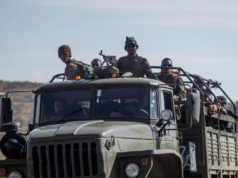
Operations have involved Somalia’s elite, U.S.-trained Danab special forces and regional Darawiish units. Authorities say dozens of fighters have been killed and key infrastructure seized, though independent verification remains difficult due to restricted access to contested zones.
While al-Shabab has not publicly confirmed the losses, analysts caution that territorial control in rural Somalia remains fluid.
The U.S. Role and the Airpower Shift
U.S. Africa Command, known as United States Africa Command (AFRICOM), conducts coordinated precision strikes targeting al-Shabab leaders, training camps, and weapons facilities.
Somali officials say recent operations destroyed improvised explosive device (IED) factories and neutralized vehicle-borne bombs before deployment. Expanded drone surveillance has improved intelligence gathering, allowing forces to identify underground hideouts and supply routes that were previously difficult to reach.
Security analysts argue that sustained airpower has shifted the battlefield dynamic. Previously, government and insurgent forces were more evenly matched in ground capabilities. Persistent surveillance and precision strikes now give Somali forces a strategic edge, especially around Mogadishu, where al-Shabab continues to stage bombings.
However, U.S. strikes have faced criticism from human rights groups over civilian casualties. AFRICOM says it investigates allegations and assesses risks before conducting operations.
A Critical Transition
The offensive coincides with the gradual withdrawal of African Union peacekeepers. As ATMIS reduces its footprint, Somali forces must fill the security vacuum.
This transition heightens the importance of air support and intelligence coordination with international partners. At the same time, Somalia faces overlapping pressures: prolonged drought linked to climate change, political friction between federal and regional authorities, and funding shortages affecting both security and humanitarian operations.
Experts warn that battlefield gains alone are insufficient. In past offensives, al-Shabab regained territory after government forces failed to establish sustained governance and public services.
What Comes Next?
Somali officials say operations will continue, combining military offensives with reconstruction efforts in reclaimed areas. Plans include rebuilding homes and restoring aid to prevent al-Shabab from exploiting grievances or reestablishing control.