By HAN News Desk
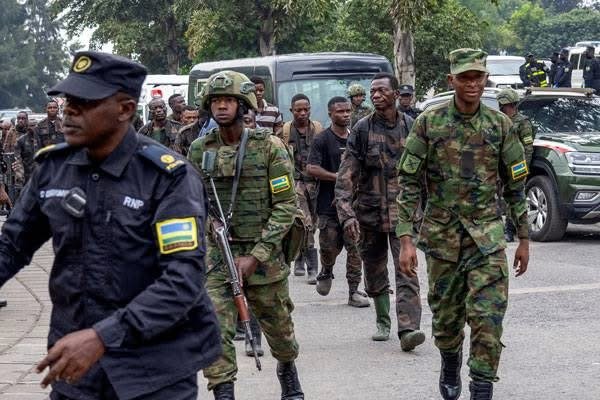
KIGALI — The United States has imposed sanctions on the Rwanda Defence Force (RDF) and four of its senior officials, accusing them of supporting the rebel group known as the March 23 Movement in the eastern Democratic Republic of the Congo.
In a statement, the U.S. Department of the Treasury said its Office of Foreign Assets Control (OFAC) had designated the RDF and its officials for sanctions after determining that the Rwandan military had been “actively supporting, training, and fighting alongside” the M23. The rebel movement is already under sanctions from the United States and the United Nations over alleged human rights violations and its role in a major humanitarian crisis in eastern Congo.
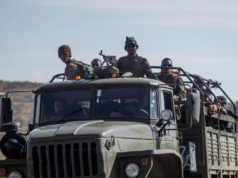
According to the U.S. Treasury, the sanctions target what it described as Rwanda’s involvement in the conflict, including the alleged deployment of troops and military equipment across the border into eastern Congo. Washington says such actions have contributed to the armed group’s territorial advances, including the capture of strategic towns, border areas, and mining zones that are vital to the region’s economy.
The eastern DRC has long been plagued by armed conflict involving multiple militias and rebel movements. The resurgence of the M23 rebellion has displaced hundreds of thousands of civilians and intensified insecurity around key cities such as Goma, a major commercial and humanitarian hub near the Rwandan border.
Under the sanctions, any assets linked to the designated individuals or entities within U.S. jurisdiction will be frozen, and American citizens and companies are generally prohibited from engaging in transactions with them. The measures are part of broader U.S. efforts to pressure parties involved in the conflict to halt violence and engage in diplomatic solutions.
However, the Government of Rwanda swiftly rejected the allegations. In a statement released late Monday, authorities in Kigali described the sanctions as unfair, arguing that they present a distorted picture of the complex conflict in eastern Congo.
Rwanda said that targeting only one side in the peace process undermines ongoing diplomatic efforts and ignores the broader security concerns affecting the region, including cross-border threats and the presence of armed groups hostile to Rwanda operating inside the DRC.
The latest sanctions come amid growing international concern about the escalating crisis in eastern Congo and the risk of a wider regional conflict involving neighboring countries. Diplomatic initiatives led by regional organizations and African mediators have sought to ease tensions between Rwanda and the DRC, but progress has remained fragile.
Analysts say the dispute reflects deeper geopolitical tensions in the Great Lakes region, where issues such as ethnic rivalries, competition over natural resources, and historical grievances continue to fuel instability.
Despite the sanctions and diplomatic tensions, both Washington and regional leaders have called for renewed dialogue, ceasefire agreements, and increased humanitarian assistance for civilians affected by the fighting in eastern Congo.