By HAN News Desk
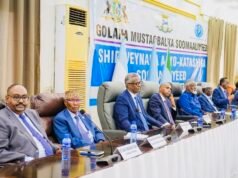
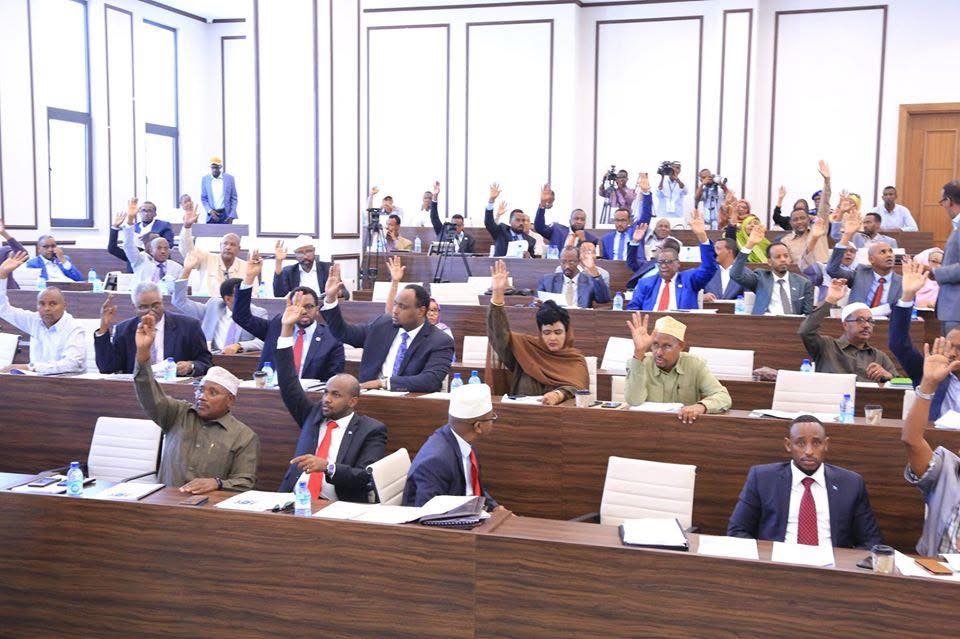
MOGADISHU — Attention this morning is focused on the session of the House of the People of Somalia, where lawmakers are expected to debate the provisional constitution, a central issue that has intensified political tensions in the country.
If the constitution is approved, it would represent a major political victory for the Federal Government of Somalia, reinforcing its authority over the federal system and advancing long-delayed constitutional reforms. Conversely, if the parliamentary session is canceled or postponed, opposition groups and some regional leaders could claim a political win, potentially undermining the government’s reform agenda and casting doubt on the future of the constitutional process.
The debate comes amid growing concerns about Somalia’s fragile political landscape. Analysts say the provisional constitution is central to resolving disputes over federalism, the powers of regional states, and governance structures. Disagreements between the federal government and semi-autonomous regions, particularly Puntland and Jubaland, have fueled tensions in recent months, with regional administrations calling for greater input into constitutional reforms.
Observers say the coming hours will be critical, with political leaders, regional representatives, and the Somali public closely monitoring developments. Security has been stepped up around the parliament building and nearby hotels housing lawmakers, reflecting concerns about potential unrest.
Meanwhile, most media outlets in Mogadishu have refrained from providing live coverage of the parliamentary session. Reports indicate that the decision followed a late-night meeting between senior federal government officials and local media organizations, during which broadcasters were reportedly instructed to limit or avoid live reporting of the proceedings. Some journalists expressed concern that such restrictions could reduce transparency and limit public access to information on key political decisions.
Political analysts warn that the outcome of today’s session could set the tone for Somalia’s governance in the coming years. Approval of the constitution could pave the way for further reforms, including clarification of state powers, election timelines, and mechanisms for federal-regional cooperation. A delay or failure, however, could exacerbate political divisions and stall the country’s reform agenda at a critical time.
As lawmakers prepare to convene, the eyes of the nation—and the international community—are on Mogadishu, where the vote could signal either progress toward stable governance or further political gridlock.