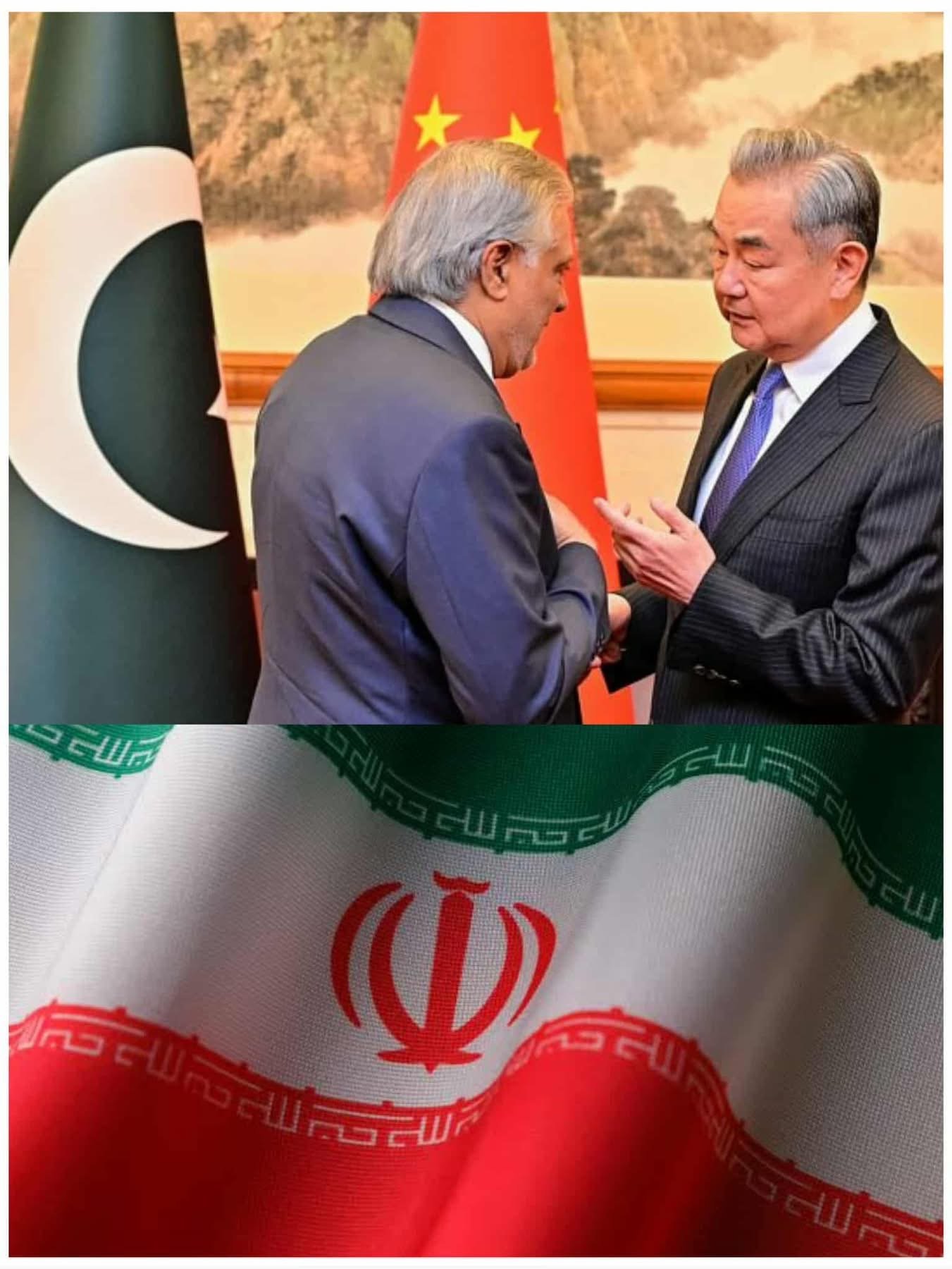
China and Pakistan have jointly unveiled a comprehensive five‑point peace initiative aimed at ending the ongoing war involving Iran and preventing further escalation across the Middle East.
The initiative — announced after high‑level talks in Beijing on March 31 — calls for an immediate ceasefire, the resumption of diplomatic negotiations, humanitarian access, protection of civilians and infrastructure, and the reopening of the strategic Strait of Hormuz to ensure safe passage for maritime traffic and global energy supplies.
The plan was presented by China’s Foreign Minister Wang Yi and Pakistan’s Deputy Prime Minister and Foreign Minister Senator Mohammad Ishaq Dar, reflecting growing international concern over a conflict that has now entered its fifth week. Both officials stressed that dialogue and diplomacy remain the only viable routes to de‑escalation and long‑term stability in the region.
Under the initiative’s five points, Beijing and Islamabad call for:
- The immediate cessation of hostilities and efforts to prevent the conflict from spreading.
- The start of peace talks as soon as possible, with respect for the sovereignty, territorial integrity and security of Iran and Gulf states.
- Protection of non‑military targets and civilians, with parties urged to halt attacks on critical infrastructure such as energy and nuclear facilities.
- Security of shipping lanes, particularly the Strait of Hormuz, a crucial conduit for global oil and gas exports.
- Upholding the primacy of the United Nations Charter and international law, with support for a comprehensive peace framework.
The Strait of Hormuz, which has seen restricted traffic since the outbreak of hostilities, remains a focal point of the proposal. Ensuring normal navigation through the waterway is seen as essential for stabilizing global energy markets and preventing further disruptions to trade.
China has framed the initiative as a mediation effort to create a diplomatic “window” for talks between the United States and Iran, as hostilities continue and concerns grow over broader regional spillover. Beijing has highlighted that any peaceful solution must be anchored in negotiation rather than force.
Analysts say the proposal underscores both countries’ interests in preventing the conflict from undermining regional security and global economic stability, even as the immediate impact on ongoing hostilities remains uncertain.