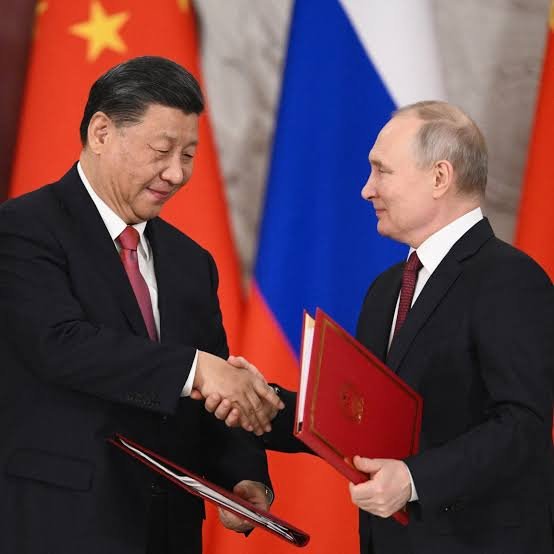
MOSCOW/BEIJING/BRUSSELS — Russia’s reported plan to shift future oil and gas transactions with Europe into Chinese yuan is drawing global attention, with analysts warning it could accelerate a gradual rebalancing of financial power away from the U.S. dollar
.
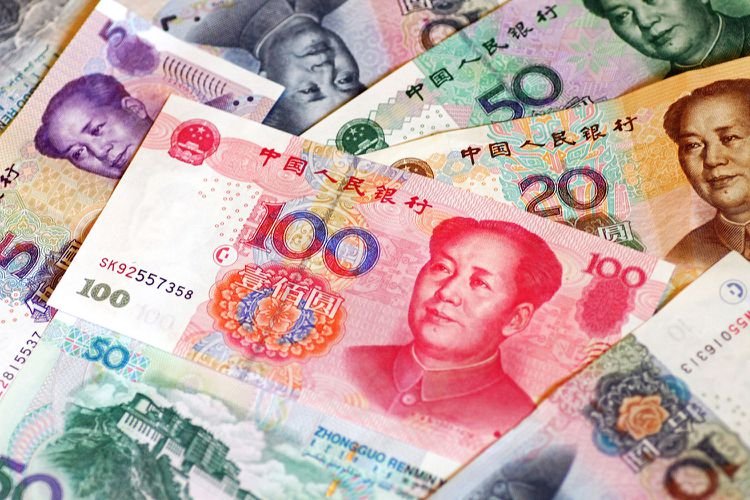
The proposal, if implemented, would deepen Moscow’s economic partnership with China and further embed the yuan in global commodity markets traditionally dominated by the U.S. currency. Officials in both countries have in recent years promoted closer financial cooperation, particularly after Western sanctions limited Russia’s access to dollar-based systems.
Energy analysts say the move reflects a broader effort by Russia to “de-dollarize” its trade, reducing exposure to Western financial restrictions. Since the escalation of the Russia-Ukraine conflict, Russian exports have increasingly been redirected toward Asian markets, with China emerging as a key buyer.
In Brussels, policymakers reacted cautiously. European nations have already taken steps to cut reliance on Russian energy, turning instead to alternative suppliers and renewable sources. As a result, some experts question the immediate impact of the proposed currency shift on Europe’s overall energy mix.
“While symbolically significant, the real economic effect may be limited in the short term,” said one Europe-based energy economist. “The bigger story is the long-term trend—countries exploring alternatives to the dollar in trade settlement.”
In Beijing, the development is likely to be viewed as a strategic gain. Expanding the use of the yuan in international trade has been a long-standing goal for China, which aims to strengthen its financial independence and global influence.
Meanwhile, in Washington, D.C., officials have not formally responded, but economists note that the U.S. dollar remains dominant due to its deep financial markets, stability, and global trust. Even so, repeated efforts by major economies to bypass the dollar could gradually erode that dominance over time.
Market reactions were muted in early trading, reflecting uncertainty over whether the proposal will be fully implemented and adopted at scale. Traders pointed to logistical challenges, currency volatility, and existing contracts as potential obstacles.
Despite these uncertainties, analysts agree the announcement highlights a shifting geopolitical landscape—one in which financial systems, energy markets, and global alliances are increasingly intertwined.