The United States has expressed growing concern over the potential exposure of its advanced military technology following reports that Iran downed several aircraft and drones during recent tensions in the Middle East.
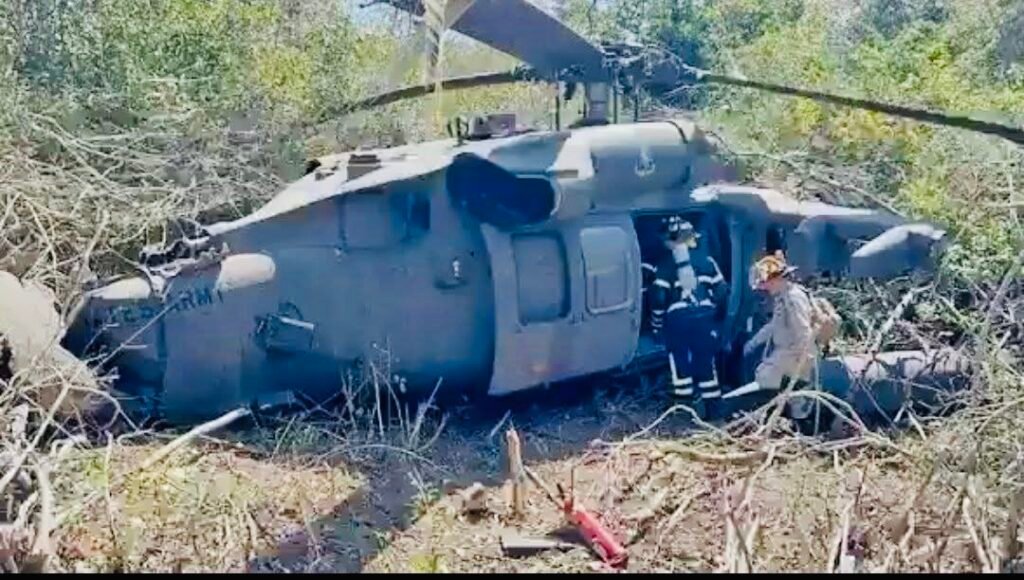
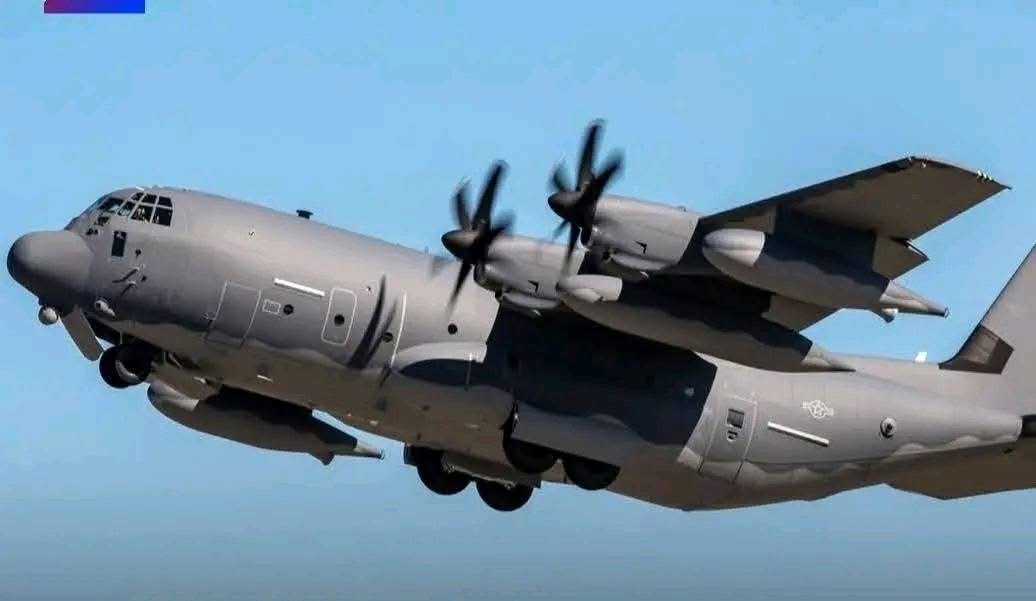
According to media reports, the incidents involved high-value platforms such as the F-15 Eagle, F/A-18 Hornet and A-10 Thunderbolt II, along with numerous unmanned aerial vehicles (UAVs), some of which reportedly fell within Iranian territory.
US officials are said to be more concerned about the possible compromise of sensitive technology than the material losses themselves, as recovered components could provide valuable intelligence on US defense capabilities. “The concern is not only about the hardware but the technology embedded in it,” said a senior defense analyst speaking on condition of anonymity.
There are also fears that recovered technology could eventually be accessed by rival powers such as China and Russia, potentially accelerating their military advancements and narrowing the technological gap with the United States.
While the exact number of aircraft and drones involved remains unclear, analysts suggest that the incidents mark a significant moment in the ongoing drone and aerial technology competition in the region.
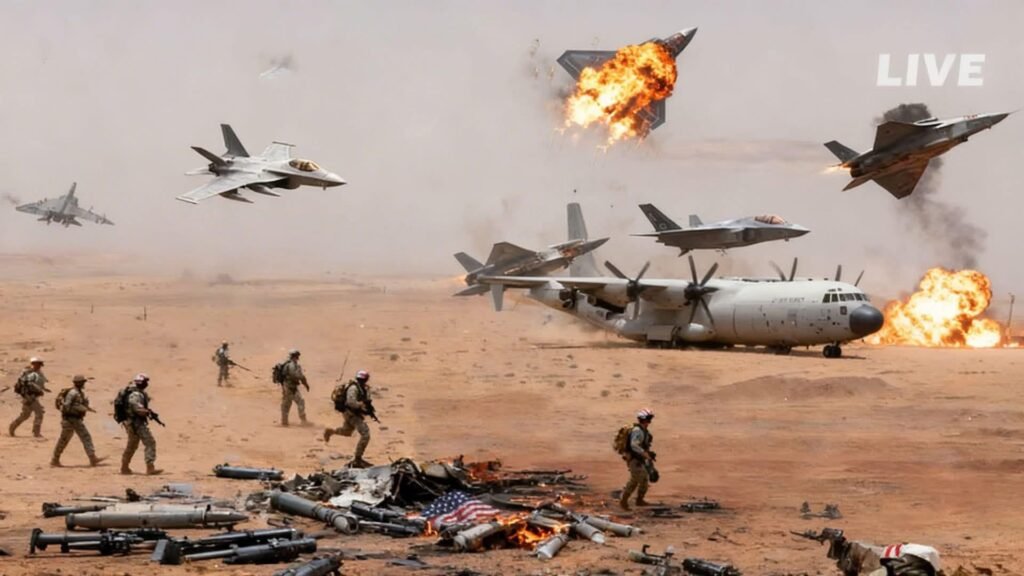
Iran has steadily increased its capabilities in unmanned aerial systems, with previous reports indicating that the country has successfully captured or downed foreign drones in prior conflicts. Experts warn that such operations not only bolster Iran’s strategic leverage but also provide an opportunity to study and reverse-engineer advanced technology.
There has been no official confirmation from United States or Iran regarding the scale of losses, leaving much of the information based on unverified media reports.
The developments underscore the growing importance of safeguarding military technology in modern conflicts, where technological superiority and intelligence gathering can have decisive strategic implications. Observers say the incidents could prompt Washington to review security protocols, particularly in regions where advanced weapons systems are deployed close to potential adversaries.