
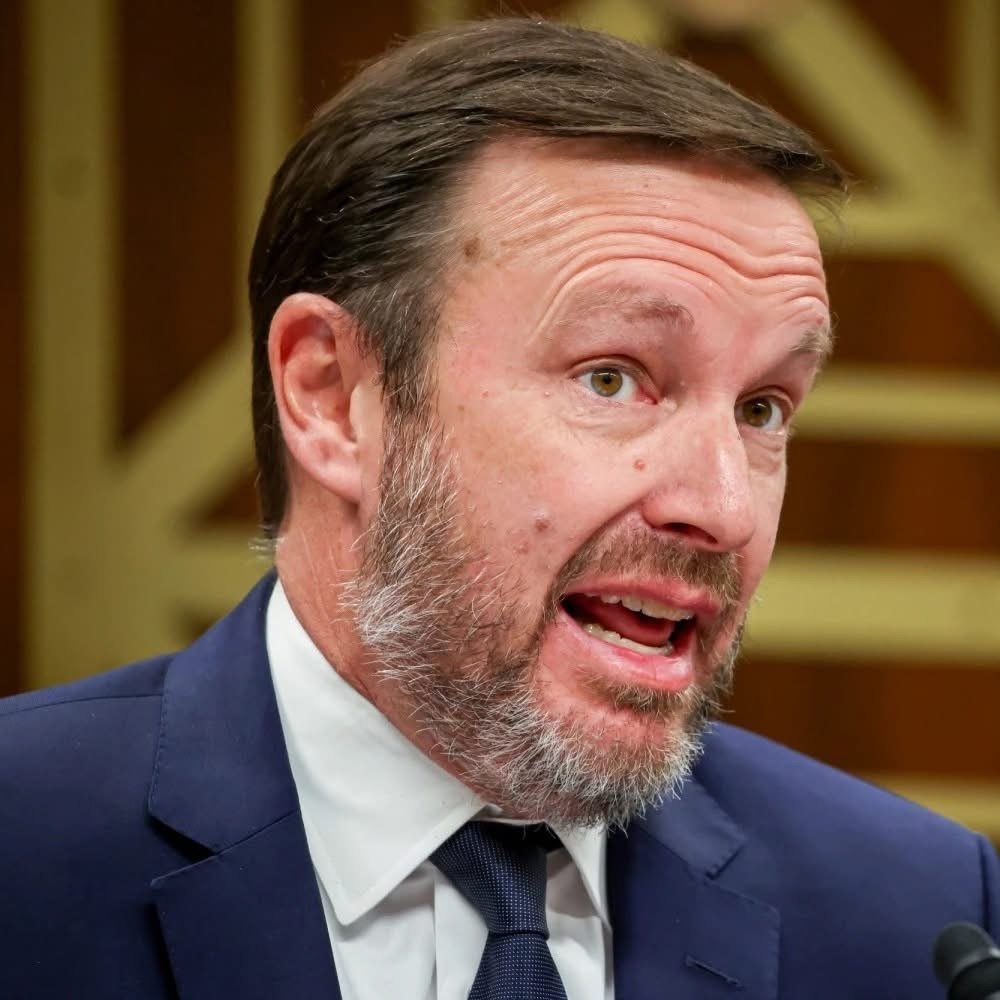
WASHINGTON — Chris Murphy has sharply criticized a reported ceasefire framework involving Donald Trump and Iran, arguing that the proposed terms amount to a strategic setback for Washington.
Speaking in reaction to the emerging details of the agreement, Murphy said the deal effectively concedes major leverage to Tehran, including influence over the strategic Strait of Hormuz — a vital global oil transit route.
“Trump has handed Iran control over Hormuz, allowed it to advance its nuclear programme, lifted all sanctions, and permitted it to retain its missile, drone and nuclear capabilities,” Murphy said, in remarks that underscore growing political divisions in Washington over the deal.
The criticism comes as details of the proposed arrangement suggest sweeping concessions, including the reopening of the Strait of Hormuz under new terms, the easing or removal of U.S. sanctions, and a halt to hostilities across multiple fronts in the region.
Supporters of the framework argue that the measures could prevent a broader regional war and stabilize global energy markets, which have been under pressure due to disruptions in Gulf shipping lanes.
However, critics like Murphy warn that such concessions could embolden Iran and shift the balance of power in the Middle East, particularly if Tehran retains its military and technological capabilities without significant restrictions.
Analysts say the debate reflects a deeper strategic question: whether the initial escalation — including threats of military action — was intended to pressure Iran into negotiations, or whether it has resulted in unintended concessions.
While proponents view the ceasefire as a pragmatic step toward de-escalation, opponents argue it raises questions about the effectiveness of the earlier hardline approach.
The developments highlight the fragile nature of the current diplomatic efforts, with uncertainty remaining over whether the proposed terms will lead to a lasting settlement or further geopolitical tensions.