ADDIS ABABA — Somalia has officially joined the African Union Peace and Security Council (AUPSC) for the first time since the body’s creation in 2003, a move that analysts say reflects the country’s post-conflict progress and growing diplomatic influence in Africa.
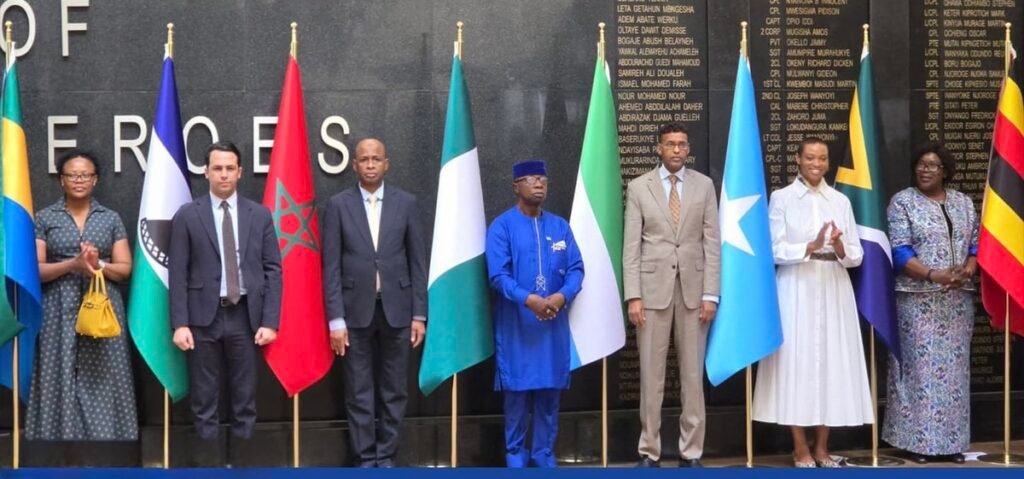
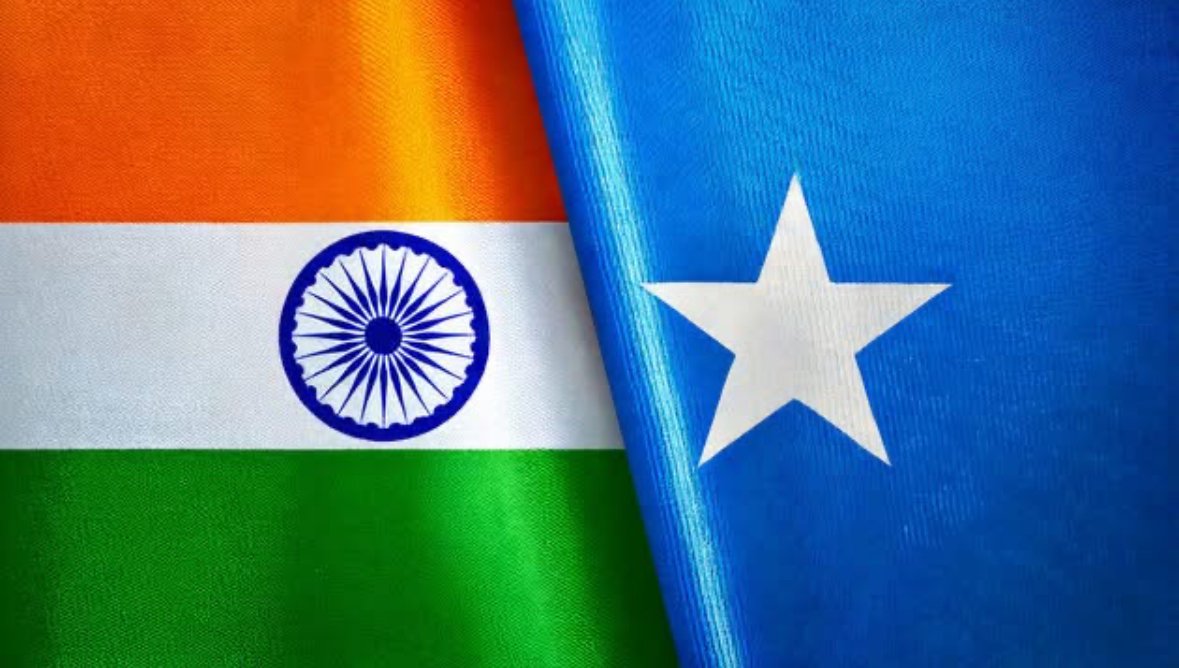
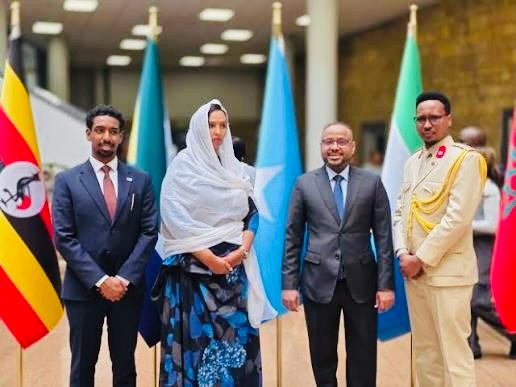
Somalia’s Ambassador to Ethiopia and the AU, Abdullahi Warfaa, formally raised the national flag at the council headquarters on Tuesday, symbolizing the country’s assumption of its responsibilities for the 2026–2028 term. Government officials described the event as a historic moment that strengthens Somalia’s international standing.
“Joining the AU Peace and Security Council is a significant milestone for Somalia. It enhances our voice in shaping Africa’s peace and security policies and reflects the trust of African nations in our progress and leadership,” Ambassador Warfaa said.
Elected to the 15-member council in February 2026, Somalia has outlined key priorities, including conflict prevention, peacebuilding and reconciliation, counterterrorism cooperation, and post-conflict recovery initiatives across Africa. The AU Peace and Security Council serves as the union’s main decision-making body on security matters, overseeing peace support operations, implementing sanctions where necessary, and coordinating collective responses to crises across the continent.
Somalia’s membership comes at a critical juncture. After decades of civil war, the collapse of central government in 1991, and ongoing threats from armed groups including Al-Shabaab, the country has been steadily rebuilding national institutions and strengthening security forces. In recent years, Somalia has also taken an active role in regional peace initiatives in the Horn of Africa, participating in mediation efforts in neighboring countries and contributing to AU-led security operations.
Government officials hailed the AU appointment as recognition of Somalia’s progress in stabilizing internal security and engaging constructively in regional and international affairs. Analysts say the move also signals growing confidence in Somalia’s leadership and its ability to participate in high-level decision-making on continental security issues.
“This is not just a symbolic achievement,” said Fatuma Ali, a regional security analyst based in Nairobi. “Somalia now has a platform to influence key decisions affecting peace and security across Africa. It can advocate for support in counterterrorism, post-conflict recovery, and regional stability, which will have direct benefits for its own reconstruction efforts.”
Somalia’s tenure on the council coincides with ongoing efforts to strengthen governance and economic development at home. The country has been investing in rebuilding institutions, enhancing its security sector, and improving public services. Observers note that its active role in the AU could also help attract international investment and humanitarian support.
Regional experts say Somalia’s presence on the council could have a stabilizing effect on the Horn of Africa, a region that has historically been affected by conflict, political instability, and cross-border tensions. By participating in the AU’s security and peace processes, Somalia has the opportunity to contribute to collective efforts to prevent conflicts and manage crises that affect multiple countries in the region.
“The AU Peace and Security Council is a platform where Somalia can translate its domestic gains into regional influence,” said Michael Omondi, a Horn of Africa affairs specialist. “It also demonstrates to the international community that Somalia is taking responsibility for its security and playing a constructive role in continental affairs.”
Somalia’s membership is expected to last until 2028, during which time the country will work alongside other council members to shape policies, monitor conflicts, and oversee peace operations. Analysts say that this step not only marks a diplomatic achievement for Somalia but also represents a broader shift in Africa’s perception of the country—from a nation long associated with conflict to one increasingly recognized for its recovery, resilience, and leadership potential.