MOGADISHU — Somalia is fast becoming a key gateway for Turkey’s expanding footprint in Africa, as a once humanitarian-focused relationship evolves into a broad strategic partnership spanning security, infrastructure and energy.
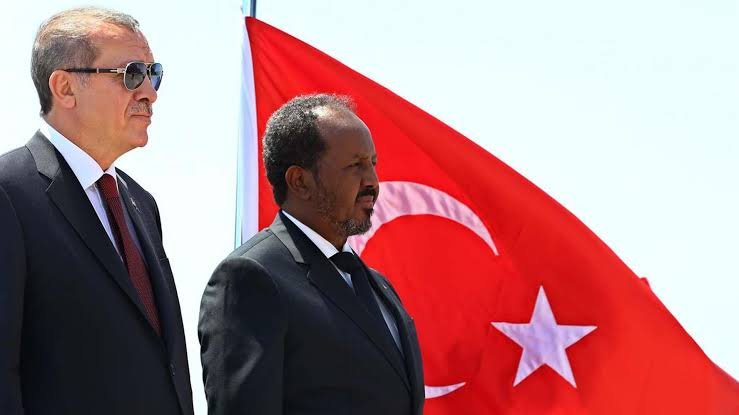
Ties between the two countries date back to the Ottoman era but were revitalised in 2011 when then–prime minister Recep Tayyip Erdogan made a landmark visit to Mogadishu at the height of a devastating famine across the Horn of Africa.
The trip — the first by a non-African leader in decades — helped galvanise international attention on Somalia’s crisis and marked the start of what Ankara describes as its largest overseas humanitarian operation.
Since then, Turkey has invested more than $2 billion in Somalia, funding major infrastructure, healthcare and development projects. These include the construction of roads and hospitals, as well as the rehabilitation of key port facilities aimed at boosting trade and economic recovery.
A central pillar of the partnership has been security cooperation. Turkey established its largest overseas military base, Camp TURKSOM, in Mogadishu, where it has trained thousands of Somali troops in an effort to rebuild the country’s armed forces after decades of conflict.
Under President Hassan Sheikh Mohamud, Somalia has stepped up military operations against Islamist militants, contributing to a relatively improved security environment that officials say is beginning to attract foreign investment.
Energy has emerged as a new frontier in the relationship.
Somalia is believed to possess between 30 billion and 50 billion barrels of untapped oil and gas reserves, placing it among potentially significant future producers. At the same time, the country continues to lose an estimated $500 million annually to illegal fishing, underscoring the economic stakes tied to control of its vast coastline.
Recent agreements between Ankara and Mogadishu aim to deepen cooperation in maritime security, with a memorandum of understanding covering the protection of Somali waters and enforcement of maritime law over the next decade.
The deal comes amid rising regional tensions over access to Somalia’s coastline and maritime resources.
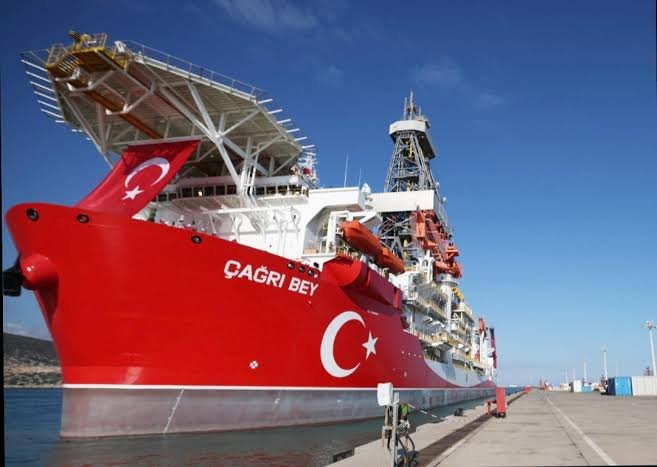
Turkey has already moved beyond seismic surveys and is positioning itself for possible offshore drilling and production. Analysts say Ankara could play a major role across the entire energy value chain, from extraction to distribution and marketing.
For Turkey, the partnership offers a chance to diversify energy sources and reduce dependence on imports. For Somalia, it represents an opportunity to transform its economy and emerge as a player in global energy markets.
Strategically located along shipping routes linking the Red Sea, the Indian Ocean and the Gulf of Aden, Somalia’s coastline has taken on growing importance in global trade and security calculations.
Turkey’s expanding presence in the Horn of Africa also reflects broader geopolitical competition, including rivalry with Gulf states such as the United Arab Emirates.
Despite challenges, Somali officials describe the evolving partnership as the beginning of a new chapter.
“This cooperation is not only about aid anymore,” a senior Somali official said on condition of anonymity. “It is about long-term development, security and Somalia taking its place in the global economy.”
As Ankara deepens its engagement, Somalia’s leadership hopes the alliance will help accelerate recovery after decades of instability — and position the country as a strategic hub connecting Africa to global markets.