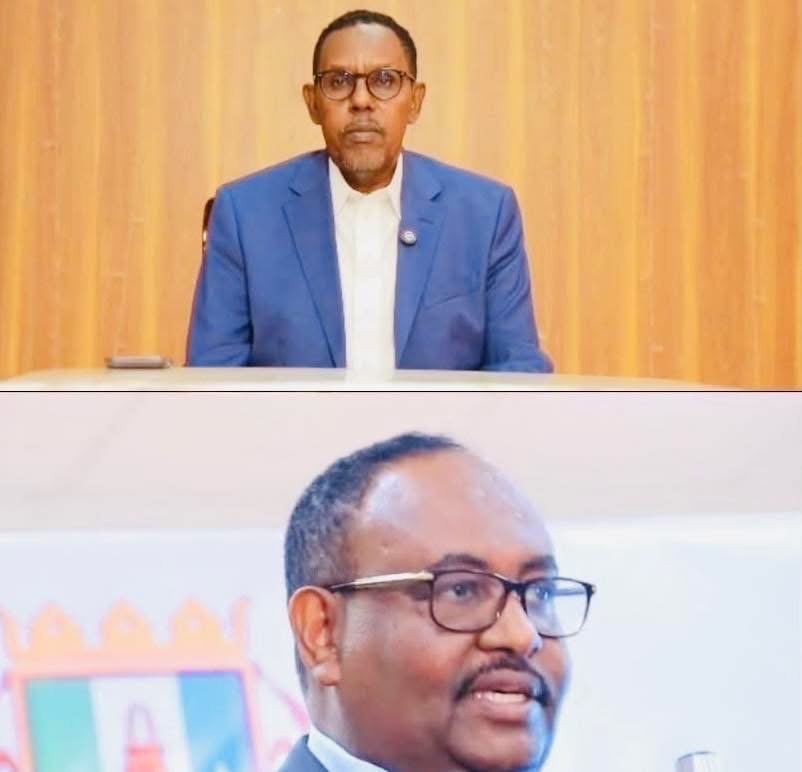
MOGADISHU — Growing criticism of Puntland leader Said Abdullahi Deni is shedding light on deeper governance challenges and political tensions within one of Somalia’s most historically stable federal member states.
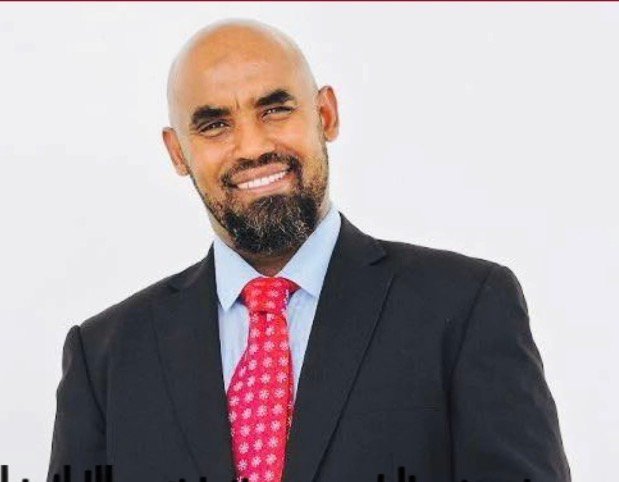
Recent remarks by Somali politician Shoortaaye have reignited debate about the direction of Puntland’s leadership. Once regarded as a model of relative stability and administrative functionality in Somalia, Puntland is now facing mounting scrutiny over allegations of corruption, weak governance, and institutional decline.
Shoortaaye accused President Deni’s administration of presiding over a period marked by deteriorating public services and declining confidence in state institutions. He pointed to delayed or unpaid salaries for security forces and civil servants as a key indicator of systemic dysfunction — a problem that analysts say can have serious implications for security and governance in fragile states.
“Puntland used to play a leading role in Somalia’s governance, but today it is being weakened by poor leadership and ineffective policies,” Shoortaaye said in remarks aired by Radio Daljir.
Beyond financial challenges, the criticism highlights concerns over accountability and transparency. Allegations of rising corruption under the current administration have further fueled perceptions of declining governance standards, although Puntland authorities have not publicly responded to these claims.
At the same time, political tensions between Puntland and Somalia’s Federal Government appear to be intensifying. Observers note that such disputes are not new, but the current friction reflects broader disagreements over power-sharing, federalism, and political authority.
Former Puntland Finance Minister Hassan Shire Abgaal offered a more personalized interpretation of the conflict, suggesting it is less about institutional differences and more about leadership dynamics.
“This conflict is not specific to Puntland, but is particularly focused on Deni,” he said, implying that the standoff may be driven more by individual political positions than systemic issues.
Analysts warn that the combination of internal governance challenges and strained relations with the federal government could have long-term consequences for Puntland’s political stability. While the region has historically maintained a degree of autonomy and resilience, prolonged tensions risk undermining both its administrative capacity and its role within Somalia’s federal framework.
For many observers, the situation raises broader questions about leadership accountability and the sustainability of governance structures in Somalia’s federal member states. Whether Puntland can navigate these challenges without further instability may depend on its ability to address internal concerns while managing its relationship with Mogadishu. Make into short headlines