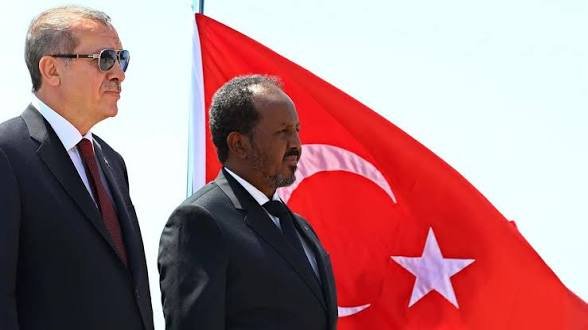
ANKARA/MOGADISHU – Turkey has approved a $30 million assistance package for Somalia’s security institutions, alongside a proposed land agreement in Ankara that has triggered political controversy within Turkey’s opposition, according to official publications and parliamentary documents.
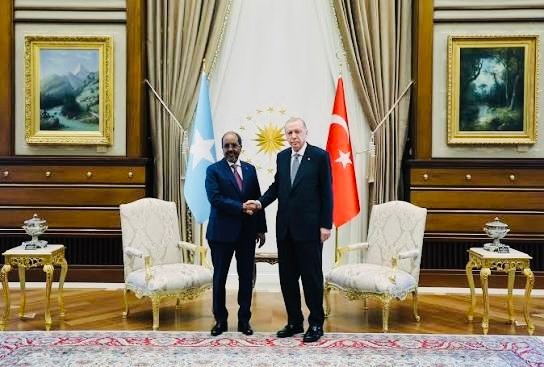
The financial support, formally published in Turkey’s official gazette and signed by President Recep Tayyip Erdoğan, is intended to strengthen Somalia’s security sector, including capacity building for state institutions and security agencies.
In a parallel agreement expected to be submitted to the Turkish parliament next week, Somalia is set to receive a 5,000-square-metre plot of land in Ankara. The arrangement also includes plans for the construction of a new Somali embassy building on an adjacent 3,000-square-metre site, according to details circulating in Turkish legislative records.
The initiative is part of Ankara’s long-standing diplomatic and development engagement with Mogadishu, which has expanded significantly over the past decade through military training cooperation, infrastructure projects, and humanitarian assistance.
However, the proposed land allocation has sparked criticism from opposition figures in Turkey, who accuse President Erdoğan’s administration of granting state assets abroad without sufficient domestic consultation. Critics argue that Turkish public resources, including tax revenues and state-owned land, are being used to benefit foreign governments.
Government supporters, on the other hand, defend the move as a strategic investment in strengthening bilateral relations with Somalia, a country they describe as a key partner in the Horn of Africa region.
The Somali government has not yet issued an official statement on the latest developments, but relations between the two countries have historically been close, with Turkey operating one of its largest overseas embassies in Mogadishu and maintaining a significant military training base in the capital.
Analysts say the latest agreements reflect Ankara’s continued efforts to deepen its geopolitical footprint in East Africa, while also reinforcing Somalia’s institutional capacity amid ongoing security challenges.