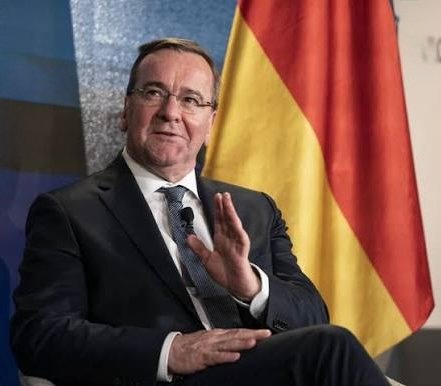
BERLIN — Comments by German Defense Minister Boris Pistorius have crystallized a growing strategic reality across Europe: the era of unquestioned reliance on the United States as the continent’s primary security guarantor may be gradually drawing to a close.
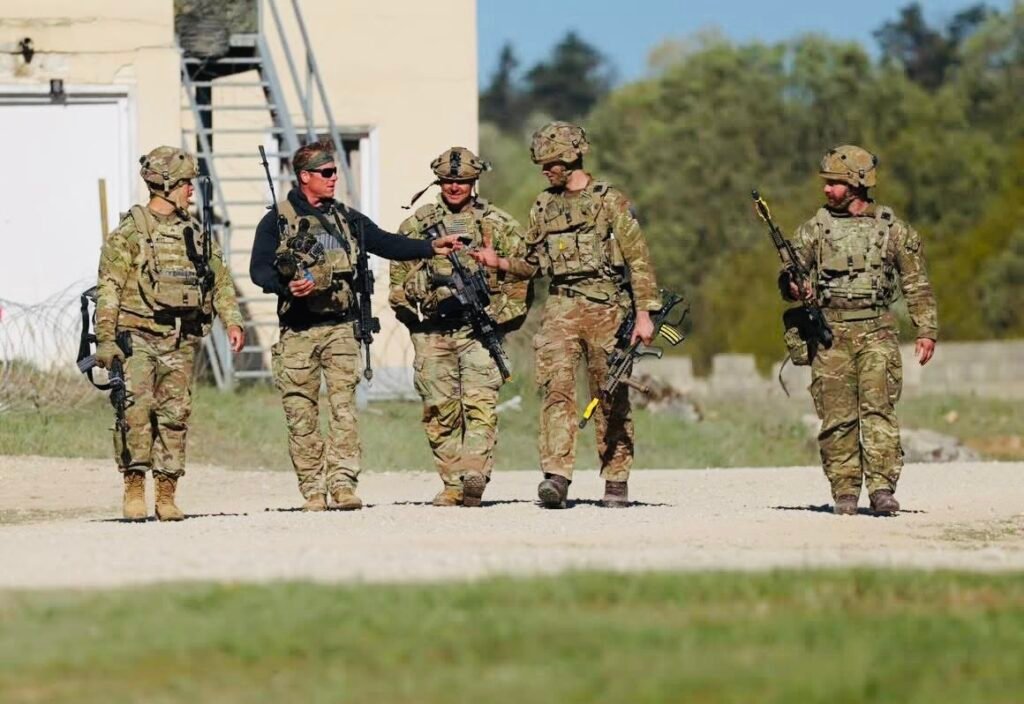
The immediate catalyst is Washington’s reported plan to withdraw approximately 5,000 troops from Germany in the coming months. While troop rotations and adjustments are not new, the move signals something more consequential—a steady recalibration of U.S. global military priorities that could redefine the foundations of transatlantic security.
For decades, Germany has functioned as the central pillar of the American military presence in Europe, hosting around 40,000 U.S. troops and serving as a logistical and operational hub within NATO. From command structures to rapid deployment capabilities, this footprint has enabled not only European defense but also broader U.S. power projection into Africa, the Middle East, and beyond.
Yet the proposed drawdown reflects a longer-term strategic shift in Washington—one driven by the need for greater flexibility, rising geopolitical competition elsewhere, and persistent calls for burden-sharing among allies. Successive U.S. administrations have signaled that Europe must assume a more proportional role in its own defense, turning a long-standing political demand into an increasingly operational reality.
Against this backdrop, Pistorius has framed Germany’s response as both necessary and overdue. His assertion that Berlin is “on the right track” points to a series of corrective measures: expanding the Bundeswehr, accelerating procurement cycles, and modernizing long-neglected military infrastructure. These efforts mark a departure from decades of underinvestment that had left Germany—Europe’s largest economy—militarily constrained.
However, the minister’s remarks also carry a broader strategic warning. While reaffirming that a continued U.S. presence remains mutually beneficial, he implicitly acknowledged that its scale and permanence can no longer be taken for granted. This dual messaging—confidence in the alliance coupled with preparation for its evolution—captures the central dilemma facing European policymakers.
From a strategic perspective, the troop reduction is less about immediate vulnerability and more about long-term adaptation. The United States is not abandoning Europe; rather, it is redefining the terms of engagement, encouraging a transition from dependency to a more balanced partnership within NATO.
For Europe, however, this transition presents formidable challenges. Achieving meaningful strategic autonomy will require sustained increases in defense spending, deeper military integration among EU member states, and—perhaps most difficult—political consensus on shared security priorities. Historically, these elements have proven uneven and, at times, elusive.
At the same time, even a limited reduction in U.S. forces carries symbolic weight. In a security environment shaped by ongoing geopolitical tensions, perceptions matter. Any visible shift in American commitment could test the credibility of deterrence and expose gaps in Europe’s readiness to act independently.
What is emerging, therefore, is not a rupture in transatlantic relations, but a structural transformation. The traditional model—anchored in overwhelming U.S. military dominance and European dependence—is gradually giving way to a more reciprocal framework.
Whether Europe can seize this moment to build lasting strategic capacity remains uncertain. What is clear is that the decisions now unfolding—in Washington, Berlin, and across European capitals—will shape not only the future of NATO, but the broader architecture of global security in the years ahead.