JUBA — The African Union envoy to South Sudan has warned that excessive reliance on external actors risks undermining Africa’s ability to resolve its own conflicts, even as international partnerships remain critical to fragile peace processes.
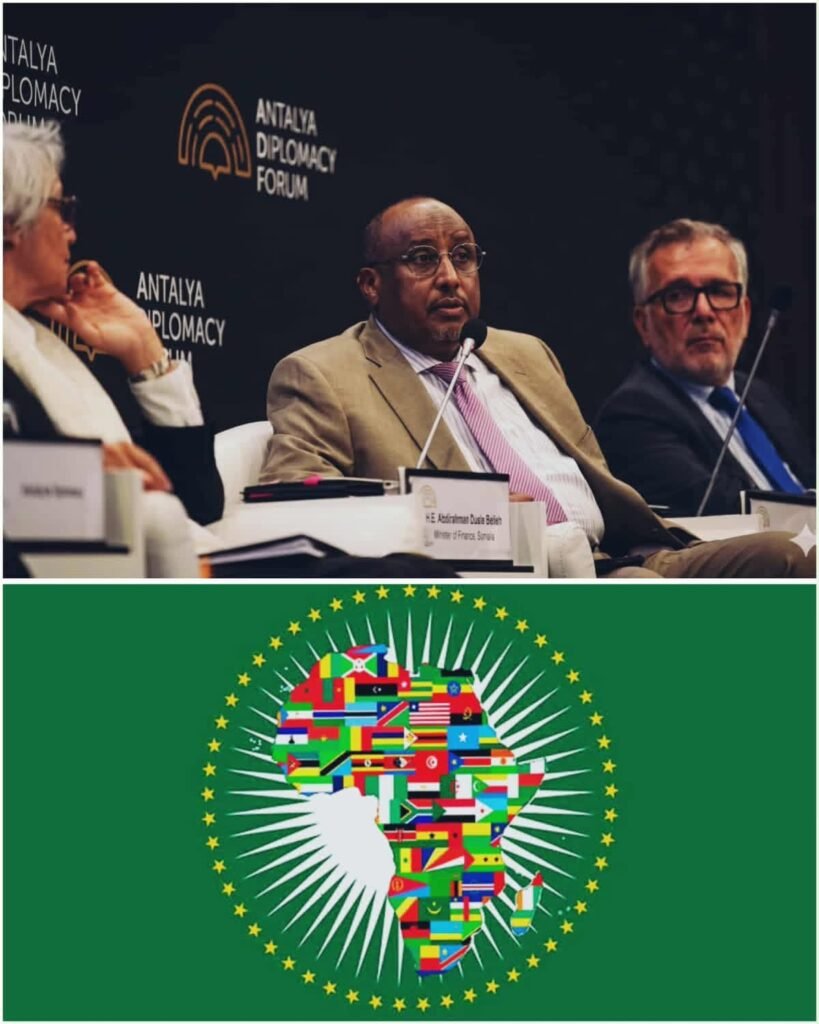
In remarks highlighting both the benefits and limits of foreign engagement, Dr. Abdiweli Mohamed Ali Gaas said South Sudan exemplifies the complexities of multi-layered intervention, where global and regional bodies operate side by side.
“There is a three-way cooperation framework involving the United Nations, the African Union, and Intergovernmental Authority on Development,” Dr. Gaas said. “It is a positive model in many respects, but it can also generate misunderstandings.”
South Sudan, the world’s youngest nation, has struggled to emerge from years of civil war since gaining independence in 2011. A series of peace agreements — backed heavily by international actors — have sought to end fighting between forces loyal to President Salva Kiir and rival factions led by Vice President Riek Machar.
The United Nations maintains a large peacekeeping mission in the country, while IGAD has played a central mediating role in brokering ceasefires and political settlements. The African Union, for its part, has supported accountability initiatives and broader continental diplomatic efforts.
Dr. Gaas said such overlapping mandates can at times lead to friction, particularly when institutions differ in strategy, timelines or political priorities.
“Each organisation comes with its own perspective and interests,” he noted. “Without strong coordination, these differences can slow down implementation or create confusion on the ground.”
Analysts say the challenge is not unique to South Sudan but reflects a broader pattern across conflict-affected states in Africa, where international involvement is often both indispensable and problematic.
While external support provides funding, technical expertise and diplomatic leverage, critics argue that it can weaken domestic ownership of peace processes and foster long-term dependency.
Dr. Gaas stressed that sustainable stability ultimately depends on strengthening local institutions and empowering African-led solutions.
“International partners are important, but they should complement — not replace — national and regional leadership,” he said.
He called for improved coordination mechanisms among international and regional actors, as well as greater investment in local governance structures, warning that without such reforms, peace efforts risk remaining fragile.
South Sudan continues to face significant humanitarian and political challenges, with delays in implementing key provisions of the peace agreement, including security sector reforms and preparations for long-awaited elections.
Despite these hurdles, diplomats say continued engagement — both domestic and international — remains essential to preventing a return to large-scale conflict.