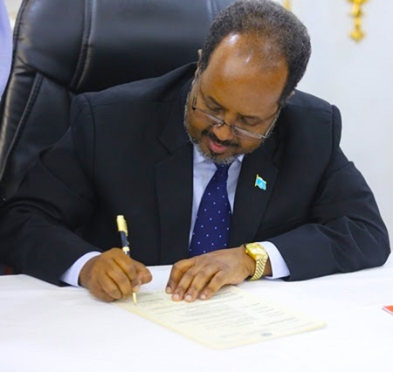
MOGADISHU — Somalia entered a sensitive political period on Thursday as the four-year term of the Federal Government officially came to an end amid ongoing negotiations between government leaders and opposition politicians over the country’s electoral future.
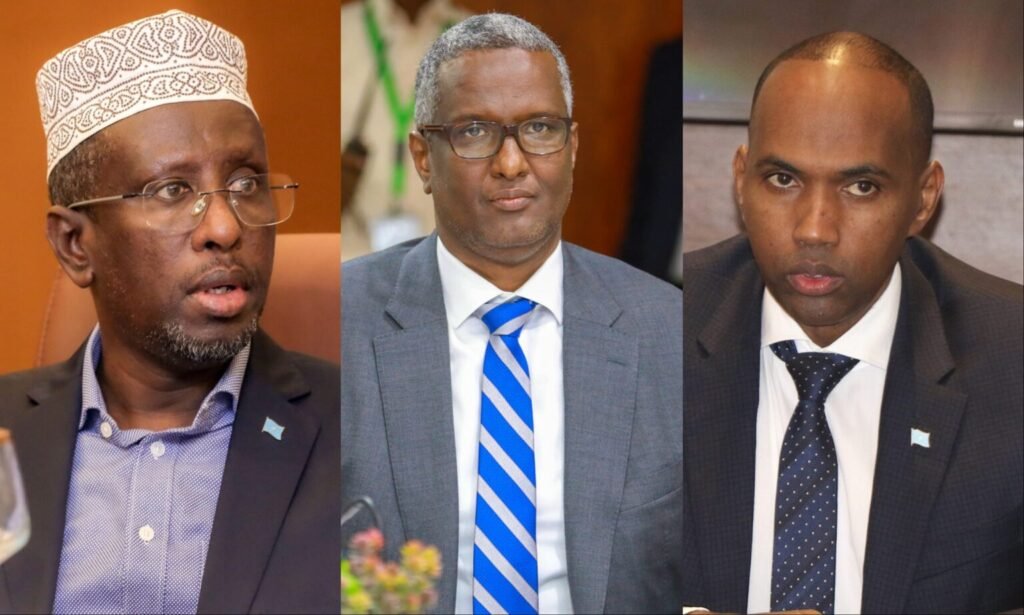
The political uncertainty comes at a time when senior officials from the federal government and opposition groups are engaged in talks aimed at easing tensions surrounding elections, governance and national security.
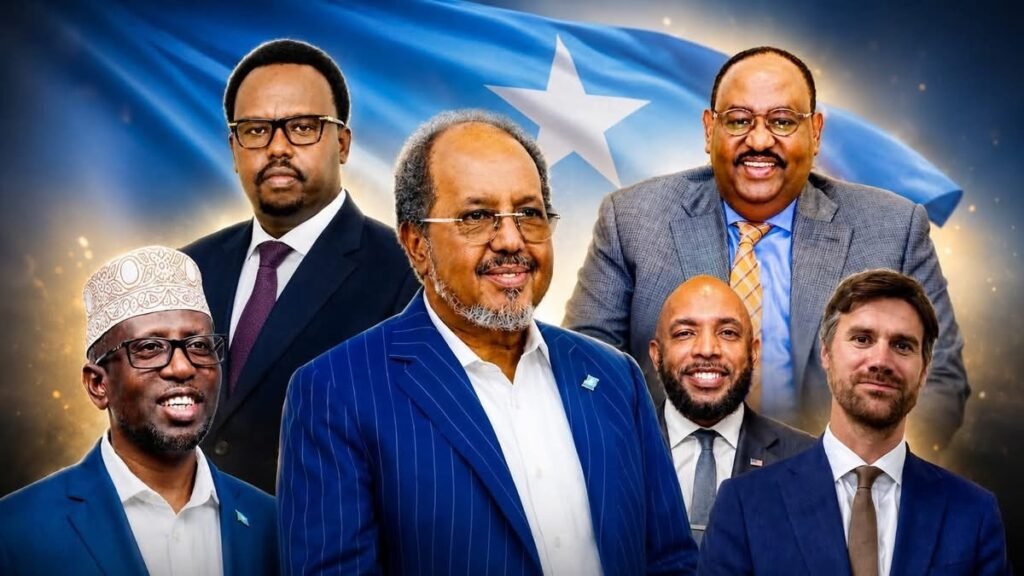
Opposition leaders have been pressing the government to reach a comprehensive agreement on the type of electoral system Somalia will adopt for upcoming elections, warning that unilateral decisions could deepen political divisions and threaten stability in the Horn of Africa nation.
The federal government, meanwhile, has said it remains committed to dialogue and political consensus, emphasizing the importance of cooperation among Somali stakeholders to avoid instability and preserve state-building gains achieved in recent years.
The discussions are being closely watched by the international community and Somali citizens, many of whom fear that prolonged political disagreements could undermine security progress in a country still recovering from decades of conflict and insurgency.
Diplomatic partners and international organizations have repeatedly urged Somali leaders to resolve disputes through peaceful negotiations and inclusive political agreements, stressing the importance of maintaining constitutional order and national unity.
The latest developments also come against the backdrop of heightened political tensions in Mogadishu in recent weeks, fueled by disagreements over electoral models, constitutional amendments and power-sharing arrangements between the federal government and opposition groups.
In a move seen as an effort to create space for negotiations, opposition politicians grouped under the “Future Council” announced they had postponed a planned demonstration that was expected to take place in Mogadishu on May 16.
The opposition alliance said the decision was made to allow ongoing talks between federal government leaders and opposition representatives to continue without additional political pressure or security concerns.
A statement issued by the Future Council said priority should be given to efforts aimed at reaching agreements on elections, security and the broader political situation in the country.
The group also called on Somali citizens to remain patient and support any solution achieved through dialogue, while reaffirming its commitment to defending public rights and advocating for an electoral process accepted by all sides.
Political analysts say the coming days could prove decisive for Somalia’s political future, as leaders face mounting pressure to avoid confrontation and reach a consensus capable of ensuring stability, credible elections and continued international support.
Somalia has experienced repeated political crises linked to delayed elections and disputes between federal and regional leaders, with previous tensions at times raising fears of violence in the capital.
Despite the uncertainty, many Somalis hope the current dialogue will produce a political breakthrough and prevent a return to instability, particularly at a time when the country continues military operations against the militant group Al-Shabaab and seeks to strengthen state institutions.