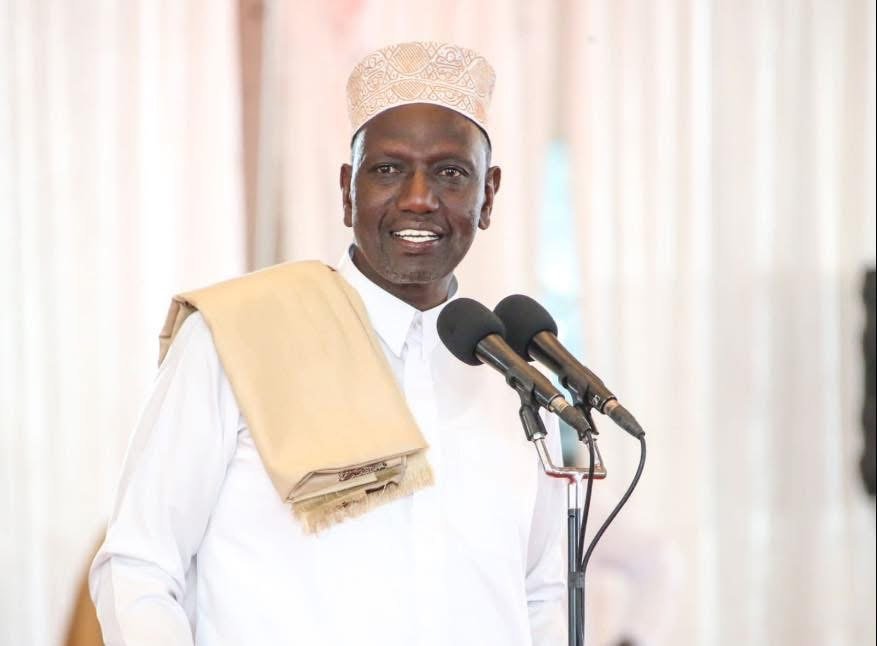
WAJIR, Kenya — Kenyan President William Ruto has issued a public apology to communities in the country’s north-eastern region during a recent visit to Wajir, acknowledging decades of marginalisation and discrimination under successive governments.
Ruto said the Kenyan state had historically failed parts of the country, particularly the north-eastern region, and pledged reforms aimed at addressing long-standing grievances.
He said his administration was committed to correcting what he described as systematic exclusion of local communities from national development.
The president noted that trust between the state and residents had been weakened by past security operations and policies.
He emphasized the need for reconciliation and inclusive governance across all regions of the country.
Ruto also outlined a new development agenda targeting infrastructure and public services in the north-east.
He announced plans for the establishment of a major university in the region.
The government, he added, will also prioritize improvements in healthcare facilities across the area.
Education infrastructure, including Islamic religious schools (madaris), will be upgraded under the new plan.
Local residents who attended the event welcomed the announcements, though reactions across the wider region remained mixed.
The visit comes decades after the 1984 Wagalla massacre, when Kenyan security forces killed hundreds of ethnic Somalis, according to human rights groups and survivor accounts.
The incident remains one of the most controversial episodes in Kenya’s post-independence history.
Human rights organisations have repeatedly called for accountability and official recognition of the killings.
The north-eastern region has long faced challenges in accessing government services, including identity registration and passport issuance.
These barriers have contributed to deep-rooted grievances among local communities.
Ruto’s remarks are being viewed as part of a broader effort to rebuild relations with historically marginalised regions and strengthen national unity.