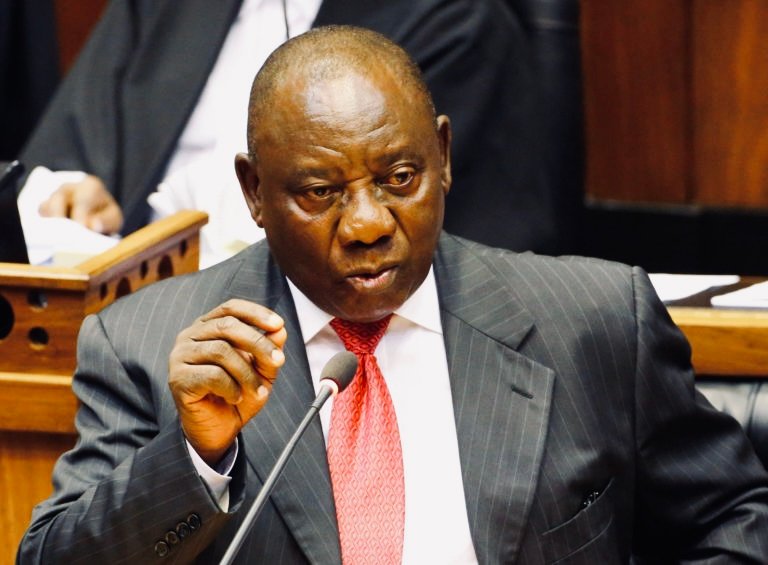
PRETORIA — South African President Cyril Ramaphosa has pledged a firm government response to a wave of violent anti-immigrant protests that have spread across parts of the country, warning that those responsible for attacks, intimidation, and public disorder will face legal consequences.
In a televised address to the nation, Ramaphosa stressed that the violence does not represent the views of the broader South African population. He said the government “will not tolerate lawlessness disguised as protest” and emphasized that all communities—regardless of nationality—must be protected under the constitution.
The unrest, which has included clashes, property damage, and reported attacks on foreign nationals and migrant-owned businesses, has raised growing concern across the region. Several African countries, including Ghana, Nigeria, Malawi, and Mozambique, have reportedly begun emergency arrangements to repatriate or support the return of their citizens affected by the violence.
Diplomatic missions from affected countries are closely monitoring the situation, with some issuing safety advisories urging their nationals to avoid high-risk areas and remain indoors where possible.
Analysts say the protests reflect deeper tensions over unemployment, inequality, and competition for resources in South Africa—issues that have in the past contributed to periodic outbreaks of xenophobic violence.
Ramaphosa’s administration now faces pressure to restore order quickly, strengthen policing in affected areas, and reassure both citizens and foreign residents that their safety will be guaranteed.
Regional observers warn that if the situation escalates further, it could strain diplomatic relations between South Africa and several African states that host large migrant communities tied to its economy.