
CAIRO — Egypt and Eritrea have reiterated that the security and management of the Red Sea should remain exclusively under the control of coastal states, rejecting what they described as attempts by non-littoral countries to influence maritime security arrangements in the strategic waterway.
The position was outlined during talks in Cairo between Egyptian Foreign Minister Badr Abdelatty and his Eritrean counterpart Osman Saleh, where the two sides discussed regional security, economic cooperation, and developments in the Horn of Africa.
According to Egypt’s Foreign Ministry, Abdelatty expressed support for Eritrea’s position on Red Sea governance, emphasizing respect for the sovereignty and territorial integrity of states bordering the maritime corridor.
Both sides stressed the importance of maintaining regional control over the Red Sea, which is a critical global shipping route linking the Mediterranean Sea to the Indian Ocean via the Suez Canal.
The discussions come amid growing regional competition over maritime access and security influence in the Horn of Africa and Red Sea basin.
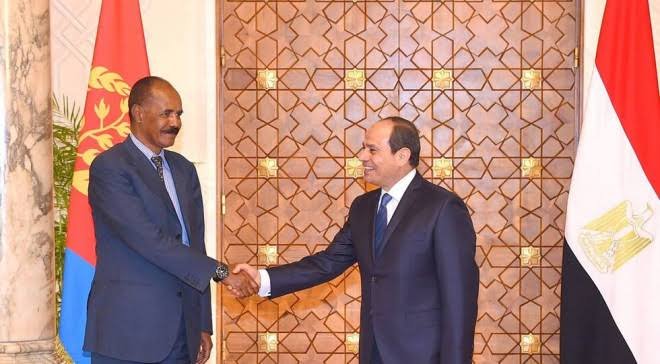
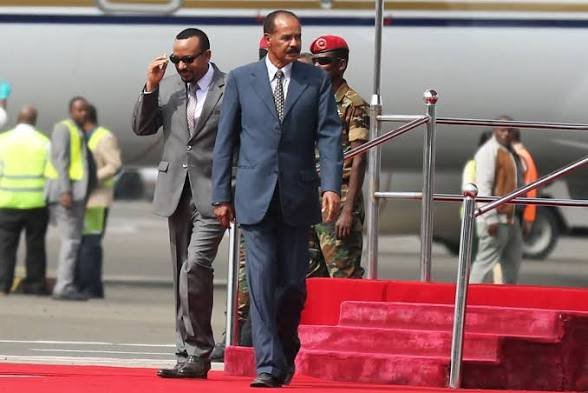
The meeting also highlighted expanding cooperation between Cairo and Asmara following recent high-level exchanges, including a visit by Eritrean President Isaias Afwerki to Egypt.
The two countries pledged to strengthen economic ties in sectors including maritime transport, port development, infrastructure, mining, fisheries, pharmaceuticals, and housing.
Egypt and Eritrea have recently deepened coordination on regional security matters, reflecting shared concerns over instability in the Horn of Africa and the broader Red Sea region.
Analysts say the joint position underscores an emerging alignment between Cairo and Asmara on Red Sea governance, at a time of heightened geopolitical competition involving multiple regional and international actors.
The statement adds to ongoing debates over who has the authority to shape security arrangements in one of the world’s most strategic maritime corridors.