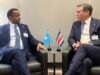
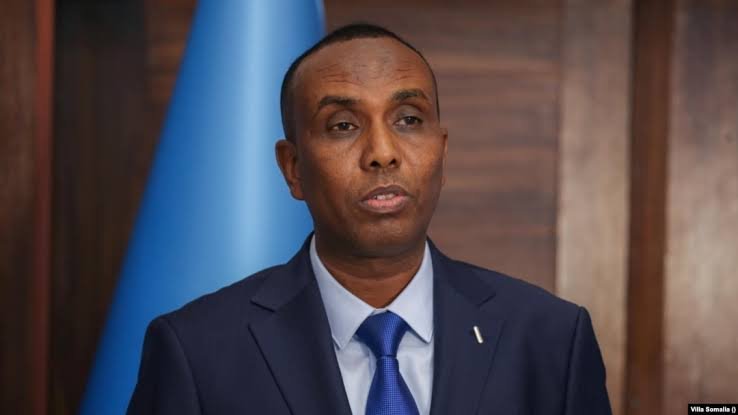
MOGADISHU — Somalia’s Prime Minister Hamza Abdi Barre has completed four years in office, becoming the longest-serving prime minister in the country’s post-1991 political history, officials and analysts said Sunday.
Barre, appointed on June 15, 2022, has remained in office under President Hassan Sheikh Mohamud, overseeing a period marked by attempts to strengthen state institutions, fight Islamist insurgents, and stabilize Somalia’s fragile federal system.
His four-year tenure surpasses all Somali prime ministers since the collapse of the central government in 1991, a period characterized by frequent leadership changes, political disputes, and shifting parliamentary alliances.
Although Somalia has seen multiple prime ministers in the post-civil war era, few have managed to remain in office for extended periods, making Barre’s continued leadership a rare example of political continuity in the Horn of Africa nation.
His government has prioritized counter-insurgency operations against Al-Shabaab, fiscal reforms aimed at improving revenue collection, and efforts to deepen cooperation between federal and regional states, amid ongoing tensions over power-sharing arrangements.
However, Somalia continues to face significant challenges, including persistent insecurity in rural areas, recurring political disputes between federal and regional authorities, and humanitarian pressures driven by drought and displacement.
Political observers say Barre’s longevity reflects a relatively stable working relationship between the presidency and parliament, though they caution that stability at the top has not fully translated into broader institutional consolidation.
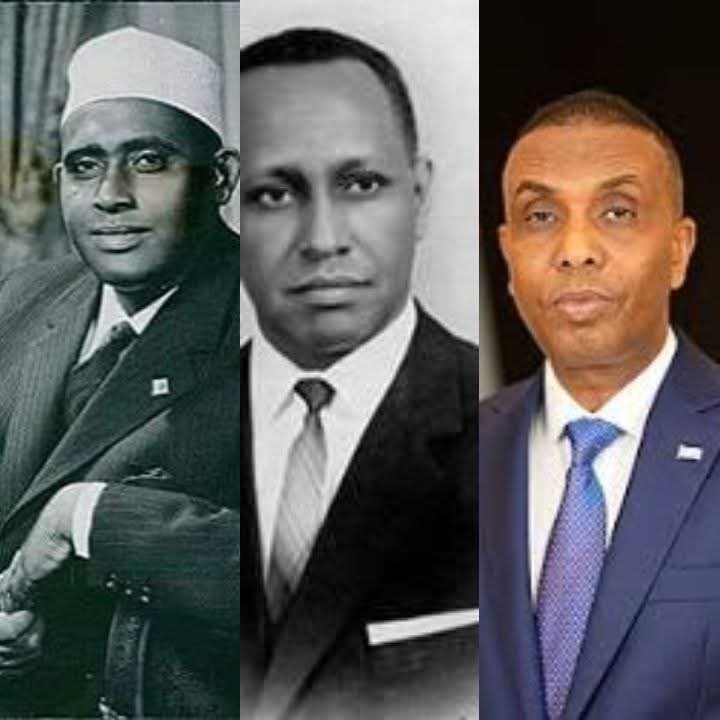
Barre’s tenure also invites comparison with Somalia’s pre-civil war leaders. Abdullahi Issa Mohamud served as prime minister from 1956 to 1960, while Abdirashid Ali Sharmarke held office from 1960 to 1964, both during the early post-independence period.
Those earlier governments operated under functioning national institutions before Somalia’s 1991 state collapse, making Barre’s record significant primarily within the modern federal era.
Since 1991, Somalia has experienced repeated cycles of transitional governments, external interventions, and political fragmentation, with prime ministers often serving short and unstable terms.
While officials in Mogadishu have not formally marked the anniversary, the milestone has triggered debate among political commentators over whether Somalia is entering a new phase of political continuity or merely experiencing temporary executive stability.