
ADDIS ABABA — Ethiopia has intensified its rhetoric on access to the sea, with senior officials describing the issue as a national security priority that goes beyond economic considerations and into questions of sovereignty and strategic survival.
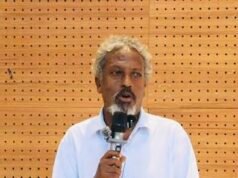
Speaking to state media, Security Advisor to Prime Minister Abiy Ahmed, Kenea Yadeta, said the government has “securitised” the issue of maritime access, framing it as a core national interest rather than a development or trade concern.
He said Ethiopia’s landlocked position continues to create structural challenges for trade, security, and long-term economic growth, adding that the issue has gained increased attention both domestically and internationally.
Kenea argued that Ethiopia, as a major state in the Horn of Africa, has legitimate strategic interests in securing reliable access to the sea to support its development, regional integration, and national security.
He also referred to what he called “historical and legal justifications” for Ethiopia’s position, although no detailed evidence was provided in his remarks.
Ethiopia, a country of more than 120 million people, became landlocked in 1993 after Eritrea’s independence, leaving it dependent on neighbouring states for maritime trade routes.
Since then, successive Ethiopian governments have repeatedly raised concerns over the economic and security implications of relying on external ports, a position that has gained renewed emphasis under Prime Minister Abiy Ahmed’s administration.
The latest remarks come amid heightened regional sensitivity in the Horn of Africa, where access to ports, sovereignty issues, and competing geopolitical interests continue to shape diplomatic relations.
While Ethiopian officials maintain that the push is driven by development and security needs, neighbouring countries have previously stressed that any discussions must fully respect existing borders and international law.
The debate adds further complexity to Ethiopia’s foreign policy direction, as it seeks to balance regional integration ambitions with ongoing internal political and security challenges.