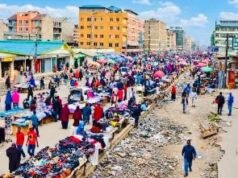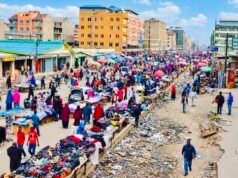

JOHANNESBURG — Businesses in several parts of South Africa are reporting declining trade and reduced economic activity amid the departure of foreign nationals following a surge in anti-migrant sentiment, according to local reports, community leaders and videos circulating on social media.
Residents and business owners in affected areas have described quieter streets, fewer customers and shrinking revenues, with some saying local economies have been disrupted by the loss of migrant workers, traders and consumers who previously played a significant role in commercial activity.
Videos shared online showed some community members expressing concern over what they described as a noticeable slowdown in business, with shop owners reporting lower sales and reduced foot traffic. The footage could not be independently verified.
The developments come as anti-migrant organizations, including March and March and Operation Dudula, continue to campaign for stricter immigration enforcement and the removal of undocumented foreign nationals. Activists associated with the movements have called for migrants without legal status to leave the country by June 30.
The growing tensions have drawn attention across the continent, with several African governments reportedly monitoring the situation closely. Nigeria, Malawi, Ghana and Mozambique have undertaken measures to assist citizens seeking to return home, while diplomatic officials have urged calm and called for the protection of their nationals.
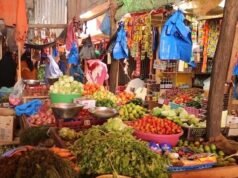
Economists say migrant communities have long been an integral part of South Africa’s economy, particularly in sectors such as informal trade, retail, transport, agriculture, construction and small-scale manufacturing. Foreign-owned businesses are common in many townships and urban centers, where they contribute to local supply chains and employment.
Some residents interviewed in local media reports acknowledged that migrant entrepreneurs had helped sustain economic activity in their communities by providing goods, services and jobs. Others expressed concern that continued departures could further weaken already struggling local economies.
Critics of anti-migrant campaigns argue that the situation demonstrates the economic consequences of xenophobia, warning that the removal of large numbers of workers and business owners could reduce investment, disrupt markets and undermine livelihoods.
Supporters of stricter immigration measures maintain that enforcement of immigration laws is necessary to address unemployment, improve border security and ensure that economic opportunities are prioritized for South African citizens.
The South African government has repeatedly stated that immigration enforcement must take place within the law and has condemned violence, intimidation and vigilante actions targeting migrants.
The unfolding situation highlights the complex relationship between migration, economic development and social cohesion in Africa’s most industrialized economy. Analysts warn that prolonged uncertainty could deepen economic pressures in vulnerable communities while increasing social tensions.
Further information is expected as authorities, businesses and affected communities continue to assess the impact of the reported departures.