

NAIROBI/KIGALI — Rwanda and Kenya have signed state-backed fuel supply agreements that will significantly increase the volume of Rwanda’s petroleum imports routed through the Port of Mombasa, in a move aimed at strengthening regional energy cooperation and improving supply chain efficiency across East Africa.
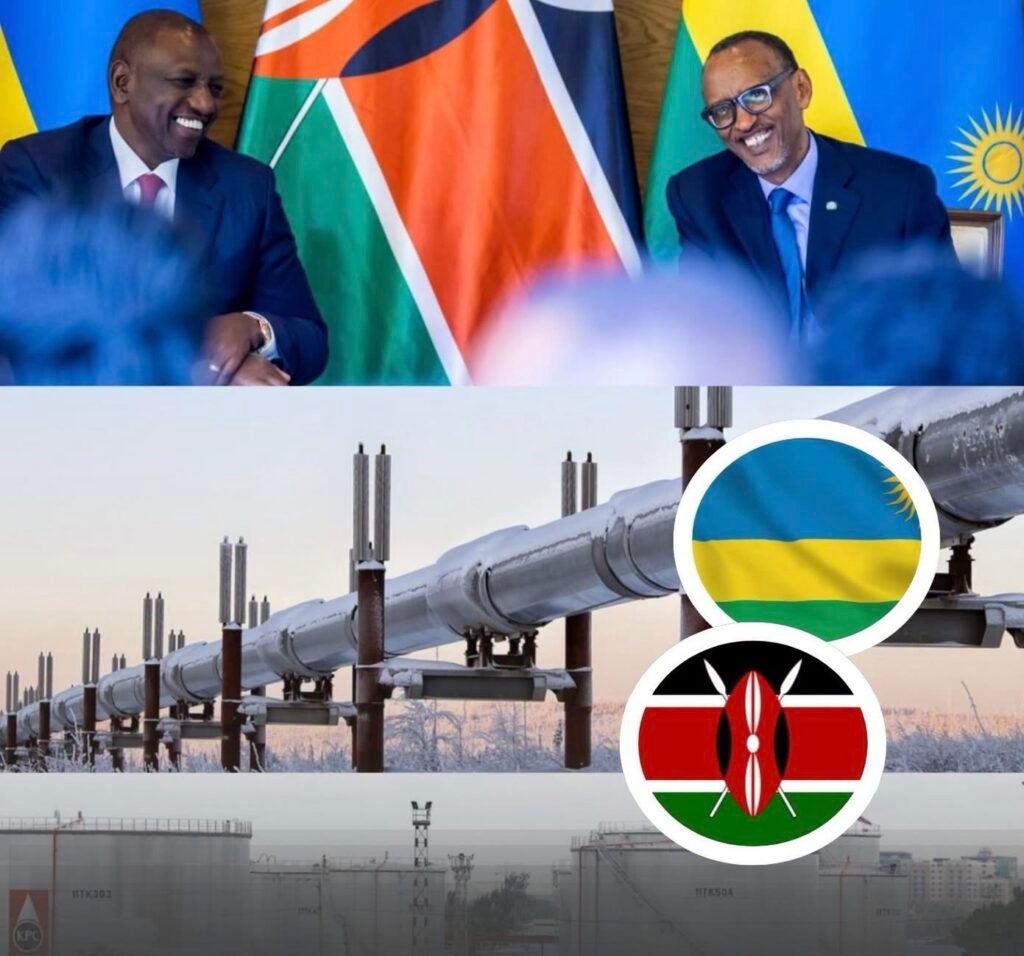
Under the new arrangement, a larger share of Rwanda’s fuel imports—particularly refined petroleum products such as petrol, diesel, and aviation fuel—will be transported through Kenya’s coastal port of Mombasa before being delivered inland to Rwanda via established regional transport corridors.
The agreement is expected to streamline logistics along the Northern Corridor, which links Mombasa to inland markets through Kenya, Uganda, and onward to Rwanda. Officials say the arrangement will reduce delays at entry points, improve customs coordination, and make fuel distribution more predictable and cost-effective.
Rwandan authorities have emphasized that securing stable and reliable fuel supply routes is a key priority for national energy security, especially given the country’s landlocked geography and dependence on transit infrastructure in neighboring states. By expanding use of the Mombasa route, Kigali aims to diversify supply channels and reduce risks associated with overreliance on any single transit corridor.
Kenyan officials, on their part, view the agreement as a boost to the Port of Mombasa’s role as a regional energy hub. The port already handles petroleum products for several landlocked countries in the region, and the new deal is expected to increase throughput volumes, generate additional revenue, and reinforce Kenya’s position as a key logistics gateway for East and Central Africa.
The two governments also highlighted the broader economic benefits of the agreement, including stronger bilateral trade ties, improved transport infrastructure utilization, and enhanced cooperation in customs and regulatory harmonization. The deal aligns with ongoing efforts within the East African Community (EAC) to deepen regional integration and reduce trade barriers between member states.
Analysts note that the agreement could also help stabilize fuel supply chains in the region, where fluctuations in global oil prices, transport disruptions, and infrastructure constraints have at times affected availability and pricing. By centralizing and improving coordination through established port systems, both countries hope to increase resilience in their energy sectors.
Overall, the deal marks a strategic step toward closer economic integration between Rwanda and Kenya, with a focus on securing energy supply, improving logistics efficiency, and strengthening regional trade networks across East Africa.