HARGEISA — Leading political figures in Somalia’s self-declared Somaliland region have strongly criticized reported steps by the regional administration toward establishing or expanding relations with Israel, deepening a political debate over the territory’s foreign policy direction and recognition strategy.
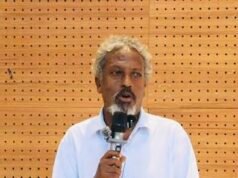
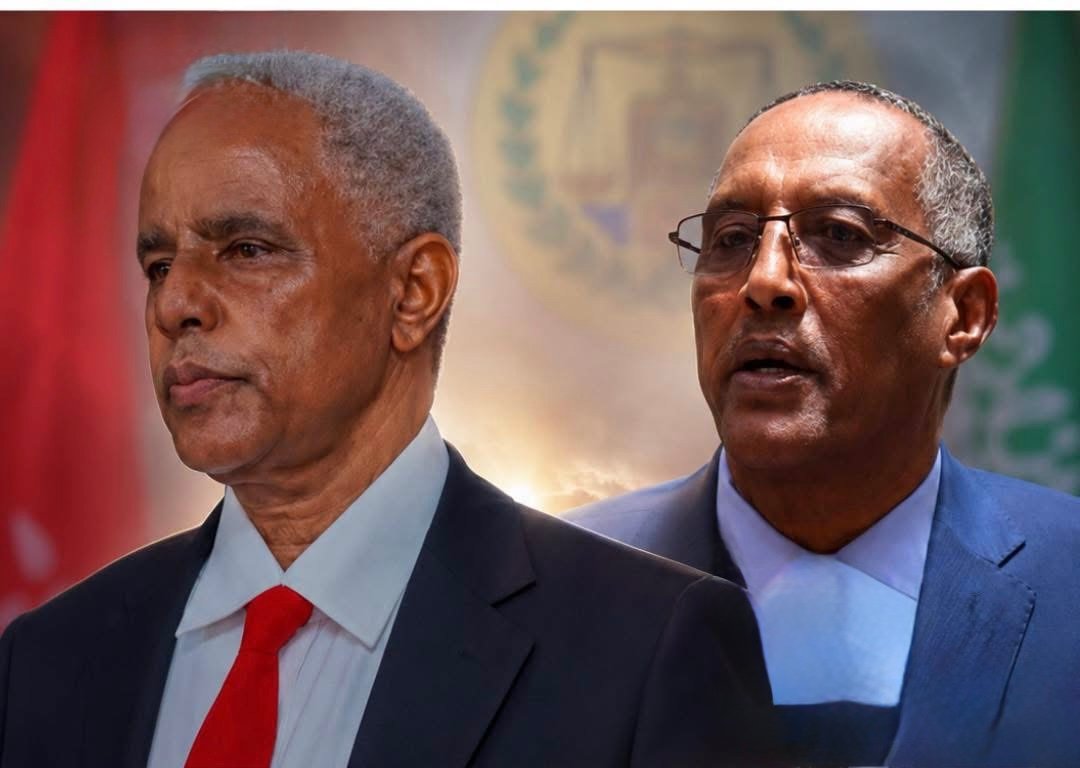
Former Somaliland president Musa Bihi Abdi and opposition politician Mahmoud Hashi Abdi both rejected the reported move, which has been linked to diplomatic outreach involving Israel and possible engagement with institutions in Jerusalem.
Musa Bihi said in a statement that Somaliland’s long-standing pursuit of international recognition had taken an unexpected turn, suggesting that recent diplomatic signals involving Israel diverged from earlier expectations about how recognition efforts should be pursued.
Mahmoud Hashi Abdi described the reported inauguration of a Somaliland-linked diplomatic presence in Jerusalem as “unconstitutional,” arguing that any such decision would require broad political consensus and adherence to Somaliland’s internal legal and institutional framework.
The controversy comes amid reports that Somaliland’s current leadership, headed by President Abdirahman Mohamed Abdullahi Irro, has explored expanding diplomatic engagement with Israel as part of efforts to strengthen international visibility and build external partnerships.
However, neither Somaliland authorities nor Israeli officials have publicly confirmed the scope, legal status, or institutional framework of any such engagement, and details remain unclear.
The dispute has highlighted growing divisions within Somaliland’s political establishment, with some figures supporting more assertive international outreach as a pathway to eventual recognition, while others warn that unilateral diplomatic steps risk undermining internal unity and weakening the region’s long-standing statehood campaign.
Somaliland, which declared independence from Somalia in 1991, operates its own government institutions, security forces, and administrative systems but remains internationally unrecognized, with limited formal diplomatic relations abroad.
Analysts say the latest row underscores broader tensions over Somaliland’s foreign policy direction, particularly the balance between pragmatic international engagement and domestic political consensus in its pursuit of recognition.
No official comprehensive response has yet been issued by the Somaliland administration regarding the latest criticism.