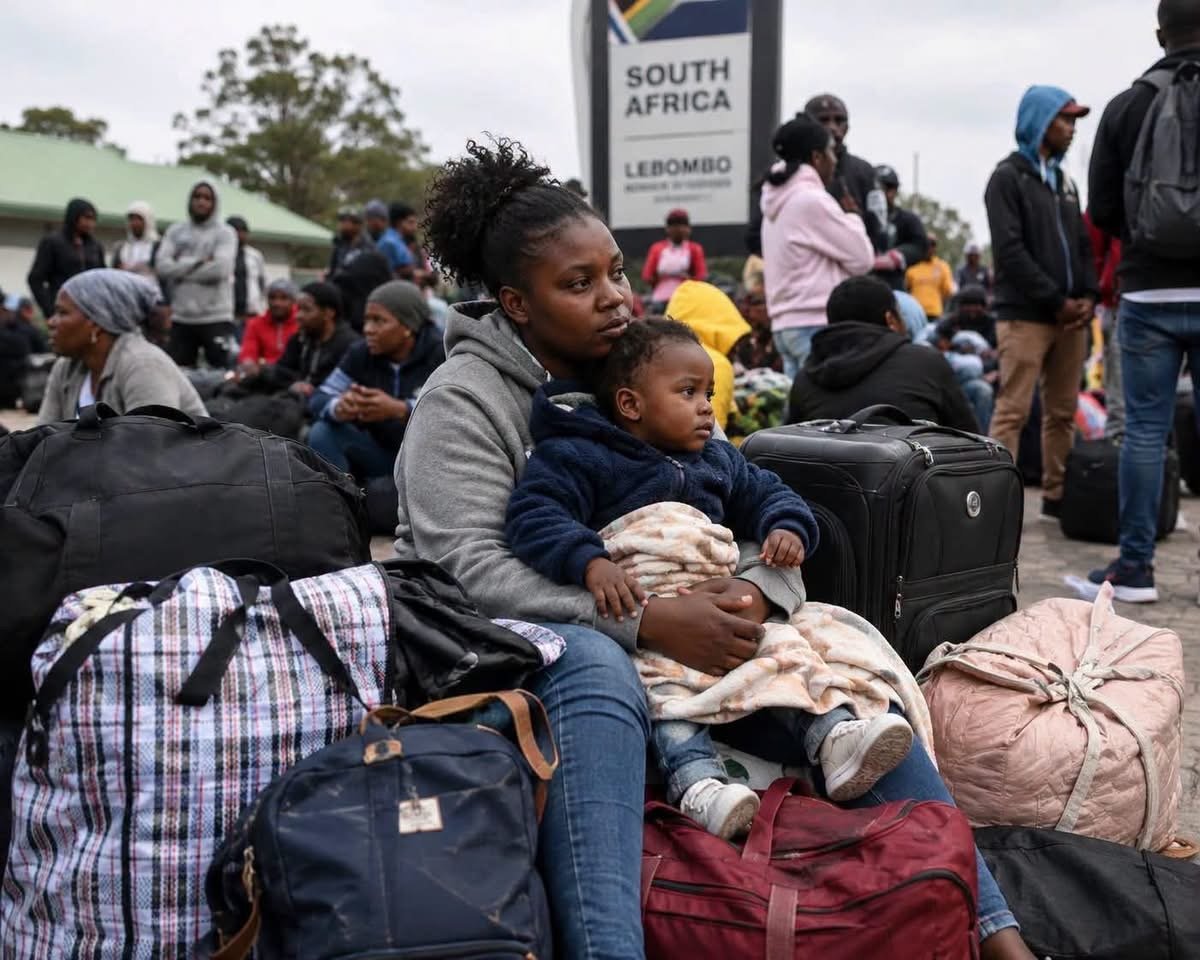
DURBAN — Anger and concern are spreading across Africa and global diaspora communities following renewed reports of xenophobic attacks targeting foreign nationals in parts of South Africa. The incidents have sparked strong reactions on social media, within migrant communities, and among human rights organizations, with growing calls for urgent protection of immigrants and stronger government intervention.
Eyewitness accounts and civil society reports describe recurring patterns of violence and intimidation in certain areas, often linked to tensions over unemployment, access to services, and broader economic hardship. Migrants from several African countries have expressed fear and frustration, saying they feel increasingly unsafe despite their long-standing contributions to local economies.
In response, human rights groups and advocacy organizations have urged South African authorities to strengthen law enforcement, ensure protection for vulnerable communities, and hold perpetrators accountable. They warn that failure to act decisively could deepen mistrust between local residents and foreign nationals.
At the same time, many South Africans have publicly condemned the violence, stressing that xenophobia does not reflect the country’s constitutional values or the views of the majority. Community leaders and activists continue to call for unity, dialogue, and non-violence, warning that attacks on migrants risk damaging South Africa’s regional relationships and international reputation.
Across Africa, reactions have ranged from outrage to calls for restraint. While some voices demand stronger action, regional leaders and organizations, including human rights networks, are urging peaceful solutions through legal frameworks, diplomacy, and regional cooperation.
Analysts note that the situation reflects deeper structural challenges, including high unemployment, inequality, and pressure on urban infrastructure, which contribute to periodic outbreaks of xenophobic sentiment. They emphasize that addressing these root causes is essential to preventing future violence.
Observers continue to urge calm, warning that escalation or retaliation would further destabilize communities and harm civilians on all sides.
If you want, I can next: