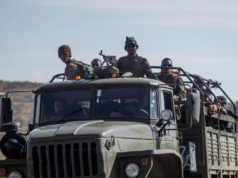
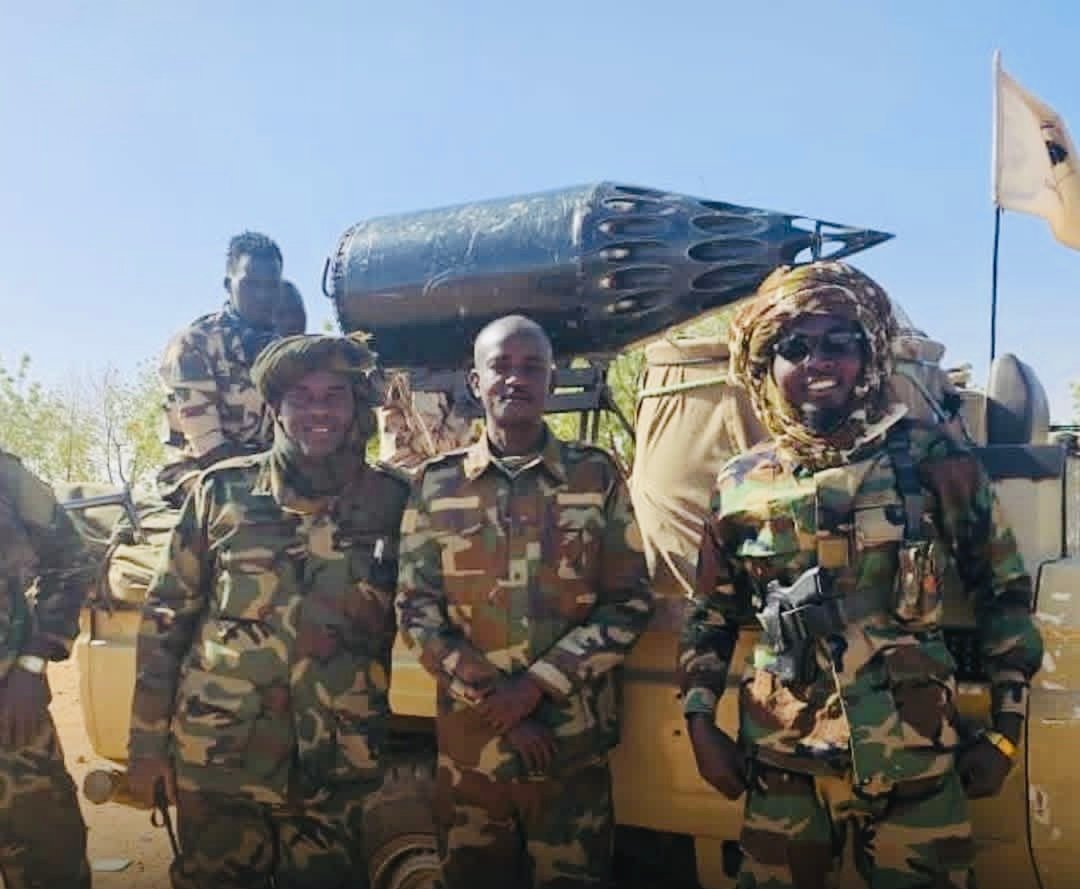
KHARTOUM — Fighters previously aligned with Sudan’s Armed Forces (SAF) have defected to the Rapid Support Forces (RSF) and the Sudan Founding Alliance (TASIS) in West Darfur, according to local sources and regional observers, in a development that highlights growing divisions among forces opposed to the RSF.
The reported defections come amid increasing tensions within the anti-RSF coalition, with disagreements emerging between SAF commander Abdel Fattah al-Burhan and elements of the SAF-aligned Joint Forces, a coalition of armed groups that has fought alongside the army in parts of Sudan.
Sources familiar with the situation said the movement of fighters toward the RSF and TASIS reflects deeper political and military fractures within the alliance supporting the SAF. The defections could weaken the coalition’s ability to maintain a unified front in Darfur, a region that has become one of the main battlegrounds of Sudan’s ongoing conflict.
Analysts say internal divisions among SAF-aligned groups may reshape local power dynamics, particularly in West Darfur, where control over territory, security routes and local alliances has become central to the wider war.
The RSF has expanded its influence across several areas of Darfur since the conflict began, while the SAF has relied on a combination of regular forces and allied armed groups to maintain positions in strategic locations.
The reported defections also come as tensions continue over political leadership, military command and the future structure of Sudan’s security institutions. Observers say disagreements between military factions and their allies have complicated efforts to form a coordinated strategy against the RSF.
Neither the SAF, the Joint Forces nor TASIS immediately issued detailed statements regarding the reported defections.
The conflict between the SAF and RSF began in April 2023 after a dispute between the two military factions over the integration of forces and the future political direction of Sudan. The fighting has since spread across the country, causing one of the world’s largest humanitarian crises, with millions displaced and widespread destruction of civilian infrastructure.
International efforts to broker a ceasefire have repeatedly failed, while humanitarian organizations have warned of worsening conditions, particularly in Darfur and other conflict-affected regions.