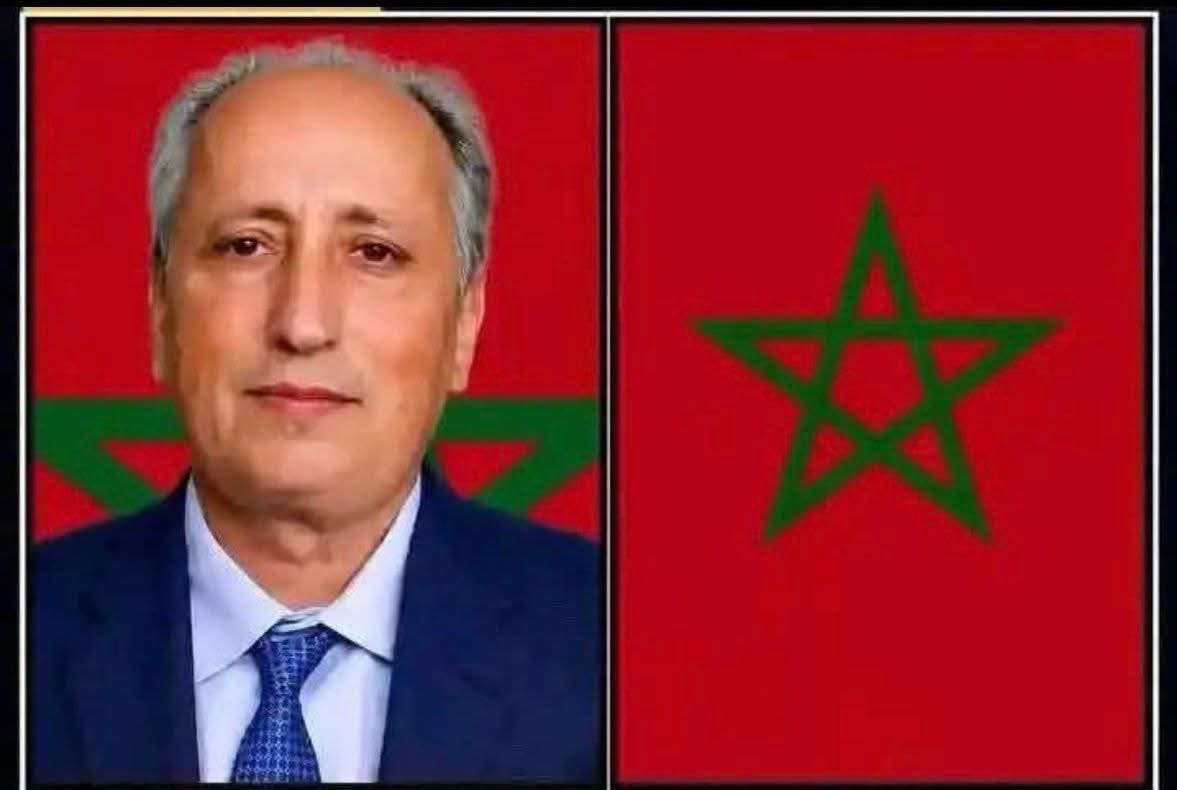
RABAT — Morocco’s Sports Minister, Mohammad Saad Berrad, has stirred debate across the continent after declaring that the Atlas Lions are competing at the FIFA World Cup to represent Morocco rather than Africa as a whole.
Speaking in remarks that have drawn widespread attention on social media, Berrad said Morocco’s national team enters international competitions with the responsibility of defending the kingdom’s interests, identity and national pride above all else.
“We are at the World Cup to represent Morocco,” Berrad said. “Every nation participates to defend its own flag, interests and identity.”
The minister also dismissed suggestions that Morocco’s success should be viewed as a collective achievement for Africa, arguing that the country does not depend on continental backing to compete at the highest level of world football.
His comments have triggered a wave of reactions among football supporters, commentators and public figures across Africa and the Arab world.
Supporters of Berrad’s position argued that national teams exist primarily to represent their own countries and that Morocco, like every other participant, has the right to prioritize its national identity and interests. They described the remarks as a straightforward affirmation of patriotism rather than a rejection of African solidarity.
Critics, however, said the comments risk undermining the sense of continental unity that has often emerged when African nations achieve success on the global stage. Many pointed to Morocco’s historic run to the semifinals of the 2022 FIFA World Cup in Qatar, when the team received overwhelming support from fans across Africa and the wider Global South.
That campaign made Morocco the first African and Arab nation to reach a World Cup semifinal, a feat celebrated across the continent as a breakthrough moment for African football. Images of supporters from numerous African countries rallying behind the Atlas Lions became one of the defining stories of the tournament.
The latest controversy comes as Morocco continues another impressive World Cup campaign, having advanced to the quarterfinals and remained among the tournament’s final contenders. The team’s performances have once again attracted significant support from football fans beyond its borders.
Analysts note that the debate reflects a broader tension between national identity and regional solidarity in international sport. While athletes and teams compete under national flags, major achievements are often embraced by wider regional communities seeking representation and recognition on the world stage.
Neither the Royal Moroccan Football Federation nor members of the national team had publicly commented on the minister’s remarks as of Tuesday.
Morocco is scheduled to face France in the World Cup quarterfinals, with a place in the semifinals at stake.