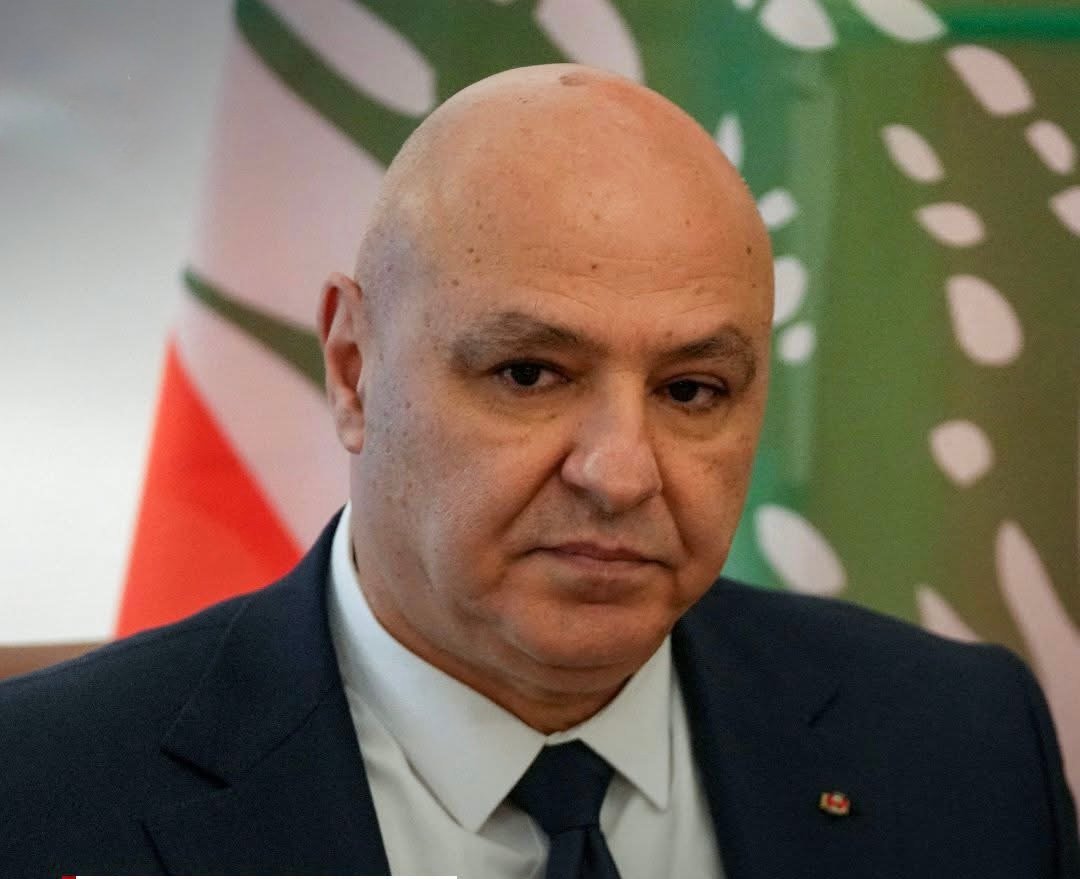
BEIRUT — Lebanese President Joseph Aoun has strongly defended his government’s decision to engage in negotiations with Israel, insisting that Lebanon will not reverse course despite growing criticism from political opponents and factions opposed to dialogue.
Speaking during recent remarks, Aoun said Lebanon stands at a critical moment in its history and has an opportunity to achieve national gains that were lost over decades of conflict and instability. He argued that the country can no longer afford to remain trapped in cycles of confrontation that have weakened state institutions, damaged the economy, and burdened generations of Lebanese citizens.
“Lebanon today has an opportunity to achieve gains it had lost due to absurd wars,” Aoun said, emphasizing that the pursuit of diplomacy should be viewed as a strategic effort to protect the country’s interests rather than a sign of weakness.
The president stressed that negotiations are intended to strengthen Lebanon’s sovereignty, improve national security, and create conditions that could support economic recovery and long-term stability. He noted that years of political crises, regional conflicts, and economic challenges have placed immense pressure on the Lebanese population, making it essential to explore every available avenue for peace and development.
Aoun also pushed back against criticism of the negotiation process, arguing that some opponents are attempting to use the issue for political purposes. According to the president, efforts to derail the talks risk pulling Lebanon back into regional power struggles that have historically limited its ability to pursue an independent national agenda.
In one of his strongest statements, Aoun suggested that opposition to the negotiations could once again turn Lebanon into a bargaining chip in broader regional rivalries, particularly those involving Iran. His comments reflect ongoing debates within Lebanon about the country’s geopolitical alignment and the influence of regional actors on domestic affairs.
The remarks come at a time of heightened tensions across the Middle East, where diplomatic initiatives and security concerns continue to shape political developments. Within Lebanon, the issue of relations with Israel remains deeply sensitive due to decades of conflict, unresolved territorial disputes, and strong political divisions over foreign policy.
Supporters of the talks argue that diplomacy offers an opportunity to reduce tensions, strengthen state institutions, and create a more stable environment for economic growth and reconstruction. They contend that engagement and negotiation can help Lebanon safeguard its interests while addressing long-standing challenges through peaceful means.
Critics, however, remain skeptical, viewing negotiations with Israel as politically controversial and potentially damaging to Lebanon’s traditional positions on regional issues. Some political groups have called for greater scrutiny of the process and questioned whether meaningful concessions can be achieved.
Despite the criticism, Aoun’s latest remarks indicate that his administration remains committed to pursuing dialogue. The president framed the negotiations as part of a broader effort to secure Lebanon’s future, arguing that national interests must take precedence over political divisions and regional rivalries.
As discussions continue, the debate over negotiations with Israel is expected to remain one of the most closely watched issues in Lebanese politics, with significant implications for the country’s diplomatic, security, and economic future.