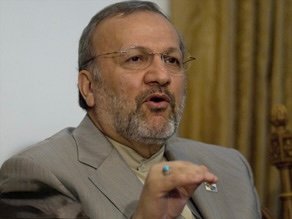
TEHRAN — Former Iranian Foreign Minister Manouchehr Mottaki has sparked debate after making remarks about the possibility of Iran carrying out ground military operations against neighbouring countries during an interview with Iranian state television.
During the interview, Mottaki was asked whether Iran had any plans to launch a pre-emptive ground attack against countries in the region. In response, he said that instead of waiting for a possible ground assault against Iran, he had previously suggested that Tehran could consider taking military action against countries hosting U.S. military facilities.
Mottaki mentioned Iraq, Kuwait and Bahrain, saying that Iran could target American bases located in those countries and capture U.S. military personnel. He claimed that Iran possesses the capability to carry out such operations if it decided to do so.
He also referred to Iran’s regional influence, saying that Tehran has supporters in Iraq who could assist with such actions. Regarding Kuwait, he made claims about potential support from segments of the population, though he did not provide evidence to support those statements.
The comments have drawn attention because Iraq, Kuwait and Bahrain are sovereign states with close security partnerships with the United States and other international allies. Any military action against them would represent a major escalation with serious regional and international consequences.
Mottaki served as Iran’s Foreign Minister from 2005 to 2010 under former President Mahmoud Ahmadinejad and remains a prominent conservative political figure in Iran. His remarks do not represent an official announcement of Iranian government policy, but they come at a time of heightened tensions across the Middle East.
The region has experienced increased security concerns due to ongoing conflicts, rivalries between Iran and Western-aligned countries, and disputes involving regional armed groups and foreign military deployments.
Analysts say such statements are closely monitored because rhetoric from senior Iranian figures can influence perceptions of Tehran’s intentions and affect already fragile regional security dynamics.