TRIPOLI/CAIRO — Turkey’s growing military and political engagement with Libya’s eastern authorities and forces loyal to Khalifa Haftar has drawn regional attention, raising questions over how the development could affect Egypt’s security interests and influence in North Africa.
For years, Turkey and Haftar’s forces were on opposite sides of Libya’s conflict. Ankara supported the internationally recognized Government of National Accord (GNA) in western Libya during the 2019–2020 war, while Haftar’s Libyan National Army (LNA) received backing from Egypt and other regional actors.
Turkey’s military support to the Tripoli-based government played a major role in stopping Haftar’s advance toward the capital and changed the balance of power in the conflict. The developments later contributed to a ceasefire process and renewed diplomatic efforts to end Libya’s political divisions.
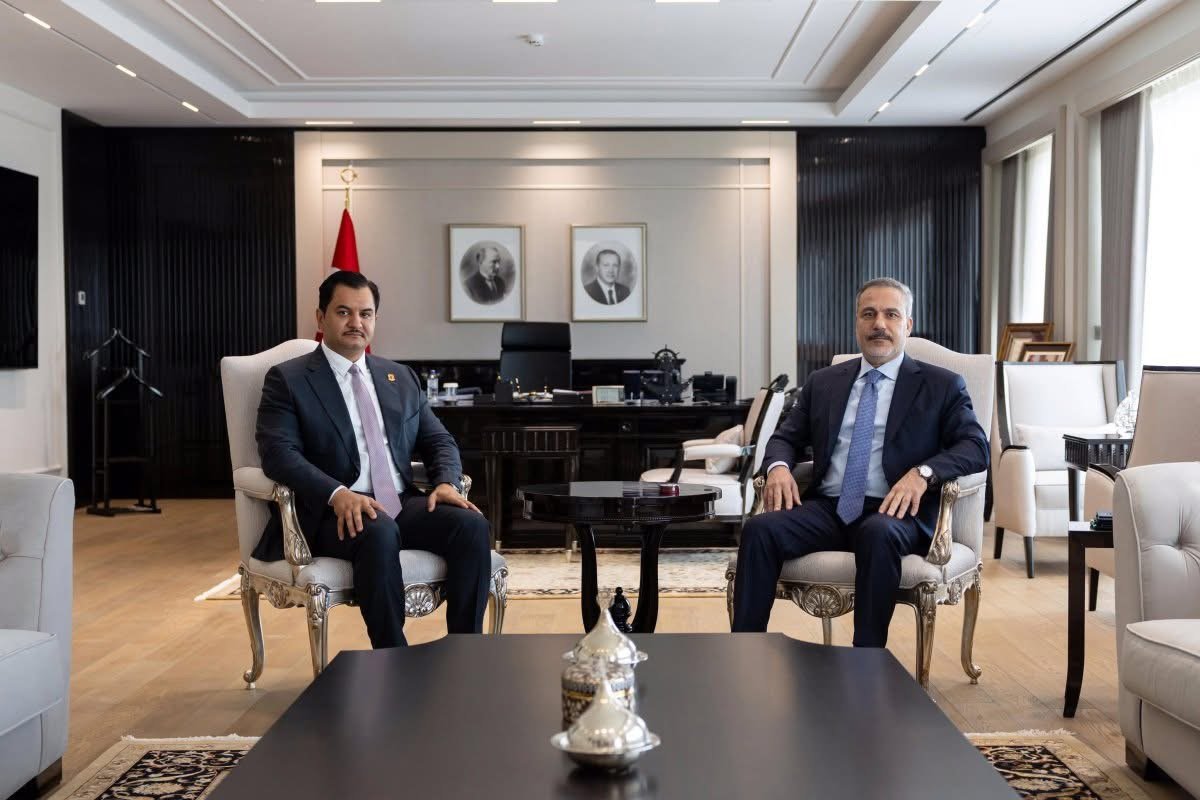
However, recent diplomatic and military contacts between Turkey and eastern Libyan authorities indicate a possible shift in regional alignments. Ankara appears to be expanding engagement beyond its traditional allies in western Libya by building communication channels with Haftar’s camp.
Egypt is closely watching the developments because of Libya’s strategic importance to its national security. The two countries share a long border, and Cairo has consistently expressed concerns over militant movements, illegal weapons flows, and instability spreading from Libya.
Egypt has historically maintained strong relations with Haftar and viewed eastern Libya as a security buffer against potential threats. Any increase in Turkish influence in areas traditionally close to Cairo could create new geopolitical calculations for Egypt.
Cairo has repeatedly called for preserving Libya’s unity and sovereignty, supporting a Libyan-led political process, and reducing foreign military involvement in the country.
Turkey’s outreach to Haftar’s side reflects Ankara’s broader strategy of maintaining influence across Libya while protecting its interests in defense cooperation, reconstruction, energy, trade, and the eastern Mediterranean.
Analysts say Turkey may be seeking to move beyond Libya’s previous divisions by establishing relationships with both western and eastern factions, positioning itself as a key regional actor regardless of future political arrangements.
The changing relationship between Turkey and Haftar could reshape the balance of influence among regional and international powers, including Egypt, the United Arab Emirates, Russia, and European countries.
Observers say the key question is whether this new cooperation will help Libya move toward political reunification and stability, or whether it will create another layer of competition among foreign powers seeking influence.
For Egypt, the issue is not only Turkey’s growing role but also the need to maintain security along its western border and ensure that developments in Libya do not threaten Egyptian strategic interests.
More than a decade after the fall of Muammar Gaddafi in 2011, Libya remains divided by competing political and military structures, with alliances continuing to shift as regional powers adjust their strategies.
The emerging Turkey-Haftar relationship represents another major change in Libya’s complex political landscape and could have significant implications for the future balance of power in North Africa.