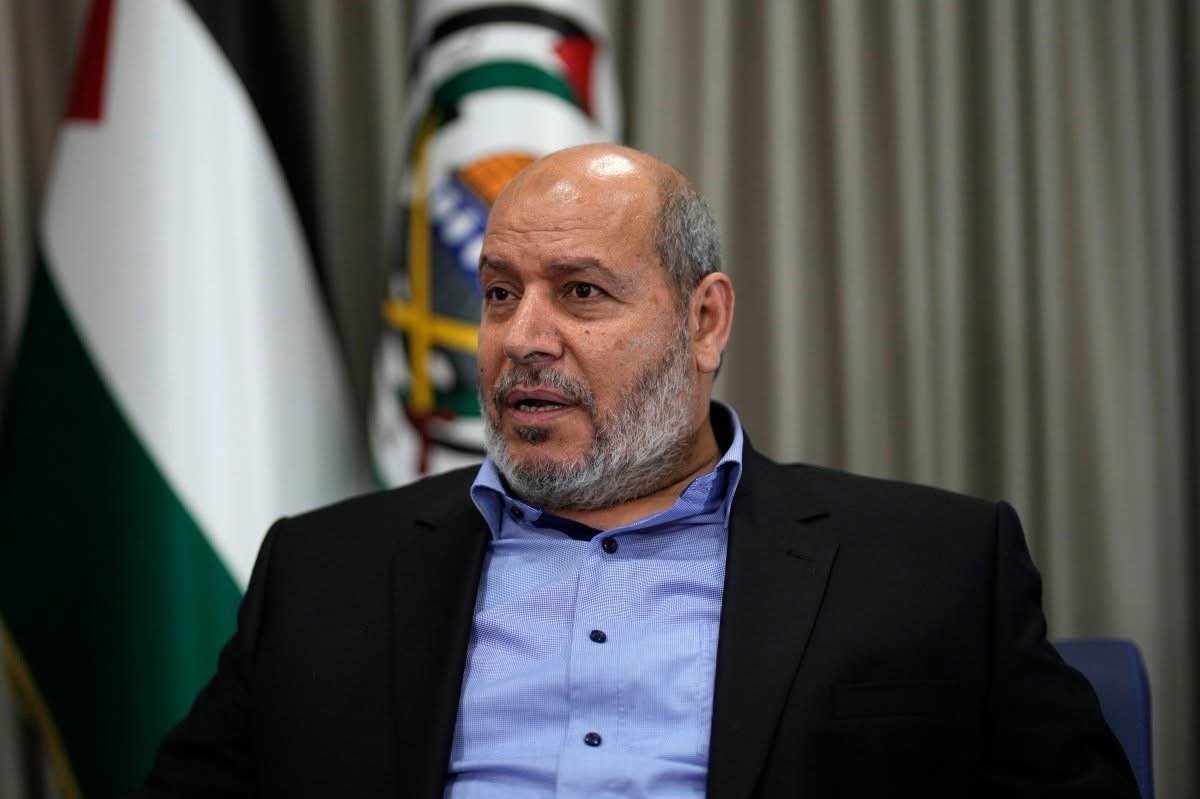
DOHA — Hamas has elected Khalil al-Hayya as the new head of its political bureau, making him the movement’s most senior political figure after the death of former leader Yahya Sinwar, who was killed in Gaza in October 2024.
Al-Hayya’s appointment comes at a critical moment for Hamas, as the group faces continued military pressure from Israel, international efforts to reach a ceasefire in Gaza, and discussions over the future political structure of the Palestinian territory.
A veteran Hamas leader, Khalil al-Hayya, 65, has been involved with the movement for decades. Born in Gaza City in 1960, he joined Hamas during the First Palestinian Intifada in the late 1980s and gradually rose through the organization’s political ranks.
After Hamas won the 2006 Palestinian legislative elections, al-Hayya became a member of the Palestinian Legislative Council. He later emerged as one of the group’s most influential political figures, particularly in Gaza-related affairs.
In recent years, al-Hayya gained international attention as one of Hamas’s key representatives in indirect negotiations with Israel. He played a central role in ceasefire discussions and prisoner-exchange talks mediated by Qatar and Egypt, becoming one of the movement’s most visible diplomatic figures.
Following Sinwar’s death, al-Hayya was among the Hamas leaders involved in managing the group’s political affairs during a transitional period. His election is seen by analysts as a move toward continuity rather than a major change in Hamas’s overall strategy.
Al-Hayya has long been considered close to Sinwar and shares many of the group’s core positions, including opposition to demands for disarmament and maintaining Hamas’s political and military structure. He has also supported the movement’s relationships with regional allies, including Iran and other partners.
According to reports, al-Hayya defeated former Hamas political bureau chief Khaled Meshaal in an internal run-off election. The vote was conducted by Hamas’s Shura Council, which includes representatives from Gaza, the West Bank, Palestinian prisoners, and the group’s leadership abroad.
His leadership begins during one of the most challenging periods in Hamas’s history. The group is under pressure from Israeli military operations, while international mediators continue efforts to secure a long-term ceasefire and address issues including hostages, humanitarian access, and Gaza’s future governance.
Analysts say al-Hayya’s selection signals that Hamas intends to preserve its existing political direction while relying on an experienced negotiator who has played a major role in the group’s external diplomacy and internal decision-making.
His rise places him at the center of future negotiations over Gaza and the broader Israeli-Palestinian conflict, where Hamas remains a key but highly contested political and military actor.