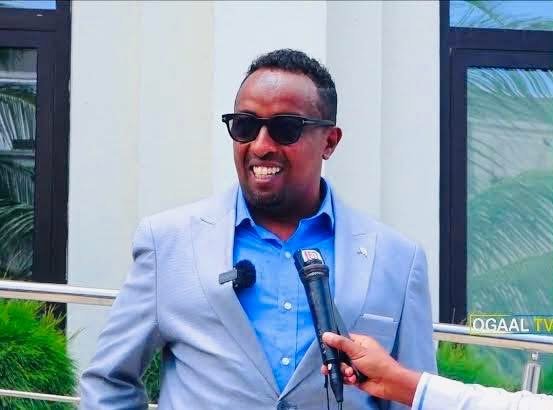
MOGADISHU — Political tensions surrounding the future leadership of Hirshabelle State have intensified after Somali lawmaker Mohamed Abdullahi Buraale criticized some politicians from the Hiiraan region, accusing them of failing to defend what he described as the political rights and interests of their communities.
Buraale’s remarks have added another layer to an already sensitive debate over power-sharing, representation, and leadership between the two main regions that make up Hirshabelle — Hiiraan and Middle Shabelle.
In his statement, Buraale argued that some politicians have become dependent on existing political structures rather than representing the demands of the people who elected them. He said his political legitimacy comes from his constituency and not from alliances with individuals controlling government institutions.
“The difference between us is that our seats depend on the people we represent. That is what separates us. Some of you have forgotten that Somalia is moving toward a system of one person, one vote,” Buraale said.
The lawmaker said communities with significant populations, political experience, and contributions to the state should have equal opportunities to seek leadership positions. He criticized what he described as an approach that limits Hirshabelle’s leadership to certain communities while excluding others from competing for the highest offices.
However, political observers say the debate is not only about individual politicians but reflects deeper disagreements over the structure and future of Hirshabelle itself.
Critics of the current political arrangement argue that some politicians are overlooking the broader challenges facing the state, including governance weaknesses, security concerns, limited development, and disputes over political representation. They argue that discussions about leadership should also consider whether the current administration has delivered effective governance for all communities.
Some analysts of Somali politics say the Hirshabelle dispute is rooted in longstanding disagreements between communities over the distribution of political power, particularly regarding control of the state presidency and the regional capital.
According to these observers, concerns have been raised that the state’s top leadership and the capital of the administration are currently dominated by one community, creating perceptions of imbalance among other groups. They argue that such arrangements can deepen political divisions if not addressed through inclusive power-sharing.
The debate has also highlighted internal divisions among Hiiraan politicians, with some critics arguing that certain leaders from the region have failed to adequately represent the concerns of their own communities. Others, however, maintain that political competition within the region is part of a normal democratic process and should not be framed solely through clan politics.
The future of Hirshabelle leadership remains one of the most contested political issues in Somalia. The possibility of another term for President Ali Abdullahi Hussein (Ali Gudlaawe) has increased concerns among some political actors who warn that continued disagreements over representation could further weaken the stability of the state.
Some observers have warned that if political grievances are not addressed through dialogue and a fair power-sharing arrangement, Hirshabelle could face deeper internal divisions.
As Somalia continues its transition toward broader electoral participation, the Hirshabelle debate reflects a larger national challenge: balancing traditional power-sharing arrangements with demands for more direct representation and political accountability.