ASMARA — Eritrea has called for countries bordering the Red Sea and the Gulf of Aden to take primary responsibility for safeguarding the region’s maritime security, advocating the creation of a unified, independent security framework based on international law rather than reliance on foreign powers.
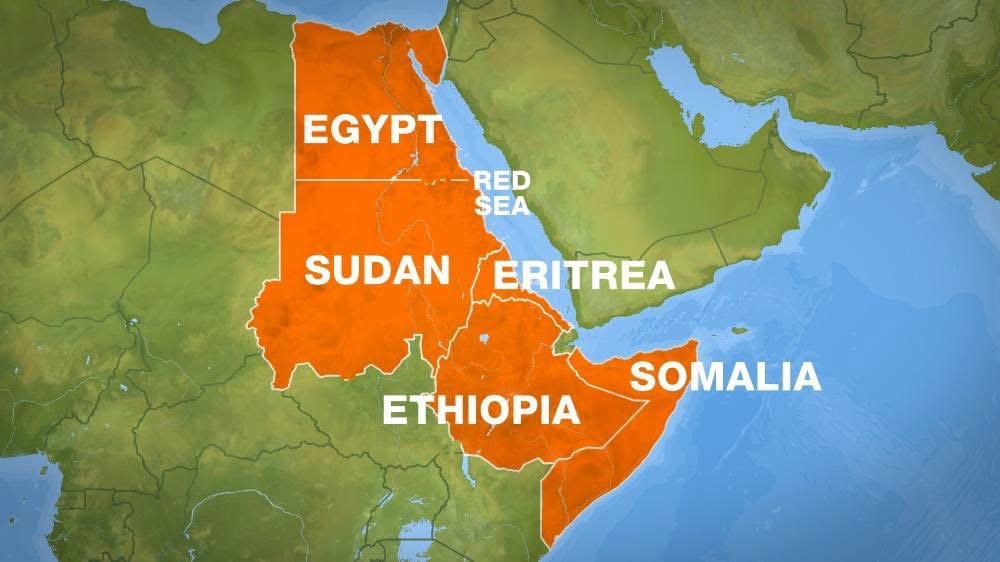
In a statement issued on Friday, Eritrea’s Information Minister, Yemane Gebremeskel, outlined a comprehensive proposal aimed at strengthening regional cooperation and enhancing the defense capabilities of Red Sea coastal states.
The statement urged governments in the region to undertake a thorough assessment of existing security challenges and develop a clear, coordinated strategy to preserve peace, stability, and freedom of navigation across one of the world’s most strategically important waterways.
Eritrea called on coastal nations to strengthen their own military and naval capabilities, arguing that indigenous defense forces should serve as the foundation of regional security. It stressed that countries should reduce dependence on external military powers and instead build a collective security architecture led by the states directly bordering the Red Sea.
The proposal also called for closer regional cooperation in tackling shared threats, including piracy, terrorism, arms smuggling, human trafficking, and other forms of transnational organized crime that no single country can effectively address alone.
While recognizing that cooperation with external partners may at times be necessary, Eritrea said such engagement should be based on collective regional consent, full respect for national sovereignty, and strict adherence to international law.
The statement further recommended the establishment of specialized committees of security and maritime experts to coordinate planning, formulate joint policies, and oversee the implementation of regional security initiatives.
Eritrea’s proposal reflects its longstanding position that the future security of the Red Sea and the Gulf of Aden should be determined by the countries of the region themselves. The government argues that stronger regional ownership, enhanced military self-reliance, and deeper cooperation among coastal states offer a more sustainable model for ensuring maritime stability than continued dependence on non-regional powers.
The Red Sea remains one of the world’s most vital maritime trade corridors, linking the Mediterranean Sea with the Indian Ocean through the Suez Canal and carrying a significant share of global commerce and energy supplies. Eritrea’s latest initiative comes amid growing geopolitical competition and an expanding foreign military presence in the strategically important region.