KINSHASA — The Ebola outbreak in eastern Democratic Republic of Congo (DRC) is continuing to spread, with health authorities reporting the emergence of the disease in two additional health zones in North Kivu province.
The newly affected areas, Biena and Manguredjipa, have brought the total number of health zones affected by the outbreak to 60, according to the Congolese Ministry of Health.
Health officials said the two newly affected areas are experiencing mortality rates above the overall outbreak average. Authorities have partly attributed the high death toll to delays in reaching affected communities and delivering emergency medical assistance.
So far, 5,794 confirmed Ebola cases have been reported, with 2,786 deaths, putting the reported case-fatality rate at approximately 48 percent.
The outbreak is spreading in parts of eastern DRC that have been affected by years of armed conflict, creating major obstacles for health workers attempting to contain the virus.
Population displacement, insecurity, attacks against health workers and medical facilities, frequent population movements and limited healthcare infrastructure are making it more difficult to detect cases, trace contacts and provide timely treatment.
The United Nations has expressed concern over the worsening situation. UN Secretary-General António Guterres has warned that the virus is spreading rapidly and that containment efforts are facing significant challenges.
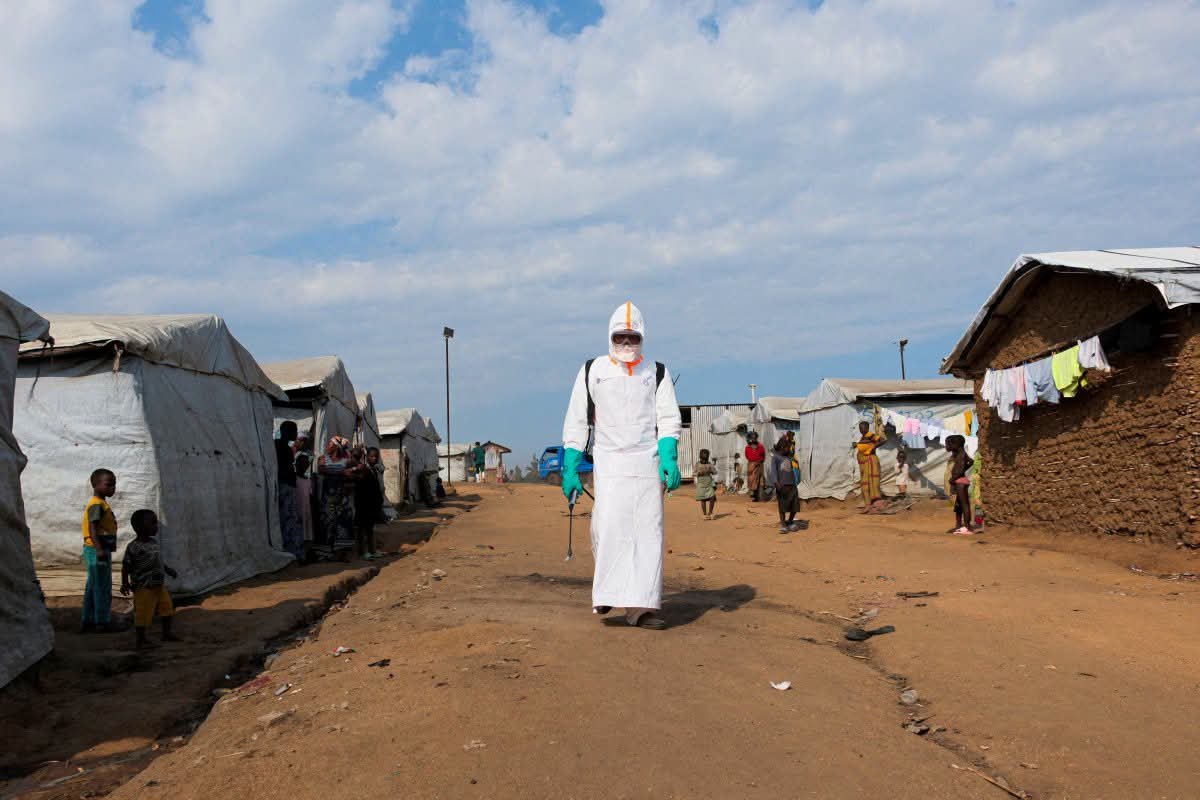
As the outbreak expands, Médecins Sans Frontières (MSF) has opened a new Ebola treatment facility in Beni to strengthen the medical response and provide faster access to care for patients.
Health authorities and humanitarian organizations continue to face difficulties maintaining disease surveillance and delivering treatment, particularly in communities affected by conflict and displacement.
The expansion into Biena and Manguredjipa underscores the growing challenge of controlling Ebola in eastern DRC, where insecurity, population movement and limited access to healthcare are increasing the risk of further transmission.
Authorities are urging communities to cooperate with health teams, report suspected cases promptly and follow public health measures as response teams work to slow the spread of the virus and prevent further deaths.