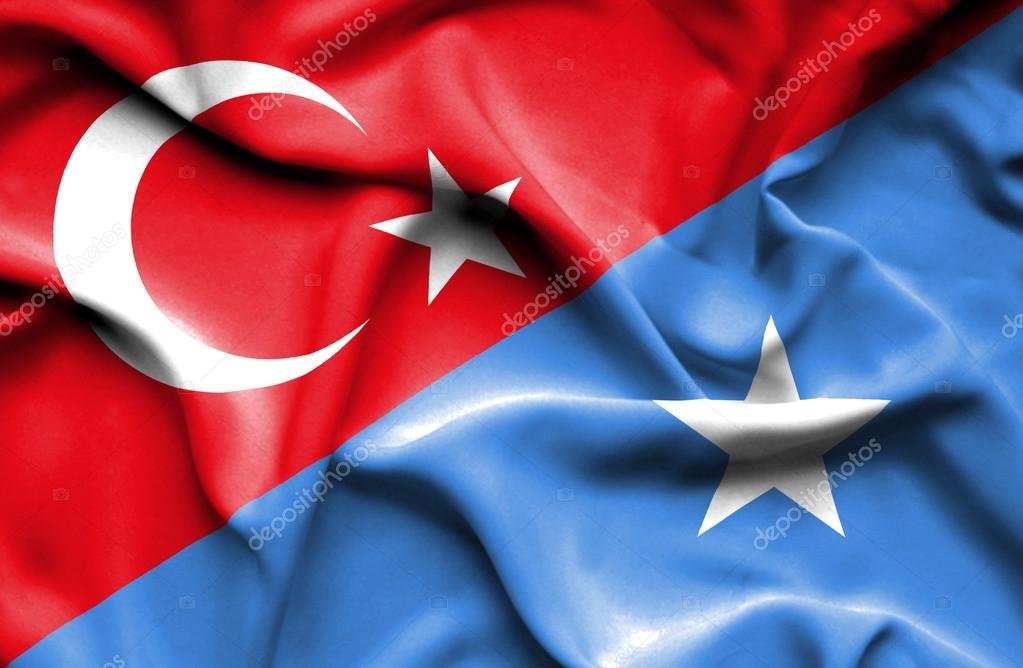
MOGADISHU — Turkey has increasingly been described by supporters of Somalia’s federal government as one of the country’s most important international partners in efforts to strengthen state institutions, national unity and Somalia’s sovereignty.
Supporters of the relationship argue that Turkey has stood firmly behind Somalia during a period in which the country continues to rebuild its government institutions and recover from decades of political instability following the collapse of the central government.
They point to Turkey’s expanding engagement with Somalia in areas including security, economic development, infrastructure, education and humanitarian assistance as evidence of Ankara’s long-term commitment to Somalia’s state-building process.
Somalia’s modern political crisis dates back to the military takeover of 1969, when the armed forces seized power and the country entered a prolonged period of military rule. The subsequent collapse of the central government created political fragmentation and contributed to decades of instability.
Against this historical background, supporters of stronger Somalia-Turkey relations say Ankara’s support for Somalia’s internationally recognized government and territorial unity is particularly significant.
Turkey has also become an increasingly visible partner in Somalia’s security sector, while Turkish-backed development and humanitarian projects have strengthened Ankara’s presence in the country.
Political Debate Over Turkey’s Role
However, Turkey’s growing role in Somalia has also attracted criticism from some political and public figures. Critics have questioned aspects of Ankara’s political, economic and security involvement, while supporters argue that such criticism should be separated from the broader question of Somalia’s need for strong international partnerships.
Those defending Turkey’s role say that opposition to Ankara’s engagement should not automatically be interpreted as opposition to Somalia’s statehood or national unity. They argue that Somalia needs international partners that support the country’s sovereignty, functioning institutions and efforts to overcome political divisions.
At the same time, criticism of Turkey does not necessarily mean opposition to Somali statehood. Questions about foreign influence, economic interests and government policy remain legitimate issues within Somalia’s political debate.
A Strategic Partnership
For supporters, Turkey’s relationship with Somalia represents more than a conventional diplomatic partnership. They see it as part of a broader effort to help Somalia rebuild its institutions, improve security and strengthen its position as a sovereign and unified state.
The debate over Turkey’s role therefore reflects a wider disagreement inside Somalia about how the country should rebuild its political institutions, manage relations with foreign partners and achieve lasting national unity.
As Somalia continues its state-building efforts, Turkey remains one of the country’s most prominent international partners, with its involvement likely to remain an important subject in Somalia’s political and public discourse.