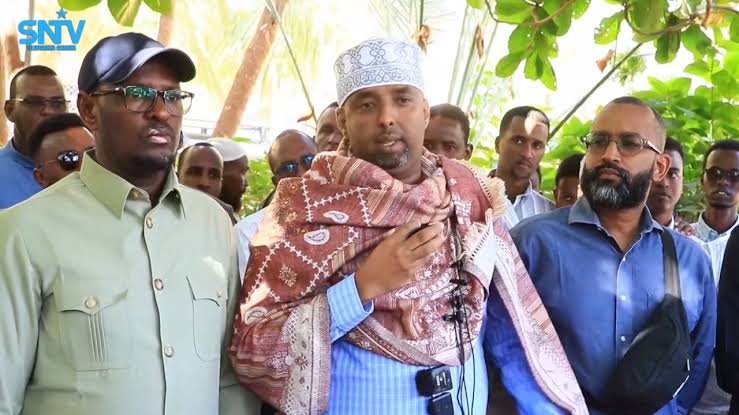
BELEDWEYNE — A provocative but seemingly humorous remark circulating amid Somalia’s political debate has drawn attention to increasingly sharp rhetoric surrounding traditional leaders, community influence and political competition in Hiiraan and Hirshabelle.
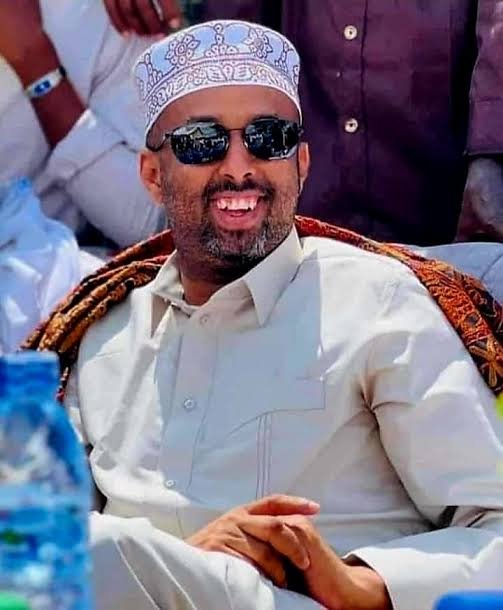
In remarks delivered in a joking tone, a man is quoted as saying: “Do you think I am someone who should be pitied? I will become my own side’s wall.” He then referred to young people who had previously been making noise, questioning whether he was expected to be intimidated by their traditional leaders and elders.
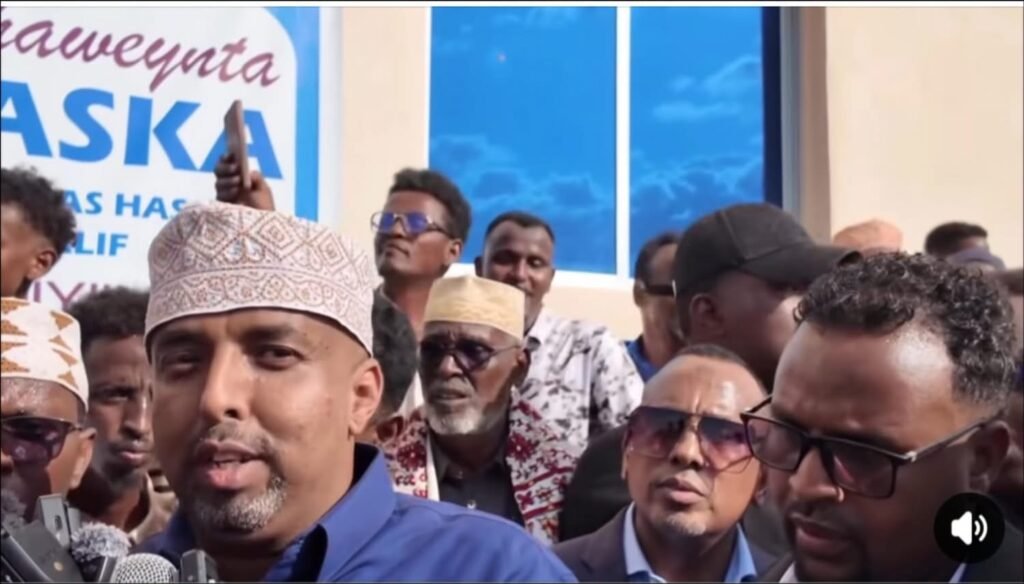
The speaker also made a sarcastic reference to previous confrontations involving elders and traditional authorities, suggesting that those who had caused disturbances in the past had already faced consequences.
Although the language was sharp, the remarks appeared to be part of Somali political banter and satire, rather than a verified declaration of an imminent confrontation.
The comments come amid heightened political debate in Somalia, where traditional leaders continue to play an influential role in community affairs, political mobilisation and negotiations between competing groups.
In Hiiraan and Hirshabelle, disagreements over political representation, leadership and the role of traditional authorities have increasingly become part of broader debates over power-sharing, federal politics and relations between local communities and political leaders.
The exchange illustrates how political disputes in Somalia can move quickly between serious negotiations and humorous or confrontational public rhetoric. Even when delivered as jokes, such remarks can carry political significance, particularly when they invoke respected traditional leaders, elders and community identities.
There was no independent indication that the speaker’s comments represented a formal political position or were connected to any specific planned action.
The remarks are therefore best understood within the broader political and social banter surrounding Somalia’s evolving power struggles, where humour, sarcasm and traditional rhetoric often intersect with serious political disagreements.