
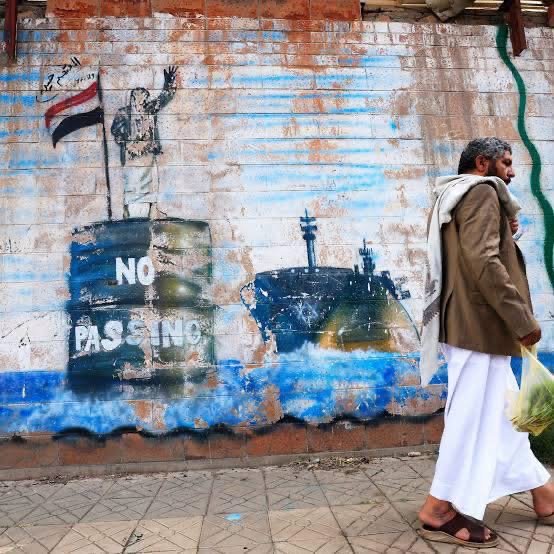
BERLIN — Germany has warned against allowing the Houthi movement to use disruptions around the strategic Bab el-Mandeb Strait as a means of exerting pressure on the international community, as Saudi Arabia’s oil supply disruptions raise concerns over energy security in Europe.
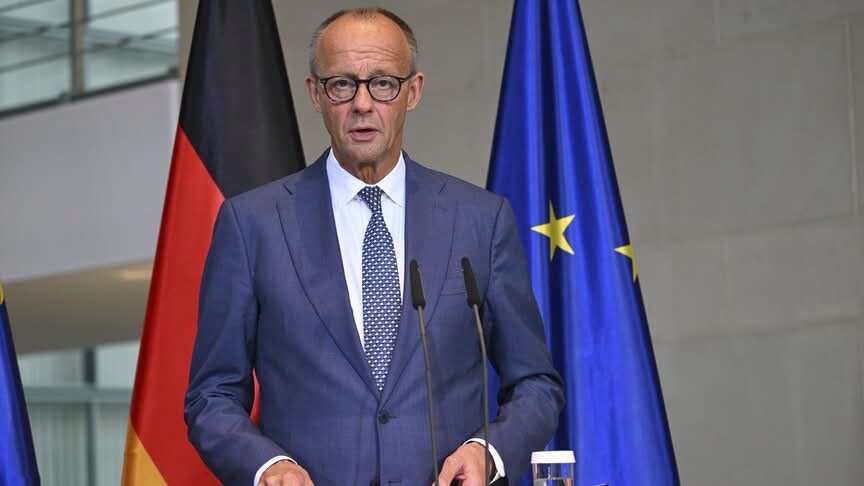
German Chancellor Friedrich Merz said the regional crisis was already contributing to higher energy costs for German consumers, adding to economic pressure across Europe.
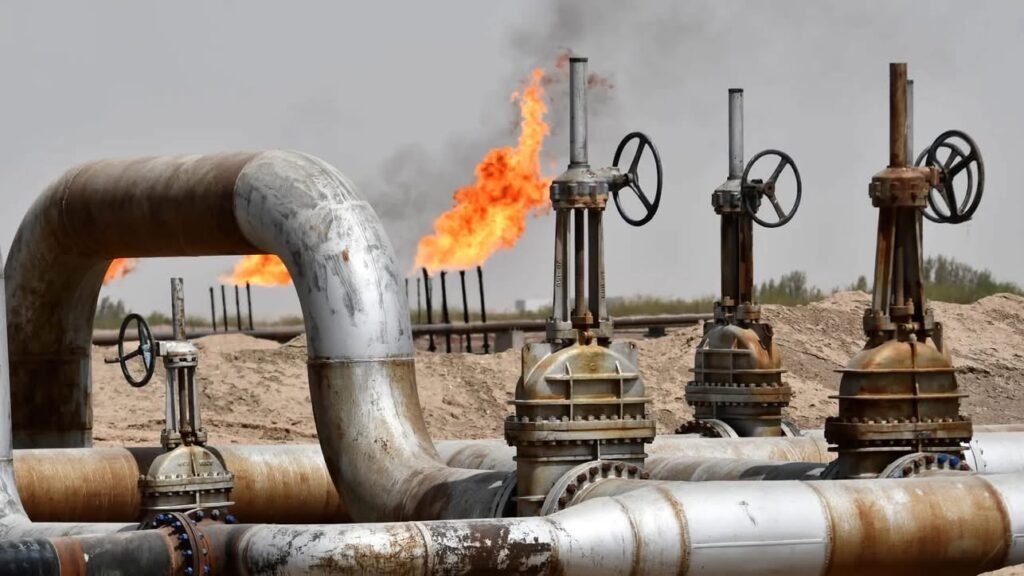
The warning comes as Saudi Arabia has reportedly suspended some crude oil shipments to European customers following attacks that disrupted its oil infrastructure and affected operations at the Red Sea port of Yanbu.
According to Reuters, Saudi Arabia told some European customers that September crude cargoes would be cancelled, while oil loadings at Yanbu were suspended. The disruption has contributed to higher crude prices, with Brent settling at $108.75 a barrel on Tuesday.
The developments have raised concerns that continued instability in the Red Sea and Gulf could have consequences well beyond the Middle East. European refiners are already looking for alternative sources of crude to compensate for disrupted Saudi supplies.
Saudi Arabia under pressure
Saudi Arabia has faced mounting pressure as attacks on energy infrastructure and shipping routes disrupt its ability to move crude through traditional export corridors.
The kingdom has relied on its East-West pipeline to transport oil to Yanbu and reduce its dependence on routes vulnerable to disruption around the Strait of Hormuz.
The pipeline was shut following an attack that Riyadh attributed to Iraqi militias, while Houthi attacks and wider regional tensions have added further risks to commercial shipping.
The disruption of major routes around both the Strait of Hormuz and the Red Sea has intensified concerns about global energy supplies, with oil prices climbing above $100 a barrel amid fears of further interruptions.
Some analysts have viewed Saudi Arabia’s diplomatic and military outreach as an effort to secure stronger international support in confronting the Houthi threat. However, claims that Riyadh is deliberately using oil disruptions to pressure Western governments into providing military assistance have not been independently established.
For Europe, the immediate concern is the potential impact on fuel prices, refinery supplies and shipping costs if disruptions continue.
With several strategic waterways under pressure, European governments are closely monitoring developments in the Red Sea and Gulf, while the duration and wider economic impact of the Saudi oil disruptions remain uncertain.