BELEDWEYNE — A prominent Gaaljecel community elder, Mowliid Muhumed Ibrahim, has publicly opposed any attempt by Hirshabelle President Ali Gudlawe Hussein to secure another term, adding to an increasingly contested political debate over the leadership of Somalia’s Hirshabelle State.
Ibrahim’s remarks come as political consultations intensify in Hiiraan over the future of Hirshabelle, including questions surrounding leadership, political representation and the organisation of future elections.
The elder argued that Gudlawe should not return for another term, signalling opposition to the continuation of the current leadership at a time when rival political actors are positioning themselves ahead of the next electoral contest.
The dispute is particularly significant in Hiiraan, where political leaders and community representatives have repeatedly raised concerns over power-sharing and the distribution of political influence between Hiiraan and Middle Shabelle.
Hirshabelle was established as a federal member state in 2016, bringing together the two regions. Since then, disagreements over political representation and the allocation of senior government positions have remained recurring issues.
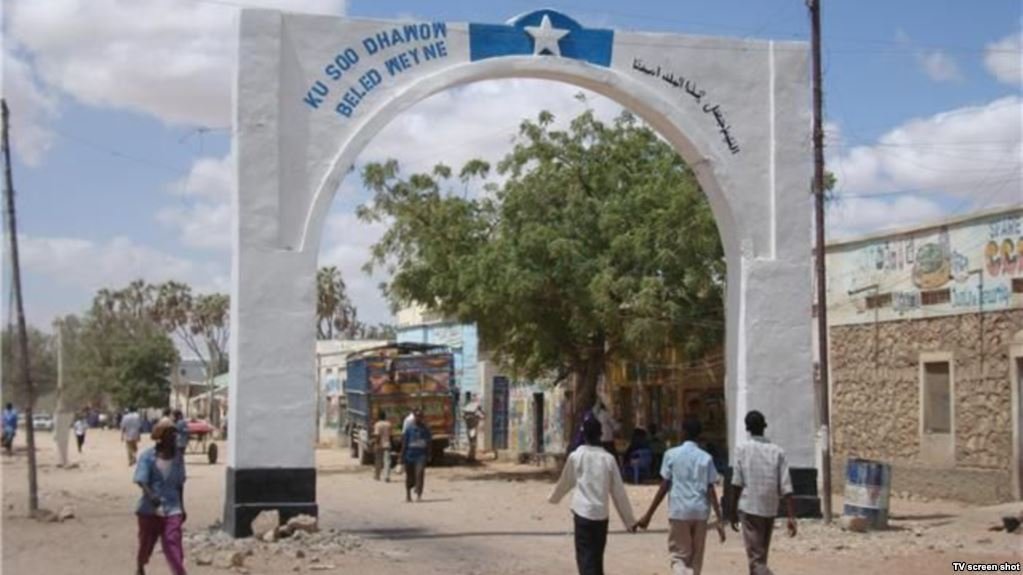
Beledweyne has emerged as a major centre of political mobilisation, with community elders and politicians increasingly taking public positions on the future of the state.
Ibrahim’s intervention adds to a growing list of voices calling for changes in Hirshabelle’s political leadership. However, it remains unclear whether his position represents a broader consensus among Gaaljecel elders or the wider community.
The debate also comes amid broader disagreements over Somalia’s federal political system and the role of the central government in state-level electoral processes.
Political negotiations are expected to continue as stakeholders seek to determine the framework for the next Hirshabelle leadership contest.
The opposition to another term for Gudlawe illustrates the growing political competition surrounding Hirshabelle’s future, but the final outcome will depend on negotiations among political leaders, community representatives and other stakeholders involved in the electoral process.