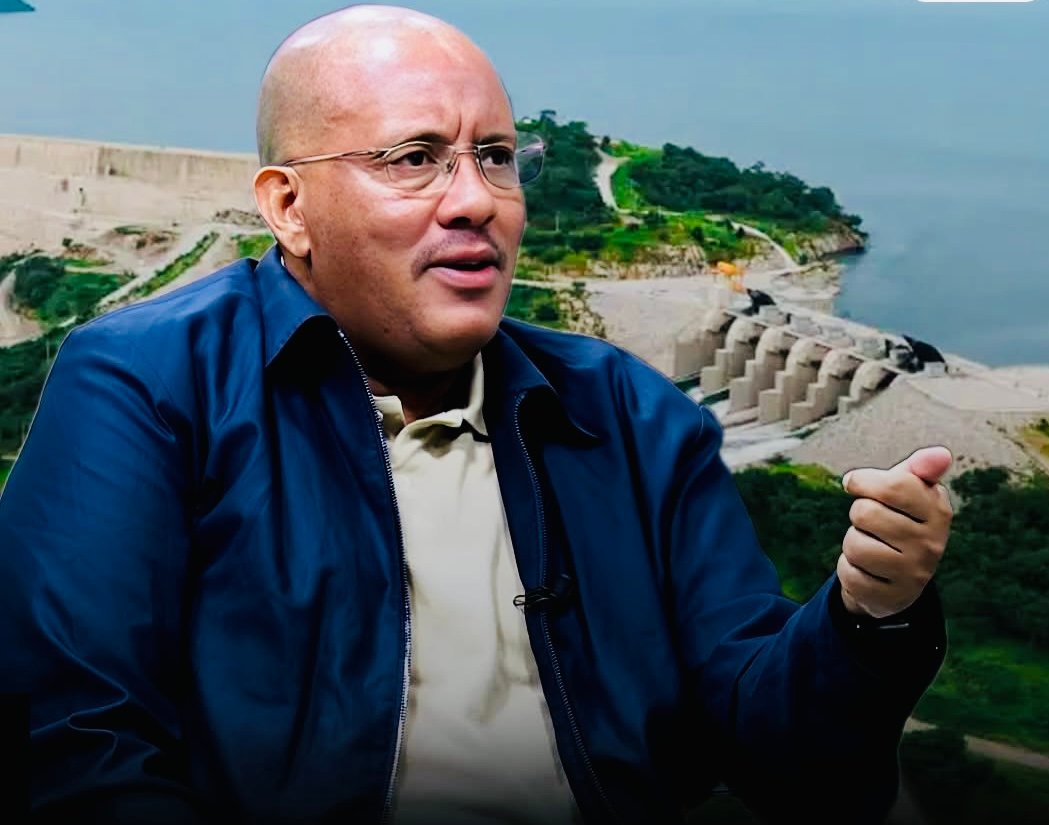
ADDIS ABABA — Ethiopian Minister and Adviser to the Prime Minister on East African Affairs, Getachew Reda, has sharply criticised Egypt’s approach to the Nile dispute, accusing Cairo of relying on what he described as outdated claims of historical rights while failing to address its own water-management challenges.
In an interview with Pulse of Africa, Getachew argued that the future of Nile cooperation should be guided by science, geography and the shared interests of the countries that depend on the river, rather than historical and political narratives.
He challenged Egypt’s continued emphasis on what it calls “historic rights” over Nile waters, arguing that changing regional realities require a more cooperative approach among the Nile Basin countries.
Getachew also criticised Egypt’s water-use practices, arguing that significant amounts of water are wasted through inefficient management. He questioned whether Egypt’s current approach to water resources is sustainable given the growing population and increasing pressure on water supplies.
Dispute Over the Nile
The Nile dispute has remained a major source of tension between Ethiopia and Egypt, particularly over the Grand Ethiopian Renaissance Dam (GERD) on the Blue Nile, known in Ethiopia as the Abay.
Egypt has repeatedly raised concerns about the potential impact of the dam on its water supplies, while Ethiopia maintains that the project is primarily intended to generate electricity and support economic development without significantly harming downstream countries.
Getachew rejected the portrayal of the dispute as an existential threat to Egypt, arguing that the issue has been heavily securitised in an effort to protect what he characterised as a longstanding monopoly over Nile water resources.
He called for the countries sharing the Nile Basin to move toward a framework based on cooperation, scientific evidence and equitable utilisation of shared water resources.
Accusations Over Regional Politics
The Ethiopian official also criticised Egypt’s broader engagement in the Horn of Africa, alleging that Cairo’s regional policies have contributed to political instability in both Ethiopia and Sudan.
Those accusations are part of a wider geopolitical dispute in the region and remain contested. Egypt has consistently defended its regional policies and has rejected allegations that it seeks to destabilise neighbouring countries.
The comments come as tensions surrounding the Nile continue to intersect with wider political and security developments in the Horn of Africa.
For Ethiopia, the GERD remains a central component of its plans to expand electricity generation and economic development. Egypt, meanwhile, regards the Nile as a critical national resource and has repeatedly called for arrangements that protect its water interests.
Getachew’s latest remarks underline Ethiopia’s continued rejection of Egypt’s historical-rights argument and its push for a new approach to Nile governance based on what Addis Ababa describes as equitable and sustainable use of the river.
The dispute remains one of Africa’s most consequential transboundary water issues, involving Ethiopia, Egypt and Sudan and carrying implications for regional cooperation, development and security.