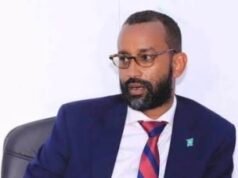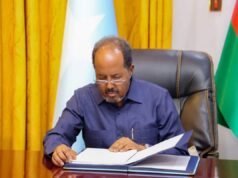
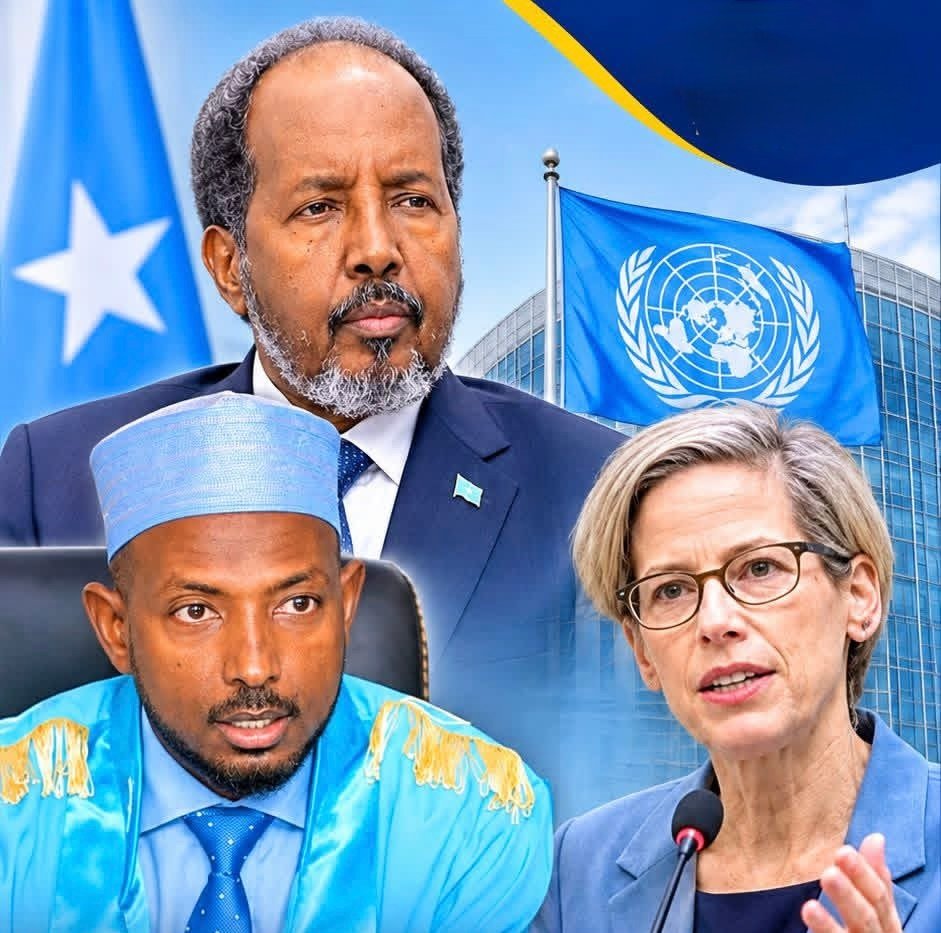
MOGADISHU — The United Nations has strongly criticised the removal of Somalia’s former Chief Justice, Baashe Yusuf Ahmed, calling for his immediate reinstatement and warning that alleged government interference in the judiciary threatens the country’s constitutional order, judicial independence and the rule of law.
The UN intervention has intensified international scrutiny of President Hassan Sheikh Mohamud’s administration amid an escalating institutional dispute between Villa Somalia and the Supreme Court.
The controversy centres on the circumstances surrounding Baashe Yusuf Ahmed’s removal on November 4, 2026, reportedly just hours before the Supreme Court was scheduled to hear a politically sensitive constitutional case concerning the terms of office of the President and Parliament.
The timing of the dismissal has raised serious questions about the relationship between the executive and judicial branches, particularly given the importance of the constitutional proceedings that were expected to take place.
Supreme Court Challenges Presidential Decision
Following the president’s decision, the Supreme Court reportedly declared the dismissal unlawful and without legal effect, challenging the constitutional and legal basis of the presidential action.
Despite the court’s position, President Hassan Sheikh proceeded with the appointment of Ibrahim Idle Suleiman as the new Chief Justice. The newly appointed official was reportedly sworn into office two days after Baashe’s removal.
The competing decisions have created an unprecedented institutional confrontation over the authority to appoint and remove the country’s highest-ranking judicial official.
UN Experts Condemn Alleged Interference
United Nations human rights experts Margaret Satterthwaite and Ben Saul expressed serious concerns over the circumstances surrounding the dismissal.
According to the experts, the removal was carried out without following the legally required procedures, including a recommendation from the Judicial Service Commission and the necessary parliamentary approval.
They warned that bypassing these constitutional safeguards could seriously undermine the independence of Somalia’s judiciary and weaken the separation of powers.
The UN experts called on the Somali government to immediately reinstate Baashe Yusuf Ahmed and respect the constitutional independence of the Supreme Court.
Security Forces Deployed to Supreme Court
The United Nations also raised concerns over reports that hundreds of security personnel had been deployed to the Supreme Court premises in Mogadishu amid the escalating dispute.
The experts expressed further concern over reports that the personal security protection of seven judges had been withdrawn and that restrictions had been placed on their movements and ability to travel.
They called for the restoration of the judges’ security arrangements and the withdrawal of security personnel from the court premises.
The developments have raised broader concerns about whether judicial officials can independently perform their constitutional responsibilities without intimidation or political pressure.
Former Chief Justice Expresses Fears for His Safety
In an interview with Al Jazeera, former Chief Justice Baashe Yusuf Ahmed said he no longer felt safe in Mogadishu.
He reportedly described the security forces’ presence at the Supreme Court as a military-style operation, raising further questions about the safety and independence of judicial officials.
His comments have added another dimension to the growing controversy, as concerns over the security of judges and the independence of state institutions continue to attract international attention.
Somalia Faces Growing Constitutional Crisis
The dispute has developed into a wider constitutional confrontation over presidential authority, the independence of the judiciary and the limits of executive power.
Particular attention has focused on the timing of Baashe’s dismissal, which reportedly occurred shortly before the Supreme Court was expected to consider a politically significant constitutional dispute involving the President and Parliament.
Although the Presidency has reportedly defended its decision by citing complaints concerning the administration of justice, questions surrounding the legality of the removal procedures remain at the centre of the controversy.
The United Nations has warned that political interference in judicial affairs risks undermining public confidence in government institutions, weakening the rule of law and threatening Somalia’s political stability.
International Pressure Mounts on Hassan Sheikh Administration
The latest intervention by UN experts represents a significant escalation in international scrutiny of President Hassan Sheikh Mohamud’s government.
The demand for Baashe Yusuf Ahmed’s immediate reinstatement places the administration under pressure to demonstrate its commitment to constitutional procedures, judicial independence and the separation of powers.
The unfolding confrontation also raises broader questions about the future of Somalia’s judicial institutions and the ability of the country’s constitutional system to resolve disputes between branches of government.
The central question now is whether President Hassan Sheikh Mohamud’s administration will comply with the UN experts’ demands and respect the Supreme Court’s position, or whether the dispute will deepen into a more serious constitutional and political crisis.