MOGADISHU — Somalia is facing a critical political moment as senior military and intelligence officials have held discussions with opposition leaders amid escalating disagreements over the country’s electoral process, constitutional amendments and the future of its political leadership.
The development has raised important questions: Why are senior military commanders becoming involved in political discussions? Why is President Hassan Sheikh Mohamud seeking dialogue with the opposition while still in office? And what does this latest development reveal about the overall political and security situation in Somalia?
Military Leaders Step Into the Political Debate
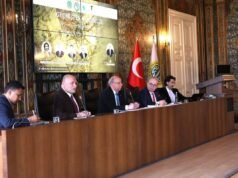
On November 10, senior officials from Somalia’s security institutions reportedly met with opposition figures at the residence of former Prime Minister Mohamed Hussein Roble in Mogadishu.
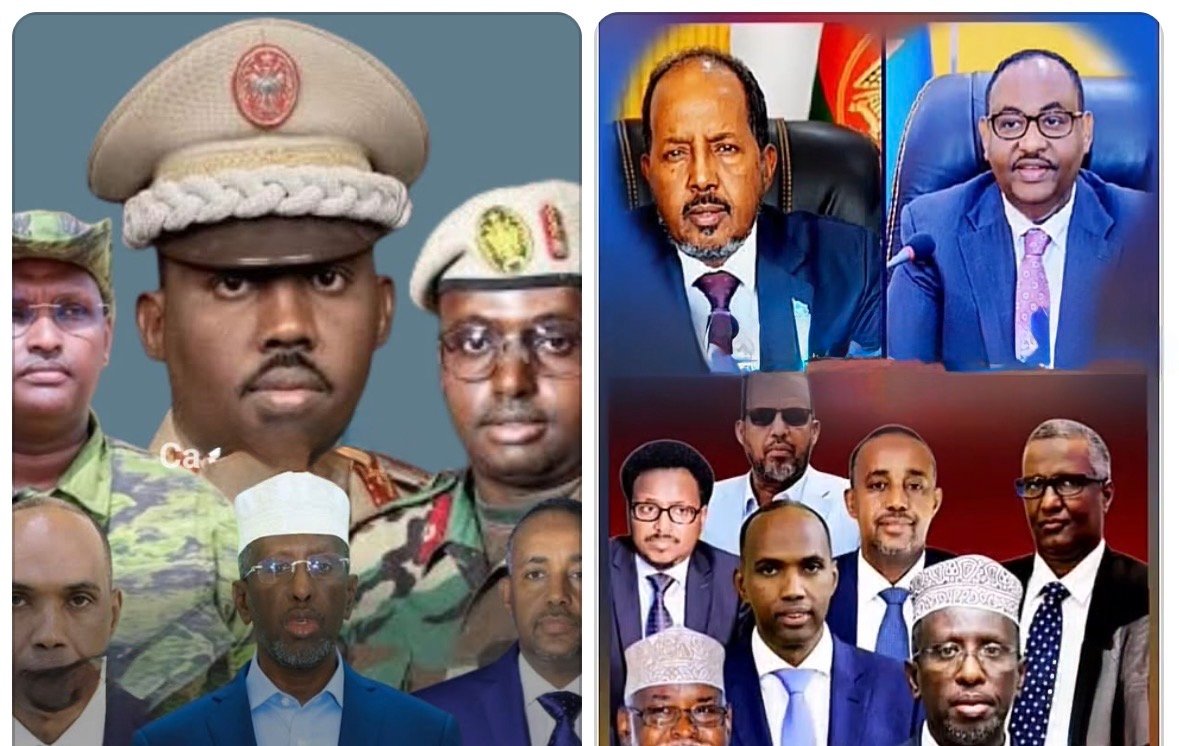
The meeting included National Intelligence and Security Agency (NISA) Director Mahad Mohamed Salad, Somali National Army Commander General Ibrahim Mohamed, Police Commissioner Brigadier General Asad Abdullahi Osman and Military Court Chairman Colonel Hassan Ali Nur Shuute.
The opposition delegation included former President Sharif Sheikh Ahmed, former Prime Ministers Hassan Ali Khaire and Mohamed Hussein Roble, and prominent opposition politician Abdirahman Abdishakur Warsame.
The discussions reportedly focused on national security, political disagreements, electoral arrangements and the need to prevent further instability.
One of the most significant understandings reportedly reached was that national security institutions should remain outside political disputes and that the military should not become an instrument of political competition.
This development raises a fundamental question about the relationship between Somalia’s political leadership and its security institutions.
Why do military and intelligence officials now find themselves holding discussions with political opposition figures about the country’s future?
Why Is President Hassan Sheikh Seeking Opposition Dialogue?
President Hassan Sheikh Mohamud has invited opposition leaders and other political stakeholders to participate in a national consultative conference scheduled for November 14–18 in Mogadishu.
The invitation comes at a time when relations between the federal government and opposition groups remain strained.
The central disagreement concerns constitutional amendments, the electoral system and the legitimacy of the political arrangements governing the next elections.
The government maintains that its proposed electoral framework is consistent with the revised constitutional arrangements. Opposition leaders, however, argue that major political decisions must be based on broad national consensus rather than unilateral government decisions.
The opposition has repeatedly called for negotiations that include all major political stakeholders, including federal member states and political leaders.
President Hassan Sheikh’s decision to seek dialogue therefore comes at a particularly sensitive moment.
Although the president remains in Villa Somalia, the growing disagreement with opposition groups presents a serious challenge to political stability and the government’s ability to secure broad acceptance of its electoral roadmap.
Is the Military Becoming a Political Mediator?
Perhaps the most important aspect of these developments is the increasingly visible role of senior security officials in facilitating communication between rival political camps.
In a democratic system, the military is expected to remain politically neutral and operate under civilian constitutional authority.
However, Somalia’s fragile political environment has created circumstances in which security institutions are increasingly being drawn into discussions that extend beyond traditional military responsibilities.
Their involvement could be interpreted as an attempt to prevent political disagreements from escalating into security confrontations.
At the same time, it raises concerns about institutional boundaries and the potential politicisation of the armed forces.
Somalia cannot afford a situation in which military institutions become divided along political lines or are perceived as supporting one political faction against another.
The country’s security institutions must remain national institutions, accountable to the law and responsible for protecting all Somali citizens.
What Is Really Happening in Somalia?
Somalia’s political crisis is not simply a disagreement between the president and opposition politicians.
It involves deeper questions about constitutional authority, federalism, political legitimacy, electoral arrangements and the distribution of power.
The country also continues to face serious security challenges, particularly the threat posed by Al-Shabaab and Islamic State-linked militants.
These challenges make political unity more important than ever.
The international community has also expressed concern about the consequences of prolonged political disagreements. The closure of the UN political mission in Somalia at the end of October has added further pressure on Somali institutions to manage political disputes through domestic dialogue.
Meanwhile, disagreements over the future of international security support and the role of regional administrations remain important factors in the country’s political calculations.
What Happens Next?
All eyes are now on the November 14–18 national consultative conference.
The central question is whether President Hassan Sheikh and opposition leaders can move beyond political accusations and reach an agreement on an electoral process acceptable to all major stakeholders.
Former President Mohamed Abdullahi Farmaajo’s Nabad iyo Nolol party has also clarified that Farmaajo’s recent meeting with military commanders was separate from the reported joint discussions involving other opposition leaders.
Farmaajo has reportedly emphasized that meaningful negotiations require political trust, inclusivity and respect for previous mediation efforts.
This suggests that significant differences remain even within the broader opposition camp.
Conclusion: Somalia Needs Political Consensus, Not Another Confrontation
Somalia is approaching a decisive political period.
The involvement of military commanders in discussions with opposition leaders demonstrates the seriousness of the current political situation and the importance of preventing disagreements from developing into a security crisis.
President Hassan Sheikh has an opportunity to use the upcoming conference to rebuild political trust and establish a credible national agreement.
However, dialogue alone will not be enough. The process must produce concrete commitments, mutual respect and an electoral framework accepted by the country’s major political stakeholders.
Ultimately, Somalia’s stability cannot depend on the decisions of one political leader or one political faction.
The country needs functioning institutions, a politically neutral military, credible elections and genuine national consensus.
The question is no longer simply who will control Somalia’s political future. The bigger question is whether Somali leaders can agree on a political system that prevents the country from returning to another cycle of instability.