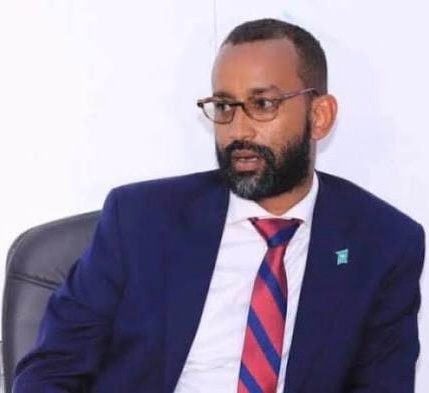
MOGADISHU — Somali Member of Parliament Abdi Malik Abdalla has delivered a sharp criticism of the political and electoral process in Hirshabelle State, questioning the legitimacy of the recent leadership selection and accusing political figures of turning the electoral process into an arrangement based on family connections and personal interests.
In his remarks, the lawmaker suggested that what was presented as an election in Hirshabelle did not reflect a genuine democratic process. Instead, he argued that political positions and electoral tickets were being distributed through personal relationships rather than through transparent competition.
MP Abdi Malik Abdalla specifically questioned the circumstances in which one individual allegedly handed an electoral ticket to his own cousin, despite the position reportedly being intended for another individual.
His criticism raises serious questions about the credibility of the electoral arrangements and whether political competition in Hirshabelle is being determined by established procedures or by decisions made behind closed doors.
“No Election Took Place in Hirshabelle”
The central message of the lawmaker’s statement was clear: Hirshabelle did not experience a genuine election.
His remarks reflect wider dissatisfaction among political stakeholders who have questioned the transparency, inclusiveness and legitimacy of the political process in the federal member state.
The controversy comes amid continued disagreements surrounding the leadership of Hirshabelle and the political circumstances surrounding President Ali Abdullahi Hussein Guudlawe’s re-election on October 24, 2026.
Family Connections or Democratic Competition?
One of the most significant aspects of MP Abdi Malik Abdalla’s criticism is his allegation that family relationships have influenced the distribution of political opportunities.
Such allegations touch on a wider problem in Somali politics, where political appointments, parliamentary seats and leadership positions are frequently criticized for being influenced by clan arrangements, personal relationships and political alliances.
If electoral tickets are allocated through family connections rather than transparent procedures, questions inevitably arise about equal political participation, accountability and the credibility of democratic institutions.
A Growing Political Crisis in Hirshabelle
The dispute also highlights the continuing political divisions between stakeholders in Hiiraan and Middle Shabelle.
Questions surrounding political representation, power-sharing and the relationship between traditional leaders and the state administration have continued to create tensions.
MP Abdi Malik Abdalla’s statement adds another voice to those challenging the credibility of Hirshabelle’s political process.
The Bigger Question
The issue goes beyond the selection of one individual or the distribution of one electoral ticket.
It raises a fundamental question about the future of governance in Hirshabelle: Can an administration claim democratic legitimacy when influential political figures openly question whether a genuine election took place?
For Hirshabelle to achieve lasting political stability, its leadership must address concerns over transparency, representation and political accountability.
An election should be decided by a legitimate process, not by family connections, personal interests or political arrangements made behind closed doors.