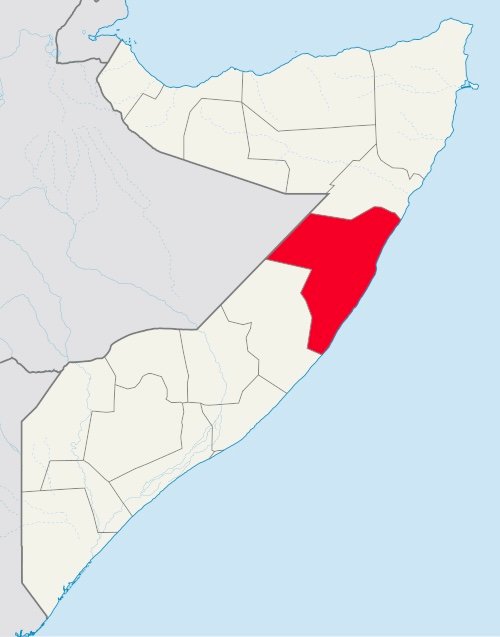
BELEDWEYNE — Growing concerns are emerging over what critics describe as a coordinated political and economic effort to marginalize Somalia’s Hiraan Region, deprive its people of their rightful political representation, and redirect development projects and public contracts to individuals and businesses from outside the region.
Critics argue that political interests operating from Jowhar and Dhusamareb, allegedly with influence from Villa Somalia, are pursuing a strategy that could further weaken Hiraan’s political influence, economic opportunities, and administrative authority.
The controversy has intensified amid growing frustration among Hiraan residents over what they consider unequal treatment in the distribution of government projects, public resources, and political positions.
Hiraan’s Economic and Political Importance Cannot Be Ignored
Hiraan is widely regarded by its political advocates as one of the most important regions in central Somalia, with significant population, commercial activity, agricultural resources, and strategic importance.
Despite these advantages, critics question why the region continues to face difficulties accessing development projects and economic opportunities that appear to be more readily available in other areas.
They point to development initiatives implemented in other regions, where local companies and individuals are reportedly given opportunities to execute projects in their own communities.
However, concerns have been raised that Hiraan is being treated differently, with contracts and development opportunities allegedly directed toward individuals and businesses that have no direct connection to the region.
This has raised serious questions about fairness, transparency, and equal distribution of national resources.
Development Projects and Road Construction Remain Major Concerns
One of the most frequently raised complaints concerns the slow progress of infrastructure development in Hiraan.
Residents and critics question why a region with such significant economic and population potential continues to struggle with basic infrastructure, including roads and essential public facilities.
They argue that development contracts intended to benefit Hiraan should create employment opportunities for local residents, strengthen local businesses, and contribute to the region’s economic development.
Instead, allegations that outside interests are benefiting from projects intended for Hiraan have intensified public dissatisfaction.
Ugaas Khalif Airport: A Major Symbol of Hiraan’s Development Challenges
The delayed development of Ugaas Khalif International Airport in Beledweyne has become another major source of frustration.
Critics have accused President Hassan Sheikh Mohamud’s administration of failing to give the airport project the attention and support it deserves.
The airport is considered a strategically important infrastructure project for Hiraan, particularly because of the region’s growing population, commercial activities, and need for reliable transportation.
Residents have complained that when heavy rains affect air travel in Beledweyne, passengers may be forced to use alternative airports, including Guriceel, creating additional difficulties and expenses.
For a region with a population estimated in the millions, the continued challenges surrounding its main airport have become a symbol of what many residents perceive as years of political neglect.
Ugaas Yusuf Ugaas Hassan Takes a Firm Position
Amid these growing grievances, traditional leader Ugaas Yusuf Ugaas Hassan has emerged as an important figure in the opposition to what his supporters describe as political interference and repeated attempts to undermine Hiraan’s rights.
According to accounts circulating within the community, the Ugaas took a firm position against what he viewed as another political conspiracy targeting the region.
He subsequently called together members of the community, particularly the constituency and clan over which he exercises traditional leadership, to discuss the political situation and determine an appropriate response.
His position has been welcomed by supporters who believe Hiraan’s traditional leadership must play an active role in defending the community’s political representation, economic interests, and collective rights.
For many, the message is that decisions affecting Hiraan should not be imposed through political arrangements negotiated elsewhere without meaningful consultation with the people concerned.
Hirshabelle’s Political Crisis and Allegations of Family-Based Appointments
The political instability surrounding Hirshabelle State has further intensified these concerns.
As the administration has faced growing internal disagreements and political challenges, allegations have emerged regarding attempts by politically connected individuals to influence the emerging leadership arrangements.
According to claims discussed on Barrow Show, political efforts surrounding the appointment of Abdifatah Hassan Afrah as Hirshabelle’s deputy leader involved individuals with close family connections to those participating in the political process.
These allegations have raised further questions about transparency, political accountability, and whether appointments are being made in the public interest or according to personal and family relationships.
Critics argue that political positions should be determined through legitimate and transparent processes rather than private negotiations and family-based political arrangements.
Hiraan’s Message: Political Rights Cannot Be Negotiated Away
The growing political debate in Hiraan reflects a wider demand for fairness, accountability, and equal treatment within Somalia’s federal system.
The region’s advocates insist that Hiraan is not demanding privileges beyond its constitutional and political rights. Rather, they argue that its people deserve fair representation, equitable development funding, transparent public contracts, and meaningful participation in decisions affecting their future.
They also warn that political arrangements designed to benefit particular individuals, families, or regional interests at the expense of other communities risk deepening divisions and undermining national unity.
The position increasingly being expressed by Hiraan’s traditional leaders and political voices is that the region’s interests must be protected and that its people should not be excluded from decisions concerning their political and economic future.
The central message is clear: Hiraan deserves justice, equal opportunities, political representation, and development. Its resources and future should not become instruments of political bargaining or personal interests.
No region should be forced to surrender its rights simply because those controlling political power have different interests. Hiraan’s people deserve a fair place in Somalia’s political and economic future.