Calls Grow in Somaliland for a Review of Relations with Djibouti and Greater Scrutiny of Officials Allegedly Holding Djiboutian Citizenship
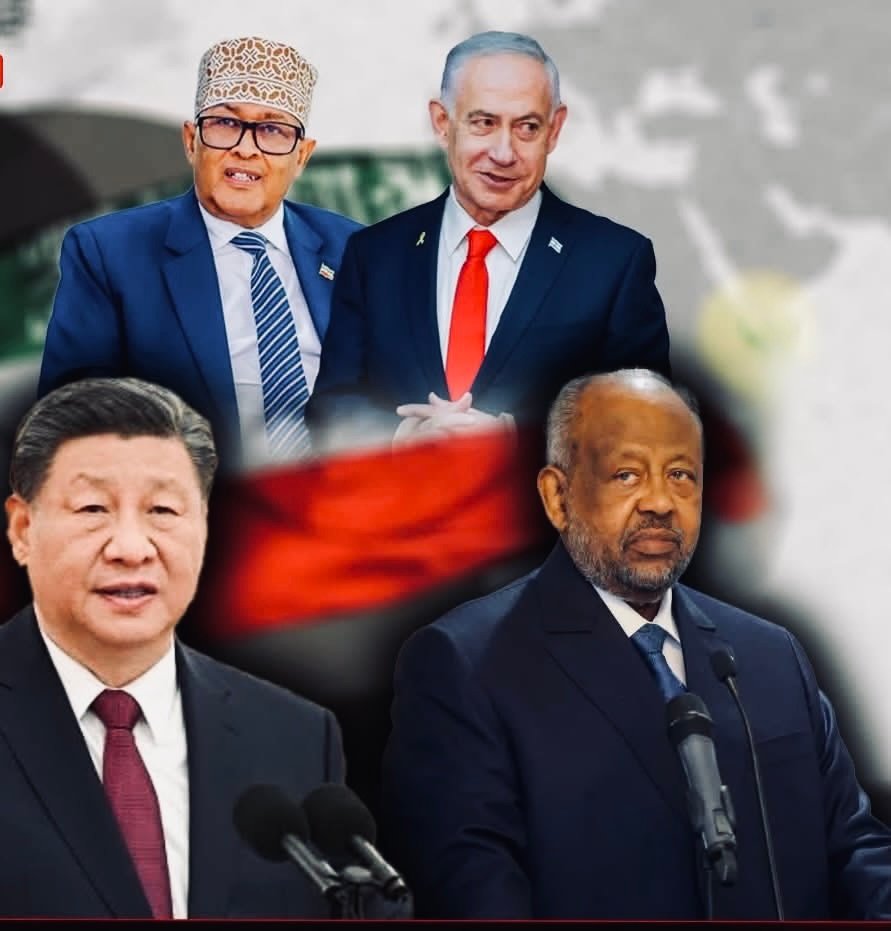
HARGEISA — Political tensions surrounding Somaliland’s international recognition have intensified following a joint diplomatic position announced by China and Djibouti opposing international recognition of Somaliland as an independent state.
According to a joint communiqué issued on October 22, 2026, China and Djibouti reaffirmed their support for Somalia’s sovereignty and territorial integrity and rejected attempts to secure diplomatic recognition for Somaliland. The two countries also described Somaliland as an inseparable part of the Federal Republic of Somalia.
The statement has generated renewed political debate in Somaliland, with some voices questioning Djibouti’s diplomatic position and calling for a reassessment of bilateral relations.
Calls to Reconsider Relations with Djibouti
Following the announcement, critics have argued that Djibouti’s position represents a diplomatic setback for Somaliland’s recognition campaign. Some have gone further, calling for Djibouti to be regarded as an unfriendly state because of its opposition to Somaliland’s international ambitions.
There are also calls for Somaliland’s authorities to review diplomatic and political engagement with individuals accused of supporting Djibouti’s position while publicly advocating political cooperation with its leadership.
However, such proposals have raised broader questions about freedom of expression, diplomatic relations and the distinction between political disagreement and disloyalty.
Questions Raised Over Government Officials
The debate has also extended to certain Somaliland government officials and political figures.
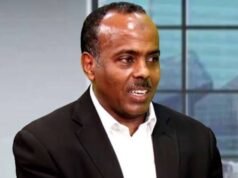
Among those mentioned is Information Minister Barkhad Jama Batuun. Critics have raised questions about his alleged Djiboutian citizenship and his political and administrative decisions, including the reported suspension of the national commentary programme.
Some critics are demanding greater transparency regarding the circumstances surrounding the programme’s suspension and whether political considerations played a role.
Another individual mentioned in the debate is Mohamed Abib, who has reportedly faced criticism over statements perceived by his opponents as supportive of Somaliland President Ismail Omar Guelleh’s political position.
Claims concerning the citizenship status of these individuals have not been independently verified.
Calls for a Legal Review of Dual Citizenship
Some political voices are now calling for Somaliland to introduce or enforce legislation requiring greater transparency from public officials who hold foreign citizenship.
They argue that individuals occupying sensitive government positions should disclose any additional nationality and clarify potential conflicts of interest, particularly where foreign governments have political positions that conflict with Somaliland’s diplomatic objectives.
Proponents of this position are also demanding a review of government appointments and greater accountability in public institutions.
Any such measures, however, would need to follow established legal procedures, respect constitutional rights and avoid discrimination based solely on nationality.
A Wider Diplomatic Challenge for Somaliland
The controversy comes at a sensitive time for Somaliland’s international recognition campaign. The diplomatic positions of China and Djibouti demonstrate the continuing challenges Somaliland faces in securing broader international support.
For Somaliland’s leadership, the latest developments raise important questions about how to strengthen diplomatic engagement, protect national interests and maintain constructive relations with neighbouring countries.
The government is also facing growing expectations to communicate its foreign policy clearly and address public concerns about the conduct and accountability of senior officials.
The central question now is whether Somaliland’s leadership will respond to the latest diplomatic developments through a comprehensive foreign policy review and stronger institutional accountability.