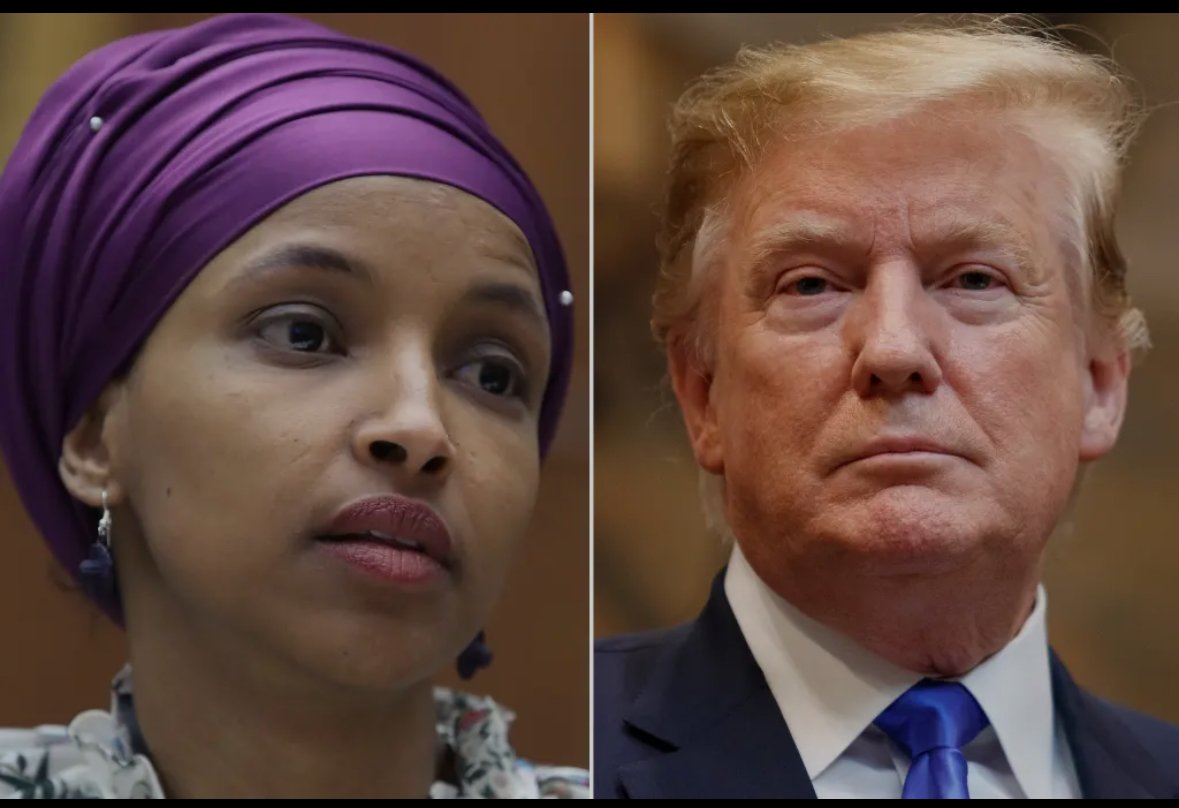
WASHINGTON, D.C. (HAN) — Former U.S. President Donald Trump has once again ignited controversy after making inflammatory remarks about Somali people and U.S. Congresswoman Ilhan Omar, a Somali-American lawmaker representing Minnesota.

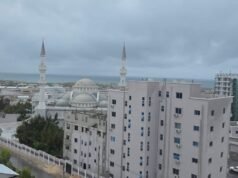
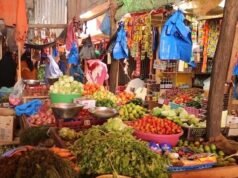
In a post on his social media platform, Truth Social, Trump described Rep. Omar as “a girl from a poor, war-torn country trying to teach America how to govern.” He went on to portray Somalia as a nation plagued by “a weak central government, chronic poverty, famine, rising terrorism, piracy, decades of civil war, corruption, and widespread violence.” Trump further claimed that “70 percent of the Somali population lives in extreme poverty and faces insecurity and severe food shortages.”
The former president also repeated a long-debunked claim accusing Omar of marrying her brother in order to obtain U.S. citizenship, and accused her of attempting to impose her political views on the United States.
Trump’s comments were widely condemned by political analysts and rights advocates, who said the remarks reinforced his reputation for stoking ethnic and racial divisions for political gain. The latest episode comes amid renewed debates about the role of immigrant communities in American politics and Trump’s continued influence within the Republican Party.
Rep. Ilhan Omar has not yet issued a formal response, but in the past, she has strongly rejected similar attacks as racist and Islamophobic.
Critics argue that Trump’s rhetoric further undermines America’s global image and risks alienating immigrant communities at home. Many observers view this latest controversy as part of a broader pattern in which Trump uses inflammatory language to energize his political base.