
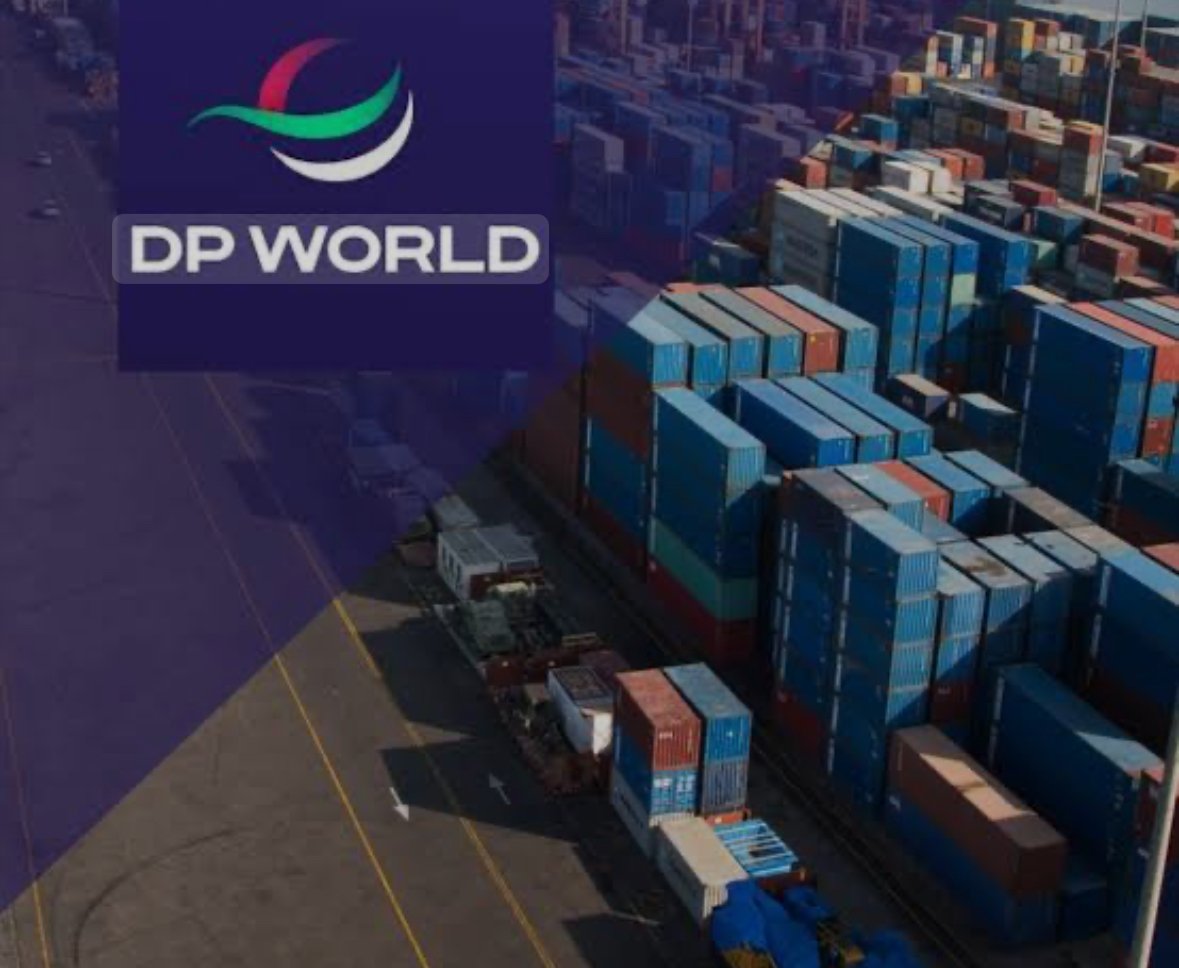
DJIBOUTI, (HAN) – Djibouti has won a legal victory in its long-running dispute with Dubai-based DP World over the Doraleh Container Terminal (DCT). The London Court of International Arbitration (LCIA) ruled in favor of Djibouti, affirming that the government acted within its rights when it terminated the 2018 concession agreement following persistent disputes over port management.
The ruling strengthens Djibouti’s sovereignty over its strategic assets and underscores its determination to reject contracts seen as restrictive to national development.
For years, DP World pursued dominance over East African ports as part of a strategy to protect Dubai’s Jebel Ali Port from regional competition. Djibouti argued that the deal undermined its economic independence and blocked opportunities for diversified international investment.
The decision may further strain Djibouti’s relations with the United Arab Emirates (UAE). Ties have been tense since Djibouti unilaterally ended DP World’s contract, triggering a series of lawsuits by the Emirati firm. Analysts suggest that while the UAE remains a key regional partner, Djibouti’s legal win sends a strong message that sovereignty will not be compromised, even under pressure from powerful Gulf states.
At the same time, Djibouti’s credibility with global investors is likely to rise. Officials say that freeing DCT from DP World’s control opens the door to partnerships with a broader range of international players. China has already invested heavily in Djibouti’s ports, railways, and free trade zones, placing the country at the heart of Beijing’s Belt and Road Initiative.
Experts note that Djibouti’s strategic location—commanding the Bab el-Mandeb Strait, one of the world’s busiest maritime chokepoints—makes it an ideal hub for international trade and logistics. With the dispute resolved, new interest from shipping companies, port operators, and logistics firms is expected.
Djibouti’s victory also resonates across Africa, where several states are reexamining contracts with multinational corporations. By standing firm against what it viewed as an unfair deal, Djibouti has set a precedent for other nations balancing foreign investment with national interests.
For Djibouti, this outcome is more than a courtroom win—it is a reaffirmation of sovereignty and a gateway to future economic opportunities.