BY HAN News Desk
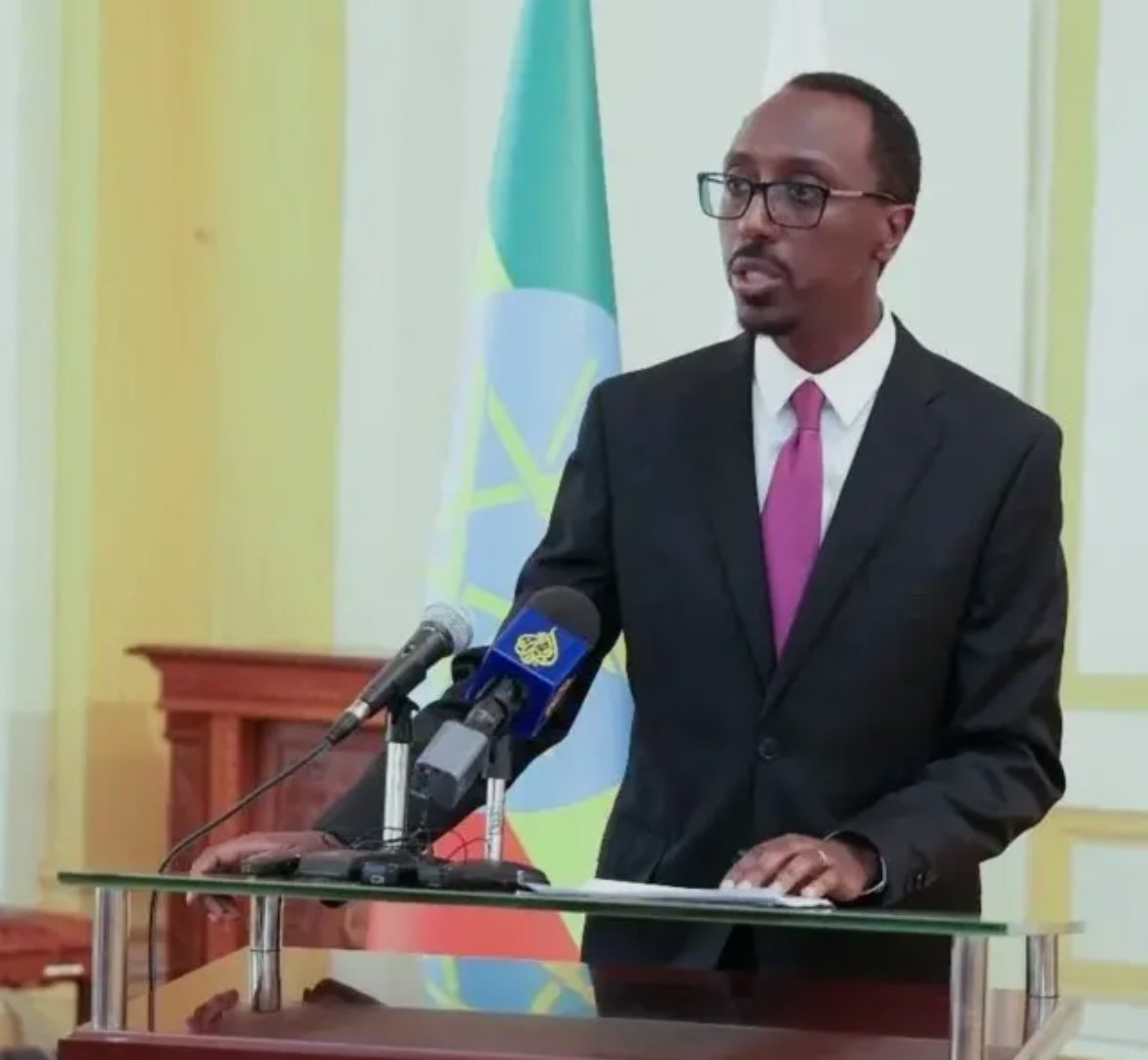
ADDIS ABABA — Ethiopia’s Foreign Minister Dr Gideon Timothy has warned that the federal government will no longer remain silent in the face of what he described as Eritrea’s ongoing “violation of Ethiopia’s territorial sovereignty.”
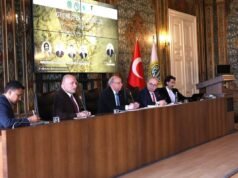
Speaking at a political forum organised by the Horn Review and Addis Ababa University on Monday, Dr Gideon said the port of Assab holds “immense strategic importance” for Ethiopia, noting that the country invested “significant resources” in the port both before and after Eritrea’s independence.
The minister addressed the latest developments in the Horn of Africa, in a discussion attended by diplomats and ambassadors from several countries.
Dr Gideon focused heavily on Ethiopia–Eritrea relations, describing the long-standing tensions between the two nations as “far wider than issues of ports and access to the sea.” The minister’s full remarks were published on the website of the Ministry of Foreign Affairs.
One of the main drivers of the dispute, he said, is Eritrea’s “interference in Ethiopia’s internal affairs.”
“The government of Eritrea feels it has the right to influence Ethiopia’s domestic politics,” he said, accusing Asmara’s leadership of “leaning towards using every possible means that runs counter to Ethiopia’s national interest.”
He further criticised Eritrea’s government for what he called its ambitions to become a state that “supports conflicts in the region in pursuit of its own objectives.”
Dr Gideon also referenced what he described as “Isaias’s policy,” which he said is based on ensuring Eritrea’s survival through “instability, fragmentation and the lack of peace inside Ethiopia.”
He claimed Eritrean forces continue to control “several areas in northern Ethiopia,” including, he said, “territories that are part of Ethiopia’s sovereign land.”
The minister also accused Eritrea of “actively supporting armed groups inside Ethiopia” that oppose the federal government.
Despite these alleged provocations, Dr Gideon said Ethiopia has refrained from taking retaliatory measures.
“Even though Ethiopia is facing serious violations of its sovereignty, we have chosen not to respond militarily,” he said. “But this position — aimed at avoiding war — cannot continue indefinitely.”
On Ethiopia’s longstanding demand for reliable port access, the minister reiterated that securing a port is a matter of “life and death” for the country’s 130 million people.
He stressed that the port of Assab remains Ethiopia’s “top priority,” citing the large investments previously made in its infrastructure.
Ethiopia’s request for port access, he argued, is “fair and reasonable” given the country’s current economic challenges.
Dr Gideon said the tensions between Ethiopia and Eritrea can only be resolved through “regional economic integration,” insisting that port-related issues must be addressed within such a framework.
Asked what Ethiopia’s next steps would be if diplomatic efforts fail, the minister said the government remains committed to preventing another conflict in the region.
“Considering the fragile state of the entire Horn of Africa, another war would be a disaster,” he said, adding that Ethiopia has “refrained from retaliating” against Eritrea.
Dr Gideon confirmed that Ethiopia is “ready for dialogue” aimed at reshaping the future relationship between the two countries and urged the international community to put pressure on Eritrea to engage constructively.