By HAN News Desk
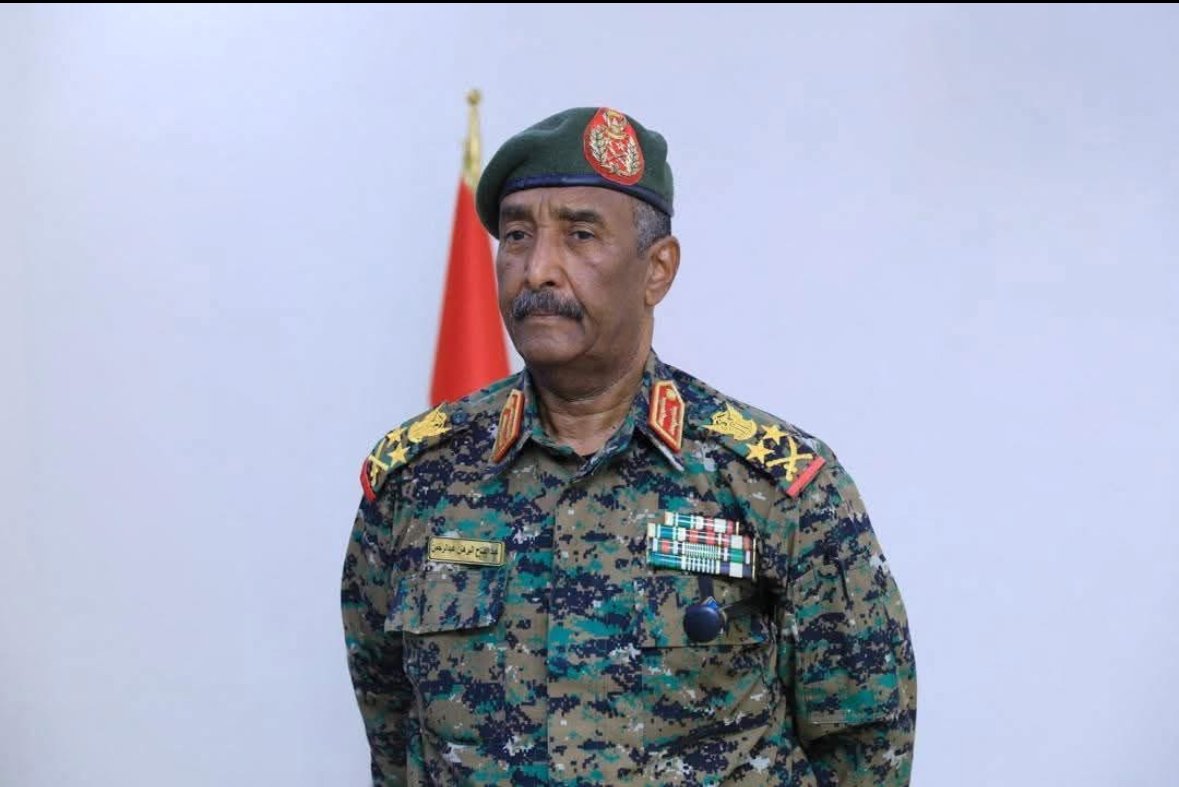
KHARTOUM – Sudan’s Sovereign Council Chairman and army chief, General Abdel Fattah al-Burhan, has rejected a ceasefire proposal backed by the United States aimed at ending the ongoing conflict between the Sudanese Armed Forces (SAF) and the paramilitary Rapid Support Forces (RSF).
According to Sudanese officials, the proposal was delivered through the United Arab Emirates (UAE), which has been acting as a key intermediary between Washington and the warring parties. The plan sought an immediate halt to hostilities, confidence-building measures, and a framework for political negotiations.
However, General al-Burhan sharply dismissed the initiative, describing it as “the worst proposal ever put forward.” He accused the plan of undermining Sudan’s national sovereignty and threatening the very existence of the country’s formal security institutions.
Al-Burhan said the proposal would effectively “dismantle the Sudanese Armed Forces and dissolve all security institutions,” while allowing the RSF to maintain control over the territories it currently occupies. Such conditions, he argued, reward what he described as the RSF’s “rebellion and atrocities” and legitimize their military gains on the ground.
The UAE’s role in facilitating the plan came through the U.S. Special Envoy for the Horn of Africa, who has been attempting to revive stalled diplomatic efforts to end the nearly two-year conflict. The war, which erupted in April 2023, has devastated large parts of Sudan and triggered one of the world’s worst humanitarian crises.
In response to the rejection, Emirati officials reportedly accused Sudan’s military leadership of receiving support from elements linked to the Muslim Brotherhood—an Islamist movement designated by the United States as a global terrorist organization in previous years. Sudanese military officials strongly denied the accusation, calling it an attempt to shift blame for the failure of peace diplomacy.
The conflict between the SAF and the RSF has fragmented the country, leading to mass displacement, widespread hunger, and severe insecurity across multiple regions. International mediators fear that the rejection of the latest ceasefire proposal will further delay prospects for a political settlement and prolong the suffering of millions of civilians.